Current Situation & Pricing Overview 2026 in Croatia
As Croatia fully embraces the Euro, the landscape of van transport and cargo delivery has evolved significantly. In 2026, tourists can expect to see a mix of stable pricing alongside inflationary pressures affecting the cost of services. The transition to the Euro has generally led to increased transparency in pricing, but visitors should remain vigilant about potential price hikes in tourist-heavy areas.
With the ongoing popularity of Croatia's coastal regions, especially during the summer months, demand for van transport services has surged. This demand can lead to higher prices, particularly in hotspots like Dubrovnik and Split. However, understanding the local market and planning ahead can help mitigate costs.
- Informative estimated average prices in Euros (€)
- Transparent low vs. high peak season price breakdown below

Comprehensive Price Breakdown & Comparison Table 2026
| Service | Low Season | High Season |
|---|---|---|
| Van Rental (Standard) | 50 € | 120 € |
| Cargo Delivery (Local) | 30 € | 80 € |
| Long-Distance Van Transport | 200 € | 500 € |
| Fuel Costs | 1.50 € | 2.00 € |
| Driver Hire | 15 € | 30 € |
| Insurance (Rental) | 10 € | 25 € |
Regional Price Variations (Islands vs Coastal vs Inland)
Prices for van transport and cargo delivery can vary significantly across different regions of Croatia. Coastal areas, particularly popular tourist destinations like Hvar and Korčula, often see higher prices due to increased demand. In contrast, inland areas may offer more competitive rates.
- Coastal Areas: Expect higher rental prices, especially in peak summer months.
- Islands: Additional ferry costs may apply for transport to islands like Hvar or Brač.
- Inland Regions: Generally more affordable options for van rentals and cargo services.
Insider Money-Saving Tips & Tourist Traps to Avoid
To make the most of your budget while exploring Croatia by road, consider the following tips:
- Local Lunch Specials: Look for 'Marenda' deals in local eateries for affordable meals.
- Grocery Shopping: Buy snacks and drinks at supermarkets rather than convenience stores to save money.
- Dynamic Currency Conversion: Avoid using dynamic currency conversion at ATMs; always choose to pay in local currency.
- Tipping Etiquette: Tipping is appreciated but not mandatory; rounding up the bill is common.
Payment Rules, Card Acceptance & Fiscal Receipts
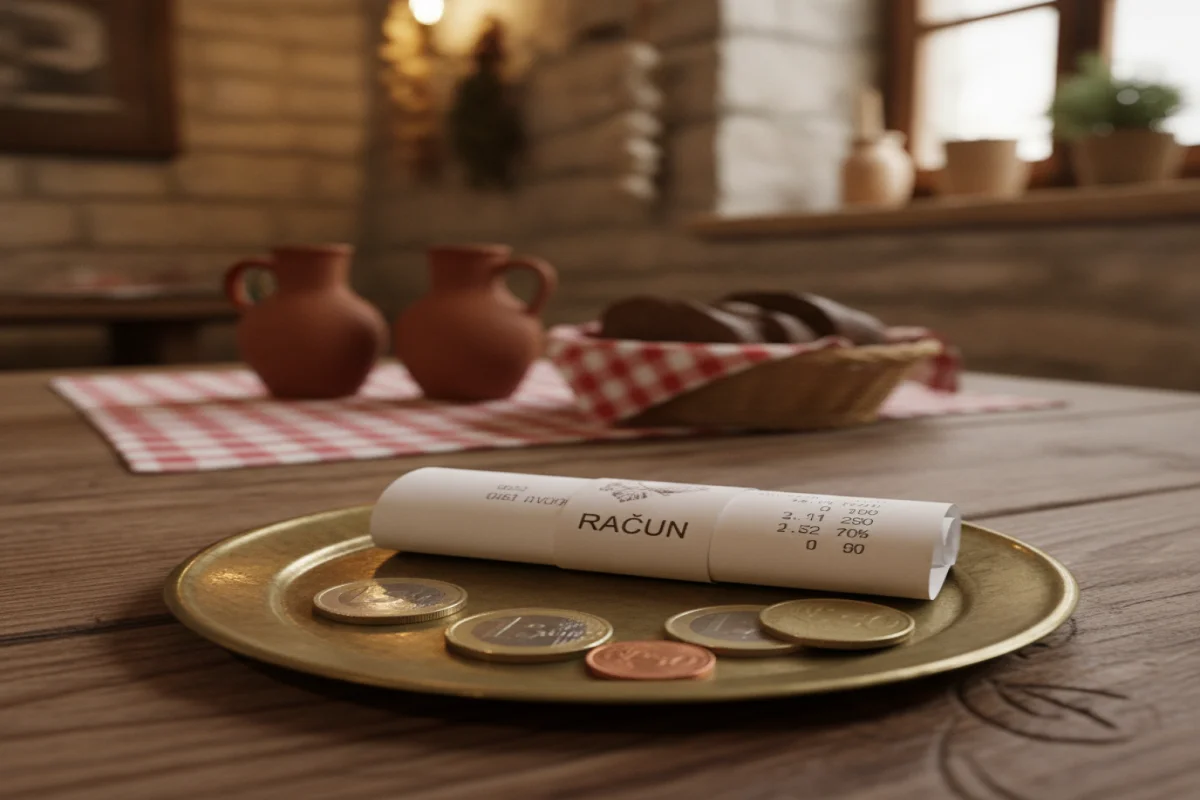
In Croatia, it's essential to understand the fiscal law ('Fiskalni račun'). When making a purchase, always ask for a fiscal receipt, as this is required by law and can be useful for warranty claims or disputes.
While credit and debit cards are widely accepted in urban areas and tourist spots, some smaller businesses may only accept cash. It's advisable to carry some cash for local markets or rural areas.