Current Situation & Pricing Overview 2026 in Croatia
Since the adoption of the Euro in 2023, Croatia has seen a shift in its pricing landscape. Inflation has affected various sectors, leading to increased costs in dining, transportation, and services. Tourists can expect to pay slightly more than in previous years, but the overall experience remains affordable compared to many Western European countries. Understanding the local tipping culture will help you navigate these changes and show appreciation for the services you receive.
- Informative estimated average prices in Euros (€)
- Transparent low vs. high peak season price breakdown below
Comprehensive Price Breakdown & Comparison Table 2026
| Service | Low Season Price (€) | High Season Price (€) |
|---|---|---|
| Restaurant Meal (Mid-range) | 15 € | 30 € |
| Taxi Fare (within city) | 5 € | 15 € |
| Hotel Housekeeping | 1 € | 3 € |
| Tour Guide Service | 10 € | 20 € |
| Coffee in Café | 1.50 € | 4 € |
| Beach Chair Rental | 5 € | 15 € |
Regional Price Variations (Islands vs Coastal vs Inland)
Prices can vary significantly across different regions of Croatia. Coastal areas and popular islands like Hvar and Korčula tend to be more expensive due to their tourist appeal. For instance, dining in Dubrovnik may cost more than in inland towns like Slavonski Brod. Here’s a brief overview of regional price variations:
- Coastal Cities (Dubrovnik, Split): Higher prices for meals, drinks, and services due to tourist demand.
- Islands (Hvar, Korčula): Premium prices for accommodations and dining, especially in peak season.
- Inland Areas (Zagreb, Slavonski Brod): Generally lower prices, offering great value for food and services.
Insider Money-Saving Tips & Tourist Traps to Avoid
To make the most of your budget while enjoying Croatia, consider these insider tips:
- Local Lunch Specials ('Marenda'): Many restaurants offer affordable lunch specials that provide great value.
- Grocery Shopping: Purchase snacks and drinks from local markets to save on food costs.
- Avoid Dynamic Currency Conversion: Always choose to pay in Euros to avoid unfavorable exchange rates.
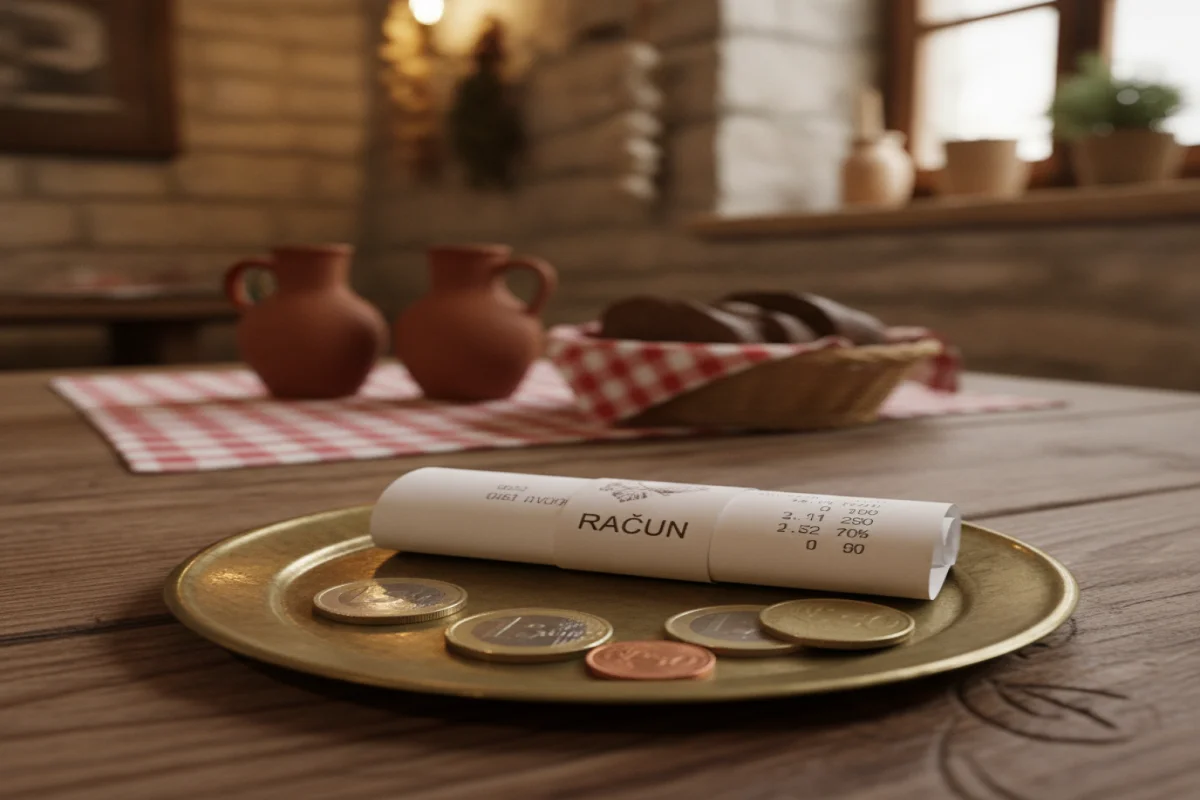
- Ask for Fiscal Receipts ('Fiskalni račun'): This is important for tax purposes and ensures you receive legitimate service.
Payment Rules, Card Acceptance & Fiscal Receipts
In Croatia, cash is still widely used, but credit and debit cards are accepted in most establishments, especially in tourist areas. However, it’s wise to carry some cash for smaller vendors and rural areas. Always ask for a fiscal receipt when making a purchase, as this is required by law and protects you as a consumer. This practice also ensures that the business operates legally and contributes to the economy.