Current Situation & Pricing Overview 2026 in Croatia
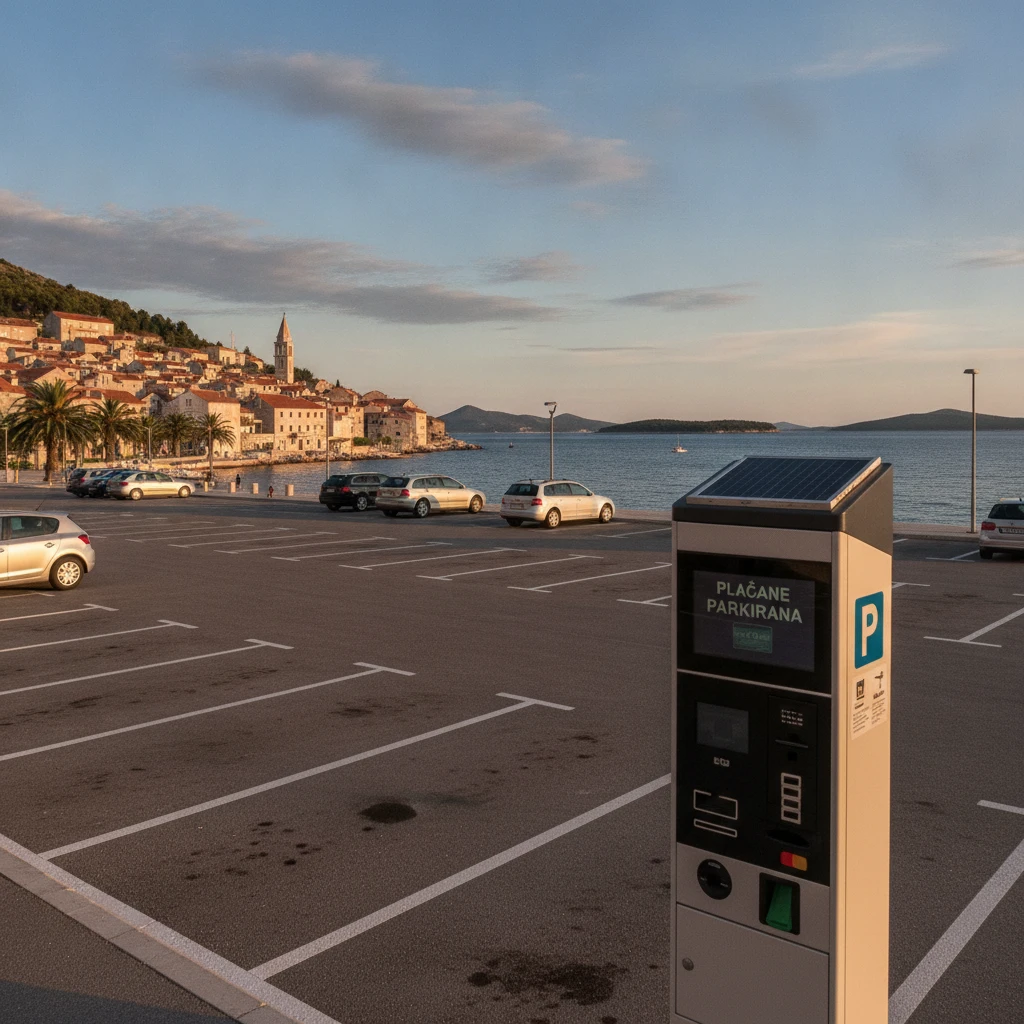
As of 2026, parking prices in Croatia have seen a notable adjustment following the adoption of the Euro and subsequent inflation. Travelers can expect to pay more than in previous years, particularly in tourist hotspots along the coast and on popular islands. The shift to the Euro has streamlined transactions for international visitors, but it is essential to be aware of the varying costs associated with parking in different regions.
- Informative estimated average prices in Euros (€)
- Transparent low vs. high peak season price breakdown below
Comprehensive Price Breakdown & Comparison Table 2026
| Service | Low Season | High Season |
|---|---|---|
| Hourly parking in city centers | 1 € | 3 € |
| Daily parking in city centers | 10 € | 25 € |
| Weekly parking pass | 50 € | 100 € |
| Parking at beaches | 5 € | 15 € |
| Long-term parking at airports | 30 € | 100 € |
| Private parking lots | 15 € | 30 € |
Regional Price Variations (Islands vs Coastal vs Inland)
Parking costs can vary significantly across Croatia's diverse regions. In popular coastal towns like Dubrovnik and Split, parking is generally more expensive due to high tourist demand. For instance, hourly rates in Dubrovnik can reach up to 3 € in peak season. In contrast, smaller towns or inland areas may offer more affordable options, with hourly rates often starting at 1 €.
Island destinations such as Hvar and Korčula also exhibit unique pricing structures, often charging higher rates during the summer months when tourist traffic peaks. It is advisable to research specific parking options in advance, especially if you plan to visit popular beaches or attractions.
Insider Money-Saving Tips & Tourist Traps to Avoid
- Look for local lunch specials: Many restaurants offer 'Marenda' deals, which include a meal and drink at a reduced price.
- Grocery shopping hacks: Purchase snacks and drinks from local supermarkets instead of tourist shops to save money.
- Avoid dynamic currency conversion: Always choose to pay in Euros to avoid unfavorable exchange rates at ATMs and card terminals.
- Tipping etiquette: While not mandatory, rounding up your bill or leaving small change is appreciated in restaurants and cafes.
Payment Rules, Card Acceptance & Fiscal Receipts
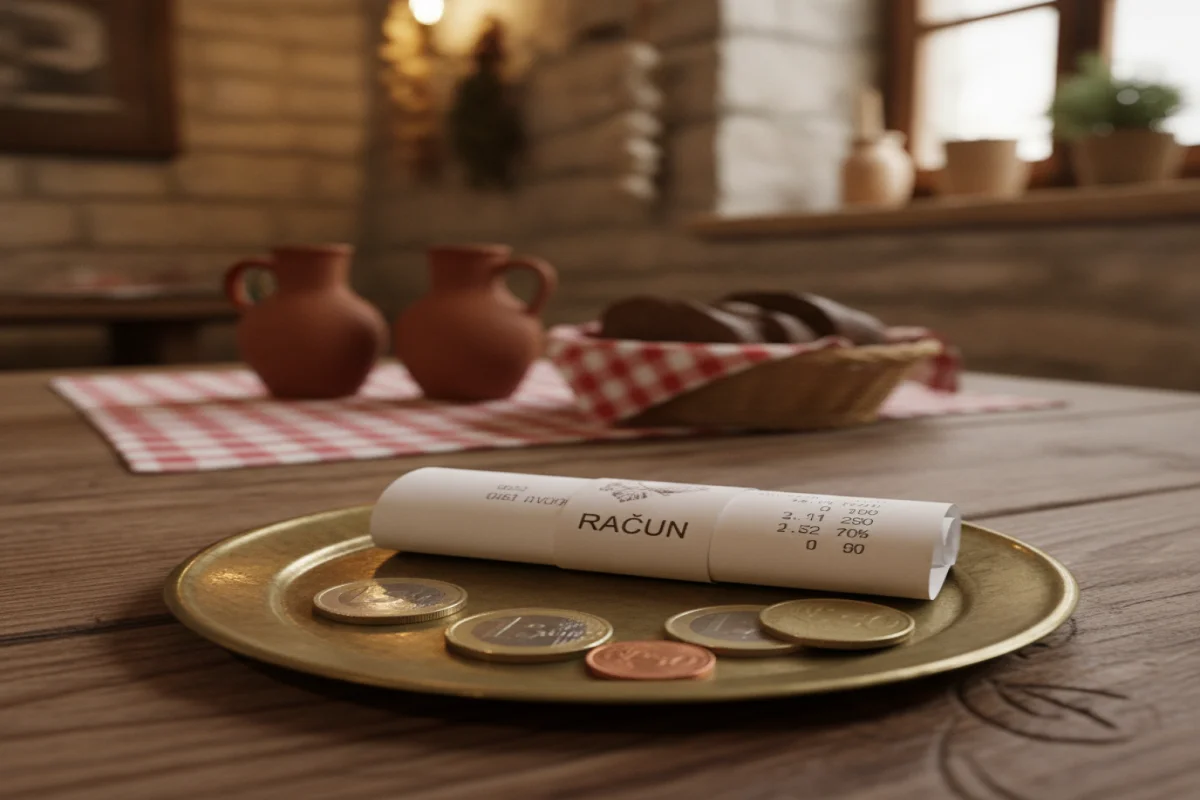
In Croatia, it is crucial to understand the fiscal law ('Fiskalni račun') which mandates that businesses provide a fiscal receipt for all transactions. This is not only a legal requirement but also a way to ensure that taxes are properly accounted for. Always ask for a receipt, especially when paying in cash.
While credit cards are widely accepted in urban areas and tourist destinations, some smaller establishments or rural locations may prefer cash. Therefore, it is advisable to carry a small amount of cash for convenience.