Current Situation & Pricing Overview 2026 in Croatia
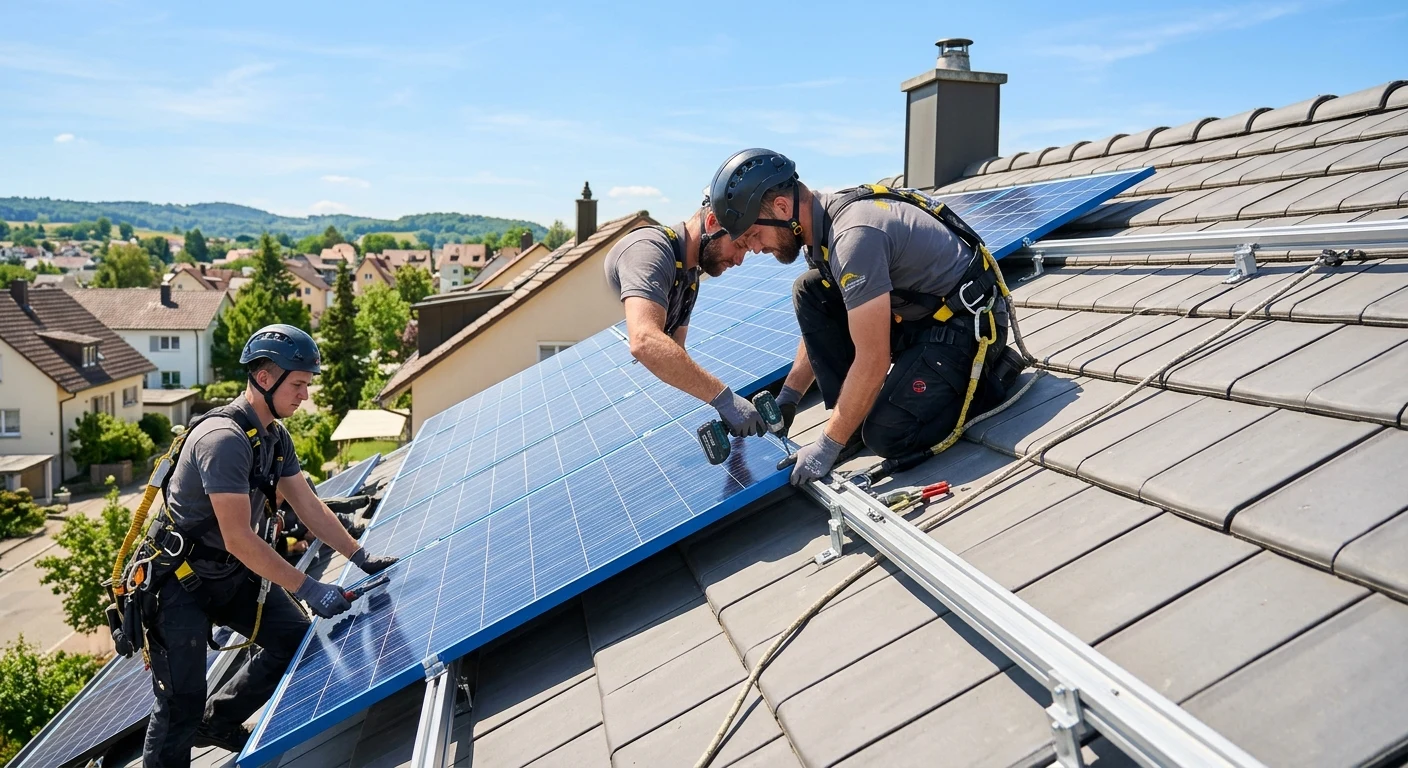
As of 2026, Croatia has seen a significant shift in energy consumption patterns, particularly in coastal areas where tourism and expat living are prevalent. The adoption of the Euro has led to a stabilization of prices, but inflation has also impacted the costs associated with solar panel installation. Visitors and residents can expect to invest between 1,200 € and 1,800 € per kW for installation, depending on the complexity of the system and the specific location.
- Informative estimated average prices in Euros (€)
- Transparent low vs. high peak season price breakdown below
Comprehensive Price Breakdown & Comparison Table 2026
| Service | Low Season Price (€) | High Season Price (€) |
|---|---|---|
| Solar Panel Installation (per kW) | 1,200 € | 1,800 € |
| Inverter Installation | 800 € | 1,200 € |
| Battery Storage System | 3,000 € | 6,000 € |
| Maintenance Service (Annual) | 150 € | 300 € |
| Solar Panel Cleaning | 50 € | 100 € |
| Consultation Fee | 100 € | 200 € |
Regional Price Variations (Islands vs Coastal vs Inland)
The cost of solar panel installation can vary significantly across different regions of Croatia. Coastal areas such as Dubrovnik and Split tend to have higher installation costs due to increased demand and logistical challenges. Conversely, inland areas may offer lower prices due to reduced demand. Popular islands like Hvar and Korčula also see a premium on installation costs, particularly during the tourist season when demand peaks.
Insider Money-Saving Tips & Tourist Traps to Avoid
- Look for local lunch specials known as 'Marenda' to save on dining costs while exploring coastal towns.
- Consider grocery shopping at local markets instead of tourist shops to find better prices on food and essentials.
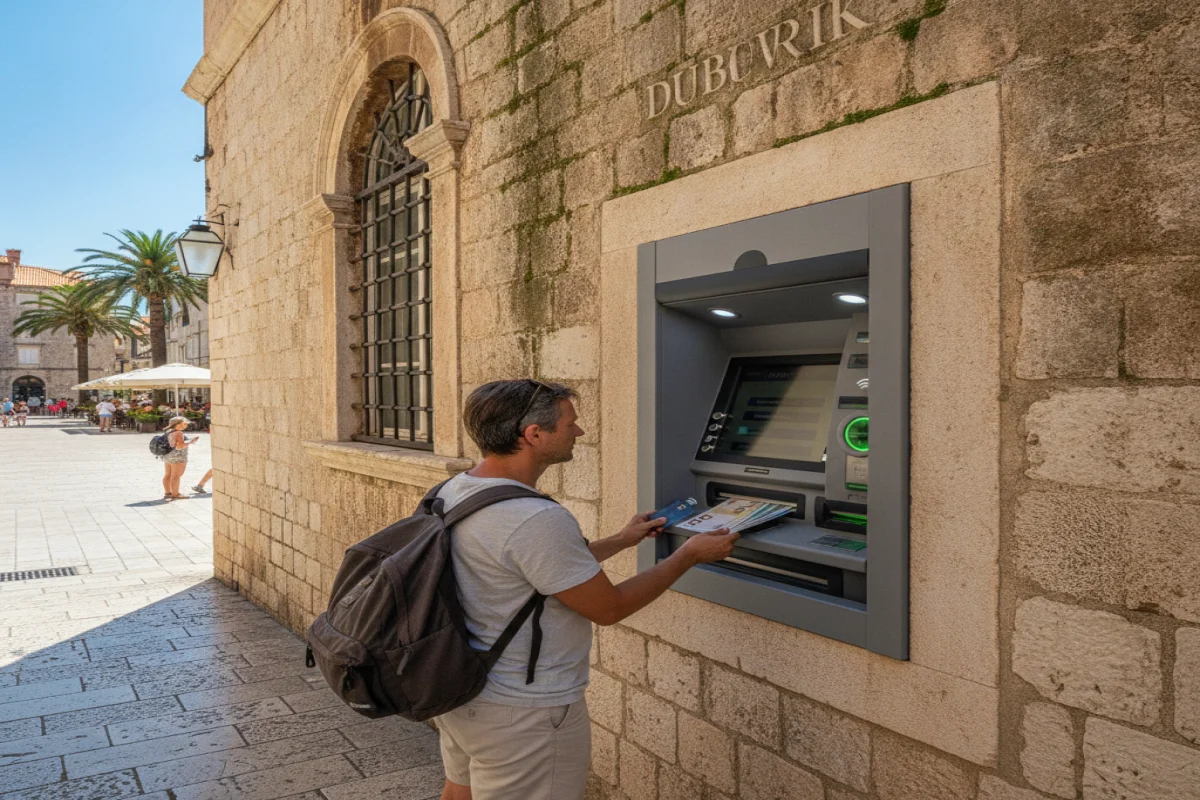
- Avoid dynamic currency conversion at ATMs; choose to be charged in local currency to save on conversion fees.
- Tip 10% in restaurants, but check if service is included in the bill to avoid double tipping.
Payment Rules, Card Acceptance & Fiscal Receipts
In Croatia, it is essential to request a 'Fiskalni račun' (fiscal receipt) for any service or purchase, as this is a legal requirement for tax purposes. Most establishments accept credit and debit cards, but it’s wise to carry some cash, especially in rural areas or smaller islands where card acceptance may be limited. Always confirm payment methods before service to avoid any surprises.