Current Situation & Pricing Overview 2026 in Croatia
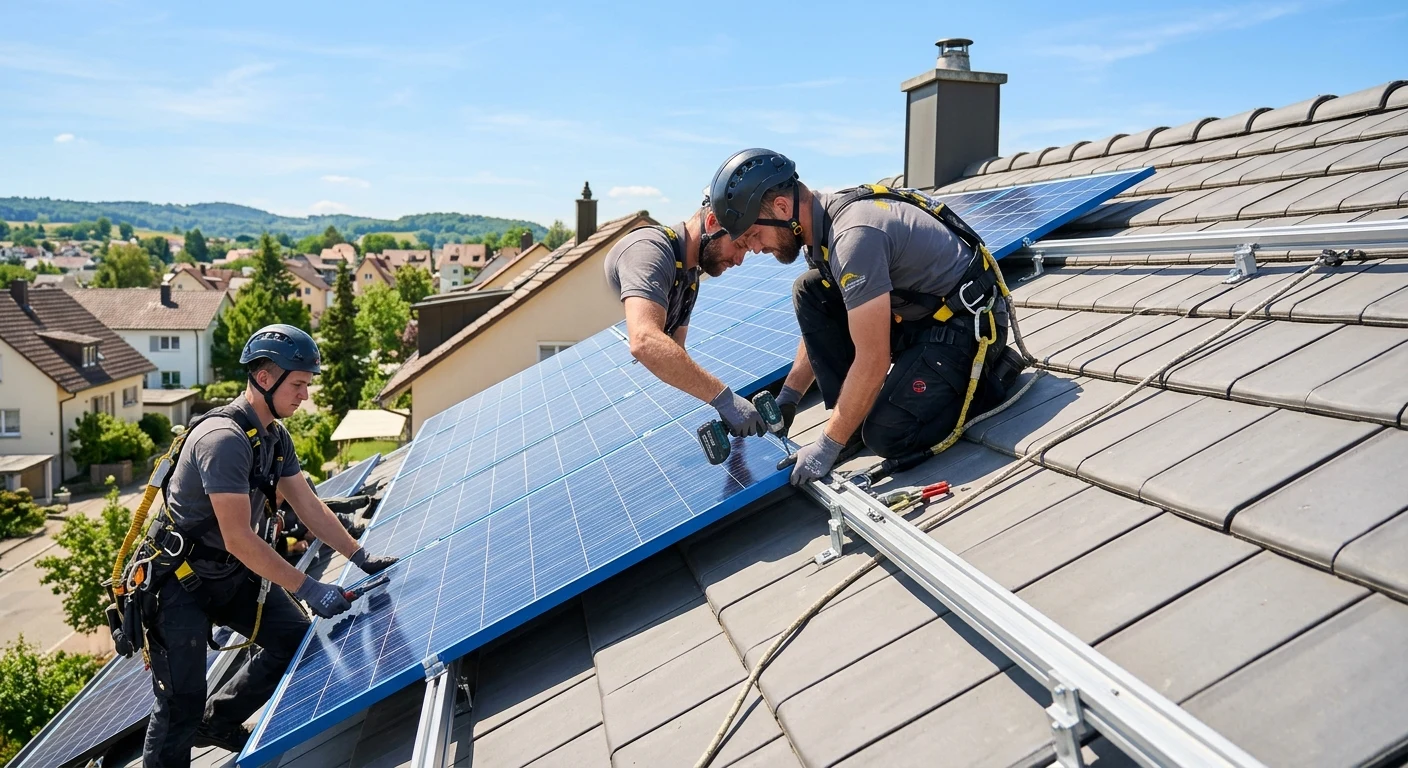
As Croatia continues to transition towards renewable energy, the solar panel market has seen significant growth. Following the adoption of the Euro, prices have stabilized, but inflation has impacted installation costs. In 2026, tourists and expats looking to install solar panels can expect to pay between 1,200 € and 1,800 € per kW, depending on the system's complexity and the type of panels chosen. The coastal regions, known for their sunny weather, are particularly attractive for solar energy investments.
- Informative estimated average prices in Euros (€)
- Transparent low vs. high peak season price breakdown below
Comprehensive Price Breakdown & Comparison Table 2026
| Service | Low Season (€) | High Season (€) | Notes |
|---|---|---|---|
| Solar Panel Installation (per kW) | 1,200 € | 1,800 € | Varies by installer and panel type |
| Inverter Installation | 800 € | 1,200 € | Essential for converting solar energy |
| Battery Storage System | 5,000 € | 10,000 € | For off-grid solutions |
| Maintenance Service (annual) | 150 € | 300 € | Regular inspections and cleaning |
| Grid Connection Fee | 200 € | 500 € | One-time fee for connecting to the grid |
| Solar Panel Cleaning | 50 € | 100 € | Recommended every 6 months |
Regional Price Variations (Islands vs Coastal vs Inland)
In Croatia, solar panel installation costs can vary significantly based on location. Coastal areas, particularly popular tourist destinations like Dubrovnik and Split, tend to have higher installation prices due to increased demand and the cost of living. Conversely, inland regions may offer more competitive pricing due to lower demand and operational costs.
- Islands (e.g., Hvar, Korčula): Higher costs due to logistics and limited service providers.
- Coastal Towns (e.g., Dubrovnik, Split): Premium pricing reflecting high demand and tourist influx.
- Inland Areas: More affordable options available, especially in less touristy regions.
Insider Money-Saving Tips & Tourist Traps to Avoid
- Local Lunch Specials ('Marenda'): Enjoy affordable meals at local eateries, often featuring fresh seafood and traditional dishes.
- Grocery Shopping Hacks: Purchase local produce and goods at markets to save on meals.
- Avoid Dynamic Currency Conversion: Always choose to pay in Euros to avoid unfavorable exchange rates.
- Tipping Etiquette: A small tip (around 10%) is appreciated but not mandatory in restaurants.
Payment Rules, Card Acceptance & Fiscal Receipts
In Croatia, it's essential to understand the fiscal laws regarding payments. Most establishments accept credit and debit cards, but cash is still widely used, especially in rural areas. Always ask for a fiscal receipt ('Fiskalni račun') when making a purchase, as this is required by law and can be useful for warranty claims or disputes.
Additionally, be aware that some service providers may charge extra fees for card payments, so it's wise to inquire beforehand. Keeping a mix of cash and cards will ensure flexibility during your travels.