Current Situation & Pricing Overview 2026 in Croatia
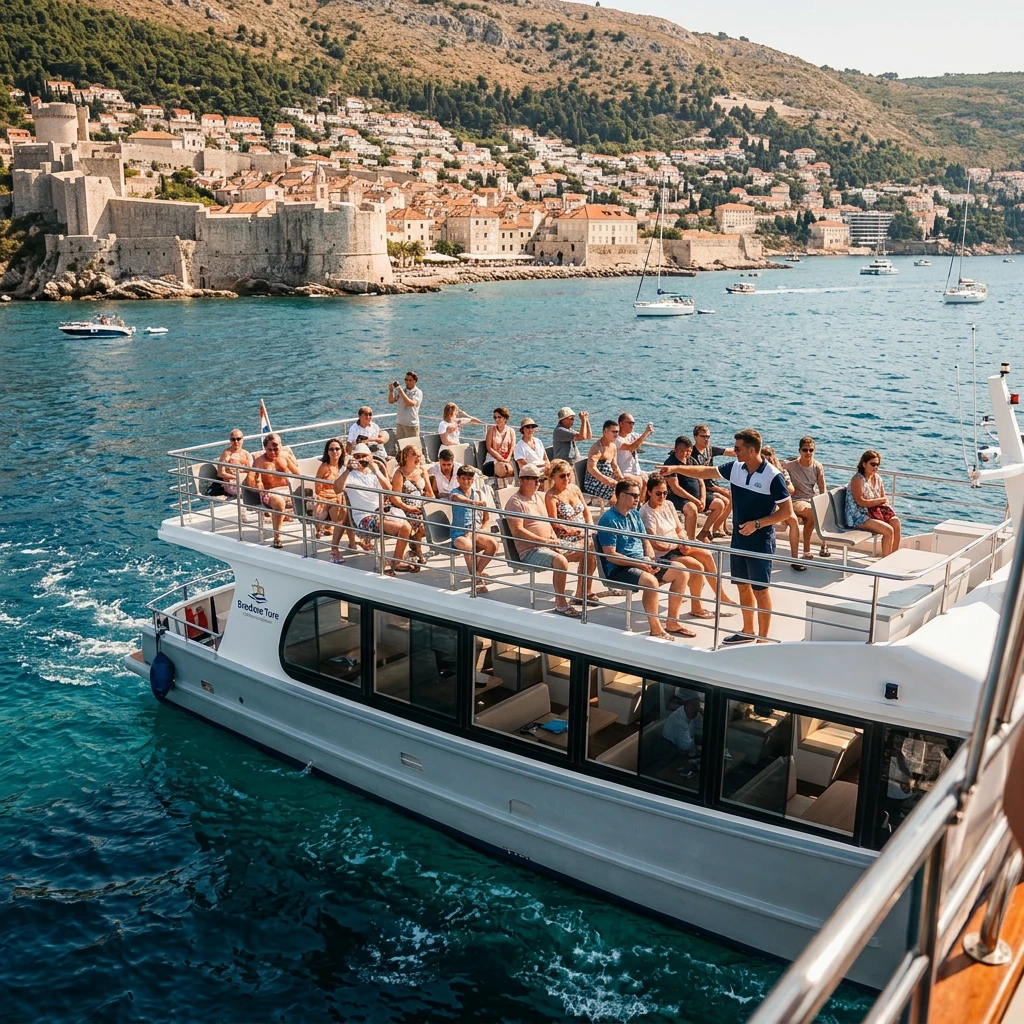
As of 2026, ferry prices in Croatia have seen a notable adjustment following the adoption of the Euro and the impact of inflation. Visitors can expect a more standardized pricing structure across various ferry routes, making it easier to budget for travel. The average cost of ferry tickets has increased slightly, but the convenience and accessibility of ferry services remain a significant draw for tourists looking to explore Croatia's stunning islands and coastal towns.
- Informative estimated average prices in Euros (€)
- Transparent low vs. high peak season price breakdown below
Comprehensive Price Breakdown & Comparison Table 2026
| Service | Low Season Price (€) | High Season Price (€) |
|---|---|---|
| Split to Hvar Ferry | 15 € | 25 € |
| Dubrovnik to Korčula Ferry | 20 € | 30 € |
| Zadar to Pag Ferry | 10 € | 15 € |
| Rijeka to Cres Ferry | 12 € | 20 € |
| Pula to Brijuni Islands Ferry | 18 € | 25 € |
| Split to Vis Ferry | 25 € | 35 € |
Regional Price Variations (Islands vs Coastal vs Inland)
Ferry prices can vary significantly depending on the region. Popular islands like Hvar and Korčula tend to have higher prices due to demand, especially during the summer months. In contrast, ferries to less frequented islands or coastal towns may offer more budget-friendly options. For instance, a trip from Split to Hvar can cost between 15 € and 25 €, while a ferry from Zadar to Pag may only cost around 10 € to 15 €.
Insider Money-Saving Tips & Tourist Traps to Avoid
- Local Lunch Specials: Look for 'Marenda' deals in local eateries, which often provide delicious meals at a fraction of the price.
- Grocery Shopping Hacks: Buy snacks and drinks at local supermarkets instead of on the ferry, where prices can be inflated.
- Avoid Dynamic Currency Conversion: When paying by card, opt to pay in local currency (HRK) to avoid unfavorable exchange rates.
- ATM Traps: Use ATMs that are affiliated with banks to avoid high withdrawal fees.
- Tipping Etiquette: Tipping is appreciated but not mandatory; rounding up the bill is usually sufficient.
Payment Rules, Card Acceptance & Fiscal Receipts
In Croatia, it's essential to understand the local fiscal law ('Fiskalni račun'). Always ask for a receipt when making a purchase, as this is required by law and helps ensure transparency. While most ferry operators accept credit and debit cards, having some cash on hand is advisable, especially for smaller operators or during peak travel times when systems may be overloaded.