Current Situation & Pricing Overview 2026 in Croatia
As Croatia continues to transition towards renewable energy sources, the installation of solar panels has gained significant traction among both locals and international visitors. Following the adoption of the Euro, the market has seen fluctuations in pricing due to inflation and increased demand. In 2026, potential customers can expect to pay between 4,500 € and 10,000 € for residential solar panel installations, depending on the system size and complexity.
Moreover, the Croatian government has implemented various incentives to encourage solar energy adoption, making it a financially viable option for many. Travelers considering solar panel installation should be aware of the associated costs and potential savings on electricity bills.
- Informative estimated average prices in Euros (€)
- Transparent low vs. high peak season price breakdown below
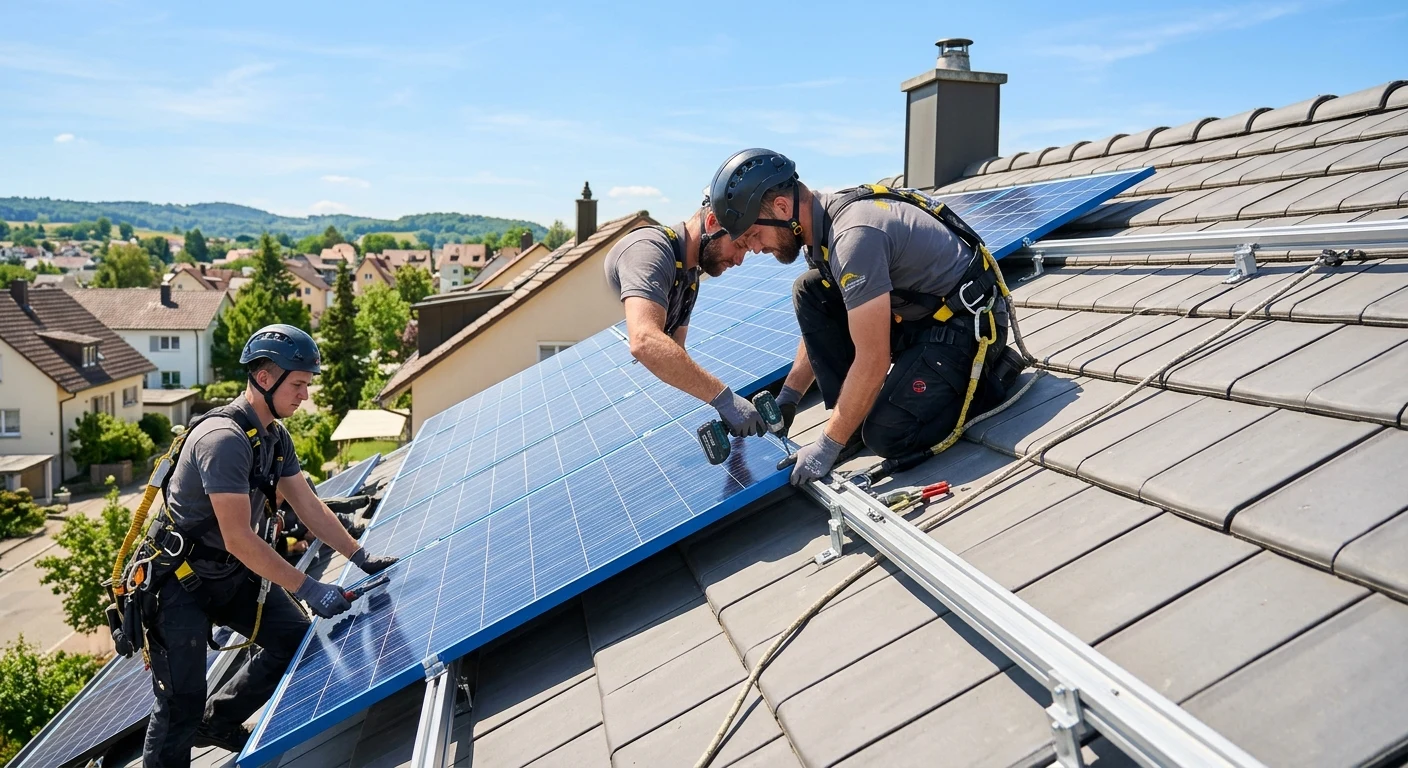
Comprehensive Price Breakdown & Comparison Table 2026
| Service | Low Season Price (€) | High Season Price (€) |
|---|---|---|
| Residential Solar Panel Installation | 4,500 € | 10,000 € |
| Commercial Solar Panel Installation | 10,000 € | 50,000 € |
| Solar Inverter Replacement | 800 € | 1,500 € |
| Solar Battery Storage System | 3,000 € | 8,000 € |
| Maintenance and Cleaning Services | 100 € | 300 € |
| Consultation and Design Services | 200 € | 1,000 € |
Regional Price Variations (Islands vs Coastal vs Inland)
In Croatia, the cost of solar panel installation can vary significantly based on the region. Coastal areas, such as Dubrovnik and Split, tend to have higher installation costs due to increased demand and tourism. Conversely, inland areas may offer more competitive pricing. Popular islands like Hvar and Korčula also see a premium on installation costs, particularly during the tourist season.
- Dubrovnik: 10% higher than the national average due to high demand.
- Split: Similar pricing to Dubrovnik, with a vibrant market for solar energy.
- Hvar: Installation costs can be 15% higher due to logistical challenges.
- Inland Areas: Generally 10-20% lower than coastal prices.
Insider Money-Saving Tips & Tourist Traps to Avoid
When considering solar panel installation in Croatia, here are some insider tips to save money and avoid common pitfalls:
- Local Lunch Specials: Look for 'Marenda' deals at local eateries for affordable meals while you explore.
- Grocery Shopping: Purchase groceries from local markets instead of tourist shops to save on food costs.
- Dynamic Currency Conversion: Avoid using ATMs that offer to convert your withdrawal into your home currency; this often comes with unfavorable rates.
- Tipping Etiquette: Generally, rounding up the bill or leaving a small tip is appreciated but not mandatory.
Payment Rules, Card Acceptance & Fiscal Receipts
In Croatia, it is essential to understand the payment landscape. Most establishments accept credit and debit cards, but it's wise to carry some cash, especially in rural areas. According to Croatian fiscal law ('Fiskalni račun'), businesses are required to issue a fiscal receipt for all transactions. Always ask for a receipt, as it serves as proof of purchase and can be necessary for warranty claims or potential disputes.
In summary, being informed about the costs and regulations surrounding solar panel installation in Croatia will enhance your experience and help you make the most of your investment in renewable energy.