Current Situation & Pricing Overview 2026 in Croatia
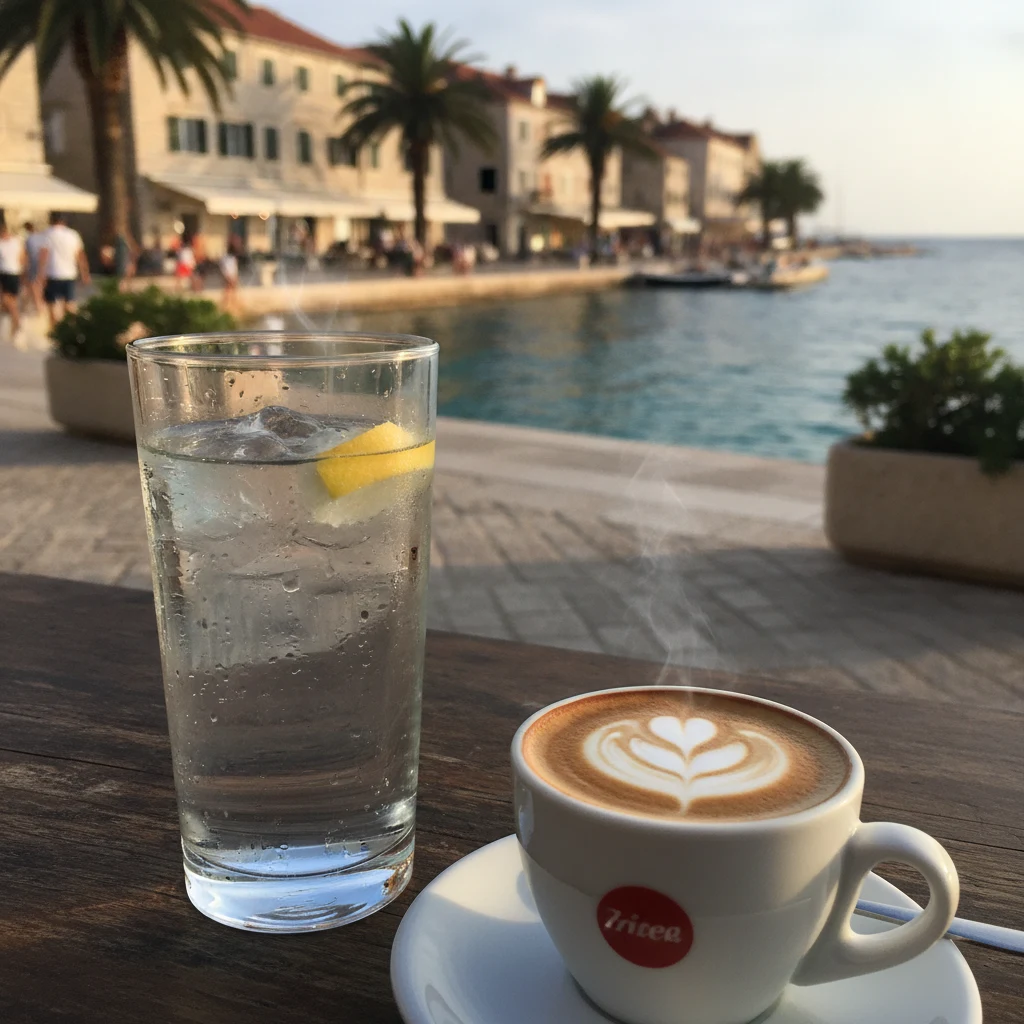
As Croatia continues to thrive as a popular tourist destination, the adoption of the Euro has brought about notable changes in pricing. In 2026, visitors can expect coffee and soft drink prices to reflect a blend of local economic conditions and tourist demand. While prices have increased slightly due to inflation, they remain competitive compared to other European destinations. Coffee culture is deeply embedded in Croatian society, with locals enjoying their daily brews in seaside cafes and bustling city squares.
- Informative estimated average prices in Euros (€)
- Transparent low vs. high peak season price breakdown below
Comprehensive Price Breakdown & Comparison Table 2026
| Item | Low Season Price (€) | High Season Price (€) | Notes |
|---|---|---|---|
| Espresso | 1.50 | 3.00 | Standard price across cafes |
| Cappuccino | 2.50 | 4.50 | Varies by location |
| Soft Drink | 1.50 | 3.00 | Common brands |
| Local Craft Beer | 3.00 | 5.00 | Popular in bars |
| Fresh Juice | 3.50 | 6.00 | Healthier options available |
| Water (Bottled) | 1.00 | 2.00 | Essential for beach days |
Regional Price Variations (Islands vs Coastal vs Inland)
Prices for coffee and soft drinks can vary significantly across different regions of Croatia. Coastal areas, especially tourist hotspots like Dubrovnik and Hvar, often have higher prices due to demand. In contrast, inland towns may offer more affordable options. For example:
- Hvar: Expect to pay premium prices for coffee, especially in beachfront cafes.
- Dubrovnik: A cappuccino can cost up to 4.50 € in the Old Town.
- Split: Prices are moderate, with a cappuccino averaging around 3.00 €.
- Rovinj: Known for its charming cafes, prices are similar to Split.
- Inland Areas: Towns like Karlovac or Sisak offer lower prices, often around 1.50 € for an espresso.
Insider Money-Saving Tips & Tourist Traps to Avoid
To make the most of your coffee and soft drink experience in Croatia, consider these tips:
- Local Lunch Specials: Look for 'Marenda' deals, which often include coffee and a pastry at a reduced price.
- Grocery Shopping: Purchase bottled drinks from supermarkets for significant savings compared to cafes.
- ATM Traps: Avoid dynamic currency conversion at ATMs; choose to pay in local currency to avoid extra fees.
- Tipping Etiquette: While not mandatory, leaving a small tip for good service is appreciated.
Payment Rules, Card Acceptance & Fiscal Receipts
In Croatia, it's important to understand the payment landscape:
- Card Acceptance: Most cafes and restaurants accept credit and debit cards, but always check before ordering.
- Cash Payments: Having cash on hand is useful, especially in smaller towns or for small purchases.
- Fiscal Receipts: Croatian law requires businesses to issue a 'Fiskalni račun' (fiscal receipt) for every transaction. Always ask for a receipt, as it can be useful for warranty claims or expense tracking.