Current Situation & Pricing Overview 2026 in Croatia
As Croatia continues to attract tourists from around the globe, the camping sector has seen significant changes following the adoption of the Euro. Prices have adjusted due to inflation and increased demand, particularly in coastal areas. Travelers can expect a range of prices depending on the season, with low-season rates being considerably more affordable than high-season rates.
- Informative estimated average prices in Euros (€)
- Transparent low vs. high peak season price breakdown below
Comprehensive Price Breakdown & Comparison Table 2026
| Service | Low Season | High Season |
|---|---|---|
| Campsite Pitch | 15 € – 25 € | 30 € – 50 € |
| RV Pitch | 20 € – 35 € | 40 € – 70 € |
| Tent Rental | 10 € – 20 € | 20 € – 30 € |
| Electricity Hookup | 5 € – 10 € | 10 € – 15 € |
| Shower Facilities | 1 € – 3 € | 2 € – 5 € |
| Wi-Fi Access | 0 € – 5 € | 5 € – 10 € |
Regional Price Variations (Islands vs Coastal vs Inland)
Prices for campsites can vary significantly across different regions in Croatia. Coastal areas, particularly hotspots like Dubrovnik and Split, tend to be more expensive due to high demand. In contrast, inland areas may offer more budget-friendly options. Popular islands such as Hvar and Korčula also have a range of prices, often reflecting their tourist appeal.
- Hvar: High demand, prices range from 30 € to 70 € per night.
- Korčula: Moderate prices, typically 25 € to 50 € per night.
- Dubrovnik: Premium pricing, often 40 € to 80 € per night.
- Split: Competitive rates, ranging from 20 € to 60 € per night.
- Istria: Generally more affordable, with prices from 15 € to 45 € per night.
Insider Money-Saving Tips & Tourist Traps to Avoid
To make the most of your camping experience in Croatia, consider these insider tips:
- Look for local lunch specials known as Marenda, which offer hearty meals at lower prices.
- Shop at local grocery stores for fresh produce and essentials instead of dining out for every meal.
- Avoid dynamic currency conversion at ATMs; always choose to pay in local currency (HRK) to avoid extra fees.
- Be mindful of tipping; rounding up the bill or leaving a small tip (5-10%) is appreciated but not obligatory.
Payment Rules, Card Acceptance & Fiscal Receipts
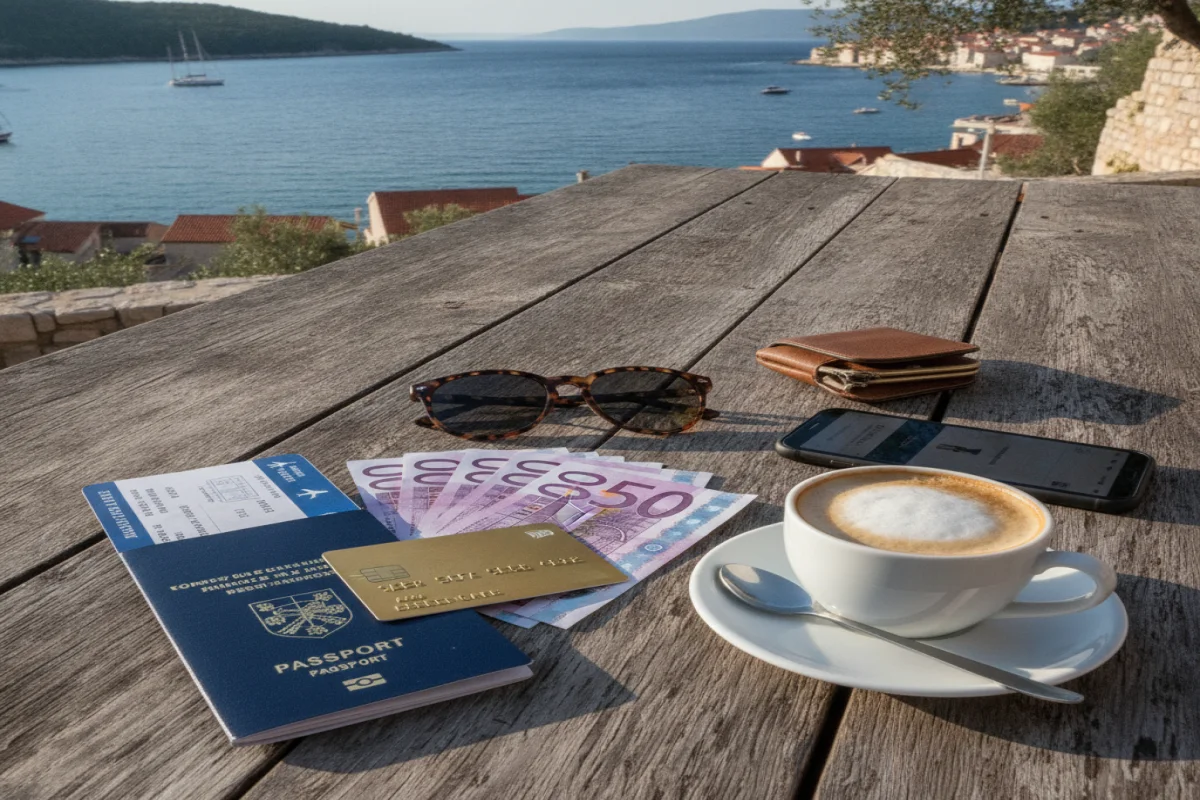
In Croatia, it is essential to understand the local payment practices. While many campsites accept credit and debit cards, cash is still widely used, especially in smaller establishments. Always request a fiscal receipt (Fiskalni račun) for your transactions, as this is a legal requirement and can be useful for any disputes or claims.
In summary, being informed about pricing and payment practices will enhance your camping experience in Croatia, allowing you to enjoy the stunning coastal scenery without breaking the bank.