Current Situation & Pricing Overview 2026 in Croatia
Since the adoption of the Euro in 2023, Croatia has seen a significant shift in its pricing landscape. Inflation has impacted various sectors, but the overall cost of living remains relatively affordable compared to other European destinations. Tourists can expect to pay slightly more for services and goods, especially in popular coastal areas during the peak season. Understanding these changes will help you plan your budget effectively.
- Informative estimated average prices in Euros (€)
- Transparent low vs. high peak season price breakdown below
Comprehensive Price Breakdown & Comparison Table 2026
| Item/Service | Low Season (€) | High Season (€) | Budget (€) | Luxury (€) |
|---|---|---|---|---|
| Meal at a mid-range restaurant | 15 | 30 | 15 | 30 |
| Local beer (0.5L) | 2 | 4 | 2 | 4 |
| Public transport ticket (one way) | 1.50 | 3 | 1.50 | 3 |
| Beach chair rental | 5 | 15 | 5 | 15 |
| Guided tour (half-day) | 30 | 60 | 30 | 60 |
| Grocery shopping (weekly) | 40 | 80 | 40 | 80 |
Regional Price Variations (Islands vs Coastal vs Inland)
Prices can vary significantly depending on the region you are visiting. Coastal areas like Dubrovnik and Split tend to be more expensive due to their popularity among tourists. In contrast, inland regions and lesser-known islands like Vis or Lastovo offer more budget-friendly options. For example:
- Hvar Island: Known for its nightlife, expect higher prices for dining and accommodation.
- Korčula Island: Offers a mix of mid-range and budget options, especially in local eateries.
- Dubrovnik: High-end restaurants and luxury hotels dominate, making it one of the pricier destinations.
- Split: A balance of affordable and upscale options, catering to various budgets.
Insider Money-Saving Tips & Tourist Traps to Avoid
To make the most of your budget while enjoying Croatia, consider these tips:
- Local Lunch Specials: Look for 'Marenda' deals in local restaurants, typically offered between 11 AM and 3 PM, providing great value.
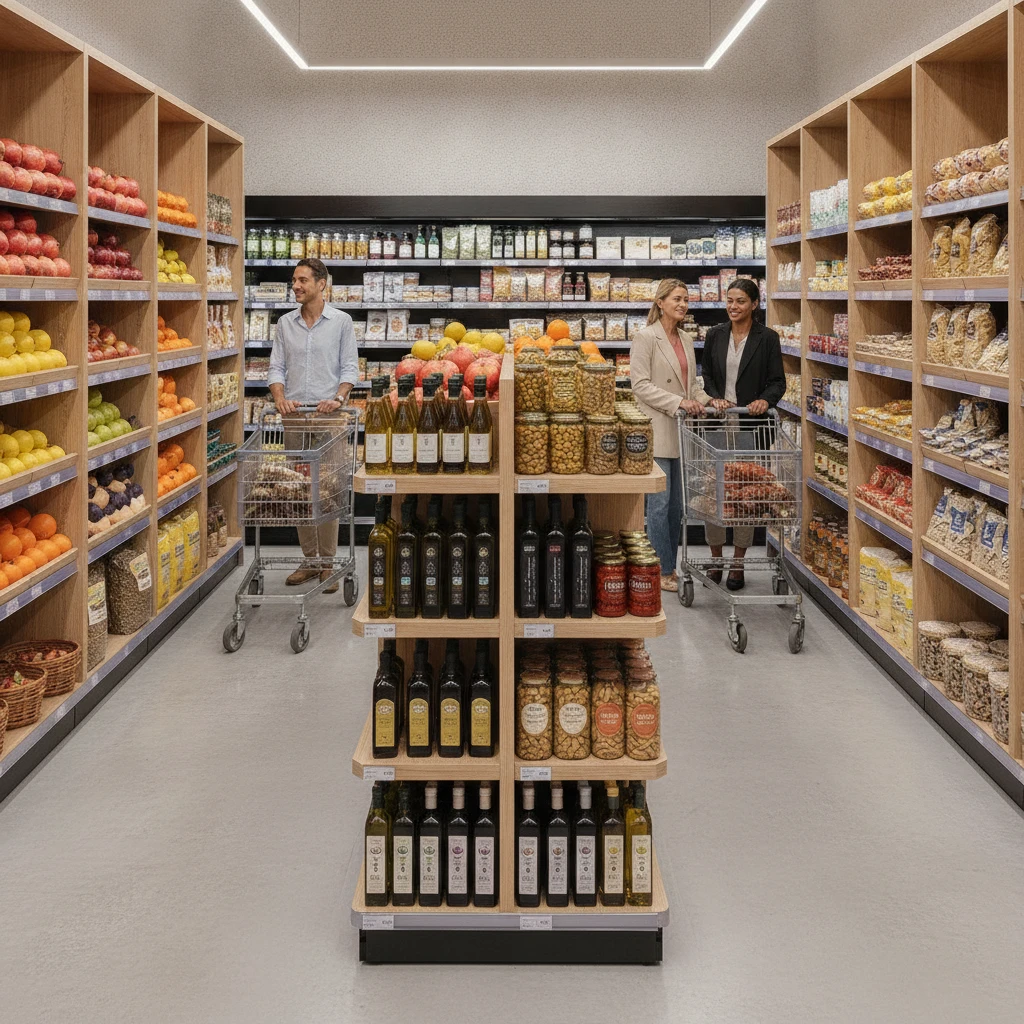
- Grocery Shopping: Buy fresh produce and local products from markets instead of dining out for every meal.
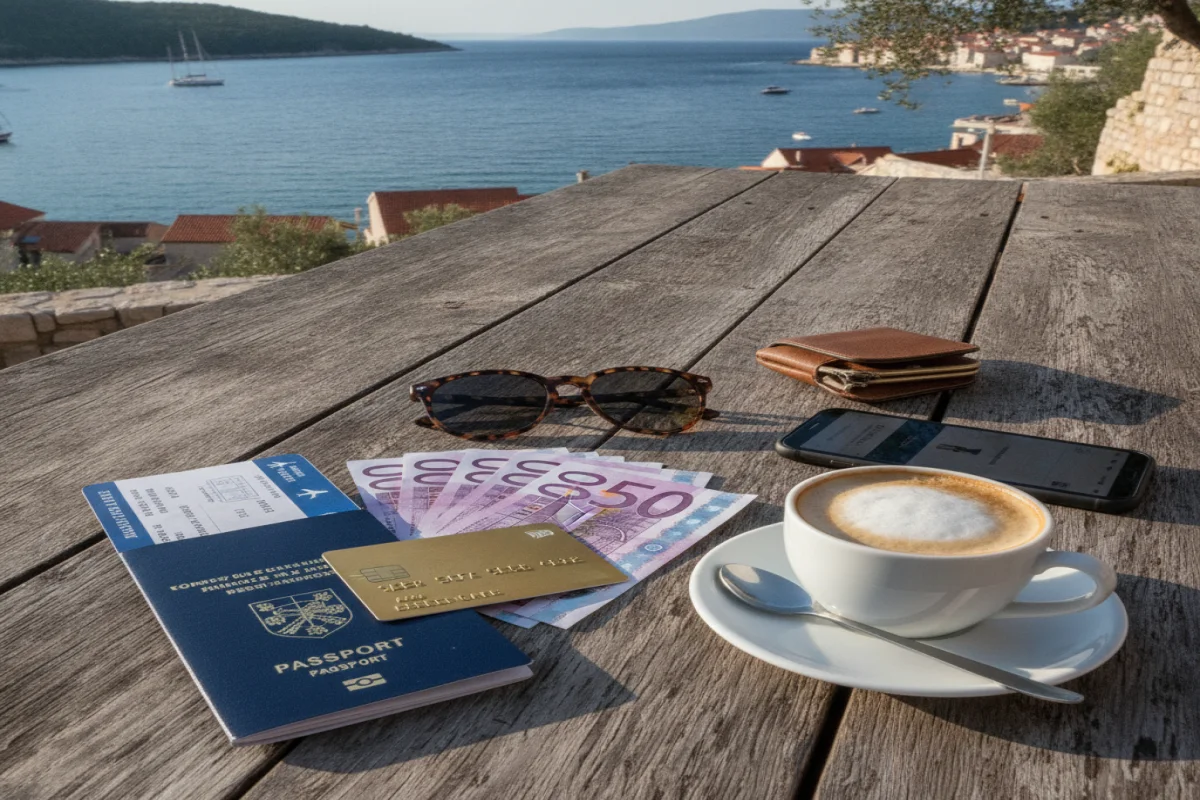
- ATM Traps: Avoid dynamic currency conversion at ATMs; always choose to be charged in Euros to avoid extra fees.
- Tipping Etiquette: While not mandatory, leaving a small tip is appreciated, especially in restaurants.
- Free Attractions: Take advantage of Croatia's stunning natural beauty; many beaches and parks are free to access.
Payment Rules, Card Acceptance & Fiscal Receipts
In Croatia, it is essential to understand the local payment rules. Most establishments accept credit cards, but smaller shops and rural areas may prefer cash. Always ask for a 'Fiskalni račun' (fiscal receipt) when making a purchase, as it is required by law and helps ensure you are not overcharged. This receipt is also important for any potential returns or disputes.