Current Situation & Pricing Overview 2026 in Croatia
Since the adoption of the Euro in 2023, Croatia has seen a significant shift in its pricing landscape. Inflation has affected various sectors, leading to a moderate increase in the cost of living. Tourists can expect prices to be higher in popular coastal areas, especially during the summer months. However, the overall cost remains competitive compared to other European destinations, making Croatia an attractive option for international travelers.
- Informative estimated average prices in Euros (€)
- Transparent low vs. high peak season price breakdown below
Comprehensive Price Breakdown & Comparison Table 2026
| Item/Service | Low Season (€) | High Season (€) | Budget (€) | Luxury (€) |
|---|---|---|---|---|
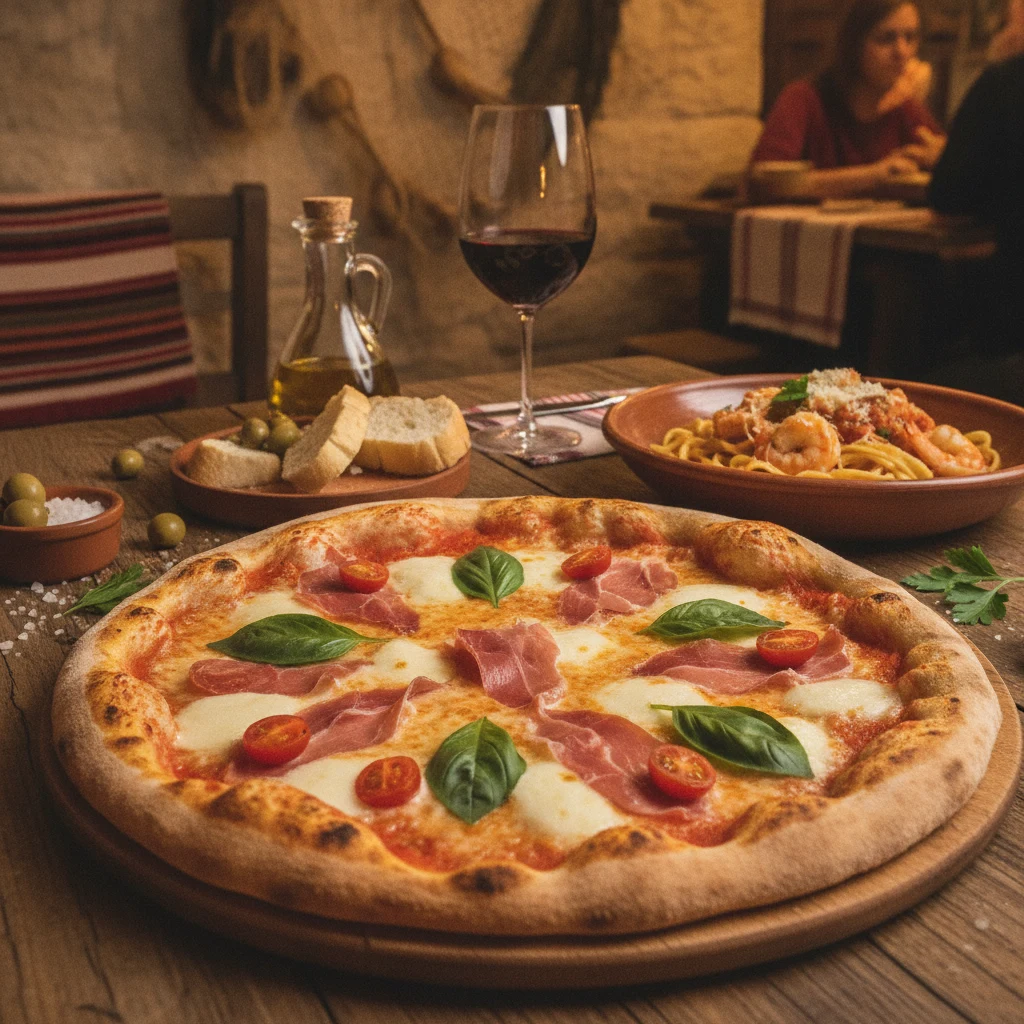
| Meal at a mid-range restaurant | 15 | 30 | 15 | 30 |
| Local beer (0.5L) | 3 | 5 | 3 | 5 |
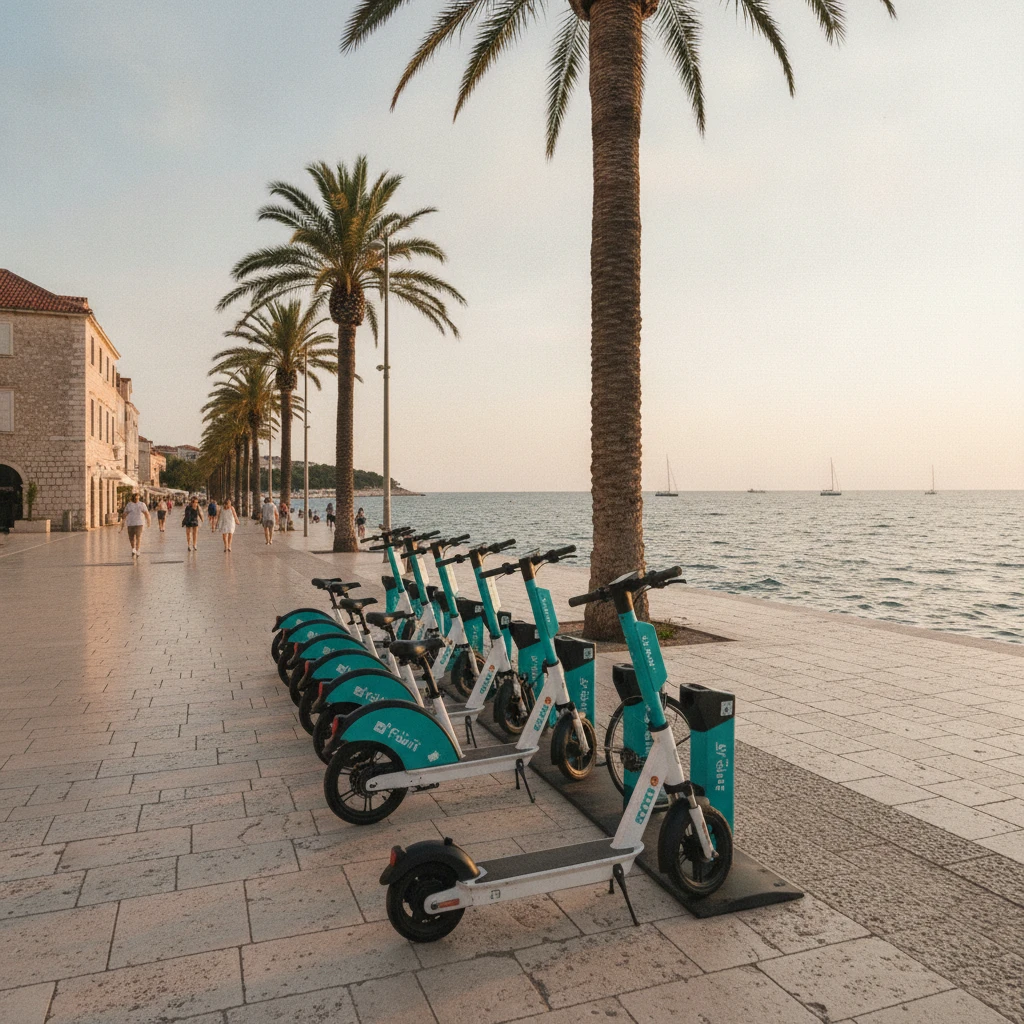
| Public transport ticket | 1.50 | 3 | 1.50 | 3 |
| Coffee (cappuccino) | 2 | 4 | 2 | 4 |
| Hostel dormitory bed | 15 | 25 | 15 | 25 |
| Hotel (3-star) | 60 | 120 | 60 | 120 |
| Day trip to an island | 30 | 80 | 30 | 80 |
| Entrance fee to national parks | 10 | 30 | 10 | 30 |
| Car rental | 30 | 70 | 30 | 70 |
| Souvenir shopping | 5 | 50 | 5 | 50 |
Regional Price Variations (Islands vs Coastal vs Inland)
Prices can vary significantly across different regions in Croatia. Coastal areas, particularly tourist hotspots like Dubrovnik and Hvar, tend to have higher prices due to demand. In contrast, inland regions such as Slavonia and central Croatia offer more affordable options for accommodation and dining. Islands like Korčula and Brač may have higher prices during peak season but can be more reasonable in the off-season.
Insider Money-Saving Tips & Tourist Traps to Avoid
- Local lunch specials: Look for 'Marenda' deals, which are affordable lunch options offered by many restaurants.
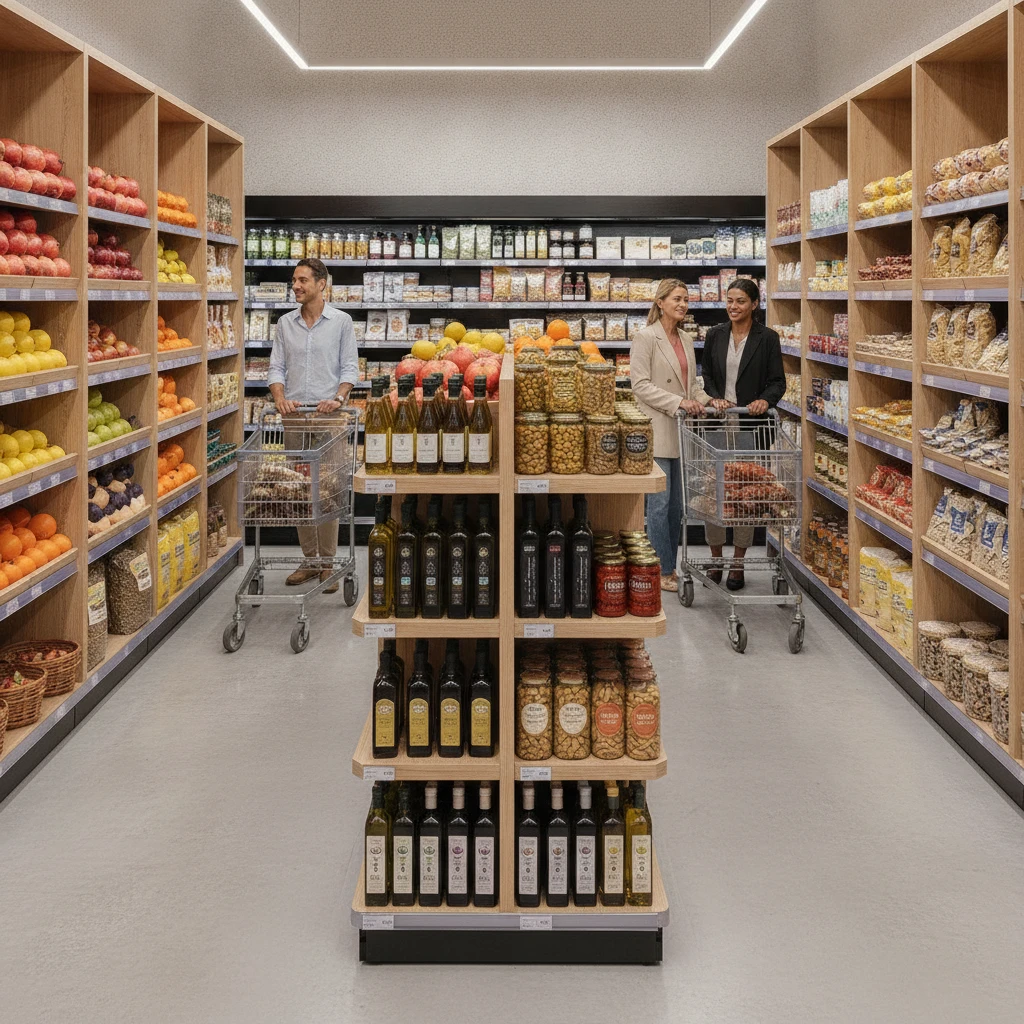
- Grocery shopping: Purchase snacks and drinks at local supermarkets to save money on meals.
- Avoid dynamic currency conversion: Always choose to pay in Euros to avoid unfavorable exchange rates.
- Tipping etiquette: A small tip of 10% is appreciated in restaurants but not obligatory.
- Explore lesser-known areas: Visiting smaller towns can provide a more authentic experience and better prices.
Payment Rules, Card Acceptance & Fiscal Receipts
In Croatia, both cash and card payments are widely accepted. However, it is essential to ask for a fiscal receipt ('Fiskalni račun') for any purchase, as this is required by law. This practice helps ensure transparency and can be beneficial for tourists in case of disputes. While credit and debit cards are commonly accepted in urban areas, some smaller establishments may prefer cash, especially in rural regions.