Current Situation & Pricing Overview 2026 in Croatia
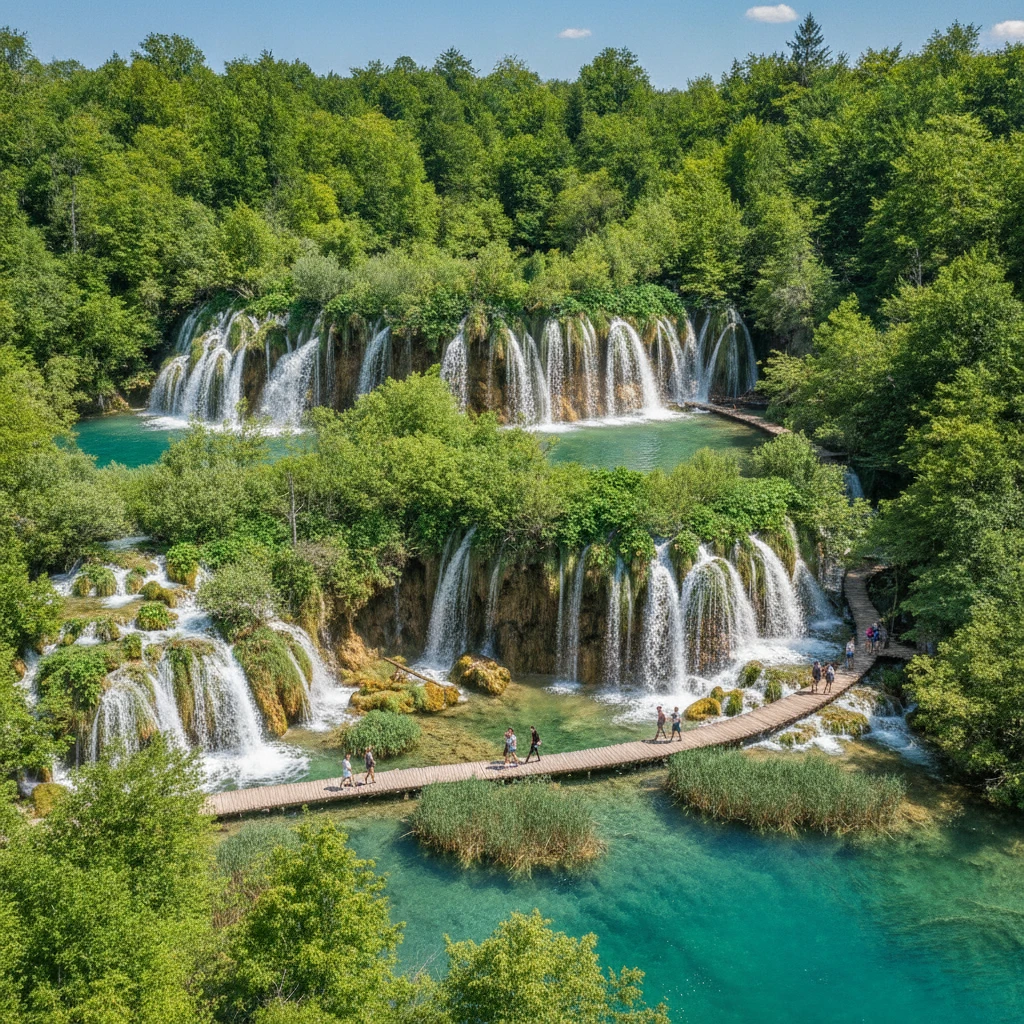
As Croatia continues to embrace the Euro, national park entrance fees have seen a gradual increase due to inflation and rising operational costs. In 2026, visitors can expect to pay between 5 € and 50 € depending on the park and the season. The adoption of the Euro has streamlined pricing, making it easier for international tourists to budget their trips. However, it's essential to be aware of peak season pricing, which can significantly affect your overall travel costs.
- Informative estimated average prices in Euros (€)
- Transparent low vs. high peak season price breakdown below
Comprehensive Price Breakdown & Comparison Table 2026
| Service | Low Season Price (€) | High Season Price (€) |
|---|---|---|
| Plitvice Lakes National Park | 15 € | 40 € |
| Krka National Park | 10 € | 20 € |
| Brijuni National Park | 12 € | 25 € |
| Mljet National Park | 8 € | 20 € |
| Paklenica National Park | 5 € | 10 € |
| Kornati National Park | 20 € | 50 € |
Regional Price Variations (Islands vs Coastal vs Inland)
Price variations exist across different regions in Croatia. Coastal parks like Plitvice and Krka tend to have higher entrance fees due to their popularity and accessibility. In contrast, inland parks such as Paklenica may offer lower fees, making them a budget-friendly option for those willing to explore less touristy areas. Islands like Hvar and Korčula also have unique pricing structures, often influenced by their remote locations and seasonal tourism spikes.
Insider Money-Saving Tips & Tourist Traps to Avoid
- Local Lunch Specials: Look for 'Marenda' deals in local eateries, offering affordable traditional meals.
- Grocery Shopping: Purchase snacks and drinks from local supermarkets instead of tourist shops to save money.
- ATM Fees: Avoid dynamic currency conversion at ATMs; choose to withdraw in Euros to avoid extra charges.
- Tipping Etiquette: Tipping is appreciated but not mandatory; rounding up the bill is common practice.
Payment Rules, Card Acceptance & Fiscal Receipts
In Croatia, it is essential to ask for a 'Fiskalni račun' (fiscal receipt) for all transactions, as this is required by law. Most establishments accept credit and debit cards, but it's wise to carry some cash, especially in rural areas or smaller towns. Be aware that some national parks may only accept cash at the entrance, so plan accordingly.