Current Situation & Pricing Overview 2026 in Croatia
As Croatia continues to embrace the Euro, the landscape of museum and historical site fees has evolved. In 2026, visitors can expect a range of entry fees that reflect both inflation and the increased value of cultural experiences. Prices have generally stabilized, but seasonal fluctuations remain significant, particularly in coastal areas popular with tourists.
With the influx of international travelers, many museums have upgraded their facilities and services, often justifying higher fees. However, the rich history and stunning architecture of Croatia's museums and fortresses make them well worth the investment.
- Informative estimated average prices in Euros (€)
- Transparent low vs. high peak season price breakdown below
Comprehensive Price Breakdown & Comparison Table 2026
| Service | Low Season (€) | High Season (€) |
|---|---|---|
| Dubrovnik City Walls | 30 | 40 |
| Museum of Broken Relationships | 8 | 12 |
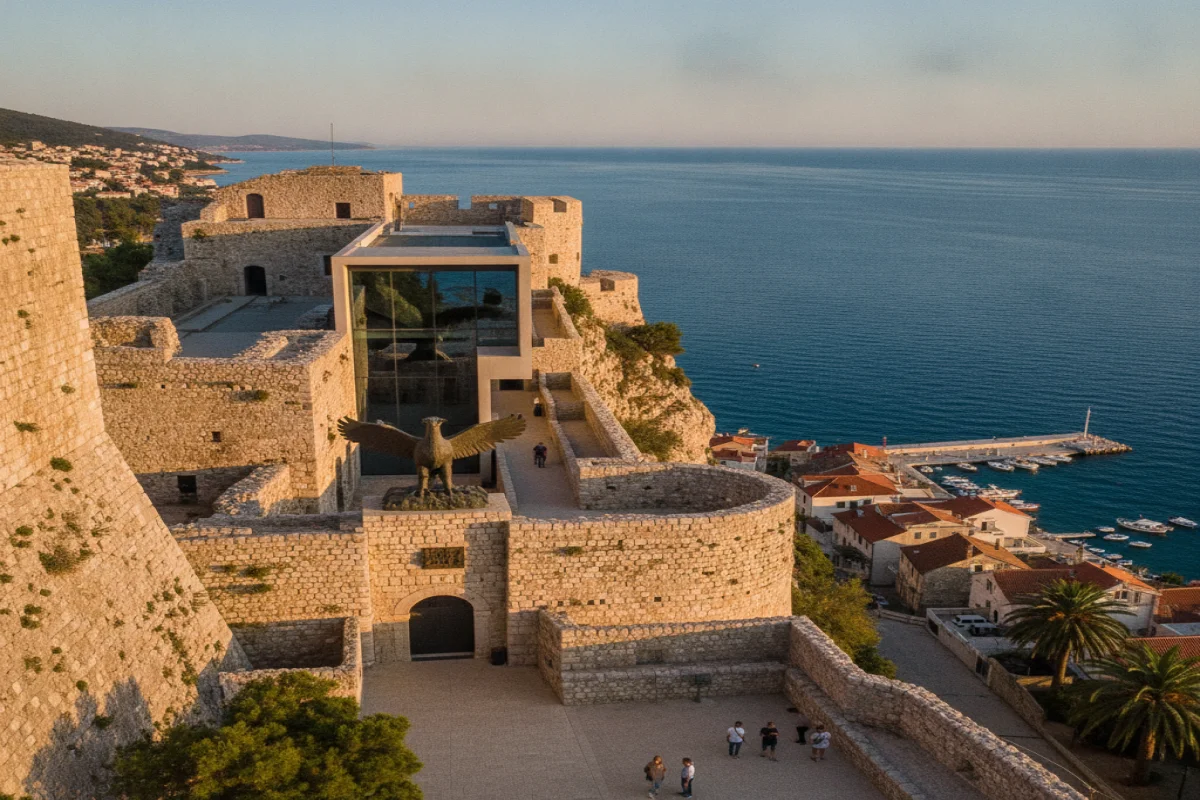
| Hvar Fortress | 5 | 10 |
| Split Archaeological Museum | 6 | 10 |
| Pula Arena | 10 | 15 |
| National Museum of Modern Art | 5 | 10 |
| Krka National Park | 15 | 20 |
| Trogir Historical Center | 8 | 12 |
| Rovinj Heritage Museum | 4 | 8 |
| Zadar Sea Organ | Free | Free |
Regional Price Variations (Islands vs Coastal vs Inland)
In Croatia, pricing for museum entries can vary significantly based on location. Coastal regions, particularly popular tourist destinations like Dubrovnik and Split, tend to have higher fees due to demand. For example, entry to the Dubrovnik City Walls can reach up to 40 € in peak season.
On the other hand, smaller towns and inland areas often have more affordable options. Museums in places like Slavonia or the Istrian peninsula may charge less, with fees typically ranging from 4 € to 10 €.
Island museums, such as those on Hvar or Korčula, often balance between tourist pricing and local affordability, with fees generally between 5 € and 15 €.
Insider Money-Saving Tips & Tourist Traps to Avoid
- Local Lunch Specials: Look for 'Marenda' deals in local eateries, offering affordable meals for around 5 € to 10 €.
- Grocery Shopping: Purchase snacks and drinks from local markets instead of tourist shops to save money.
- Avoid Dynamic Currency Conversion: Always choose to pay in Euros to avoid unfavorable exchange rates at ATMs or card terminals.
- Tipping Etiquette: Tipping is appreciated but not mandatory; rounding up the bill is common practice.
Payment Rules, Card Acceptance & Fiscal Receipts
In Croatia, fiscal law requires businesses to provide a 'Fiskalni račun' or fiscal receipt for all transactions. This is important for tax purposes and ensures that your payment is recorded properly. Most museums and historical sites accept both cash and card payments, but it's wise to carry some cash, especially in smaller towns or less touristy areas.
When using a card, be aware that some establishments may charge a small fee for card transactions. Always ask if there are any additional charges before paying.