Current Situation & Pricing Overview 2026 in Croatia
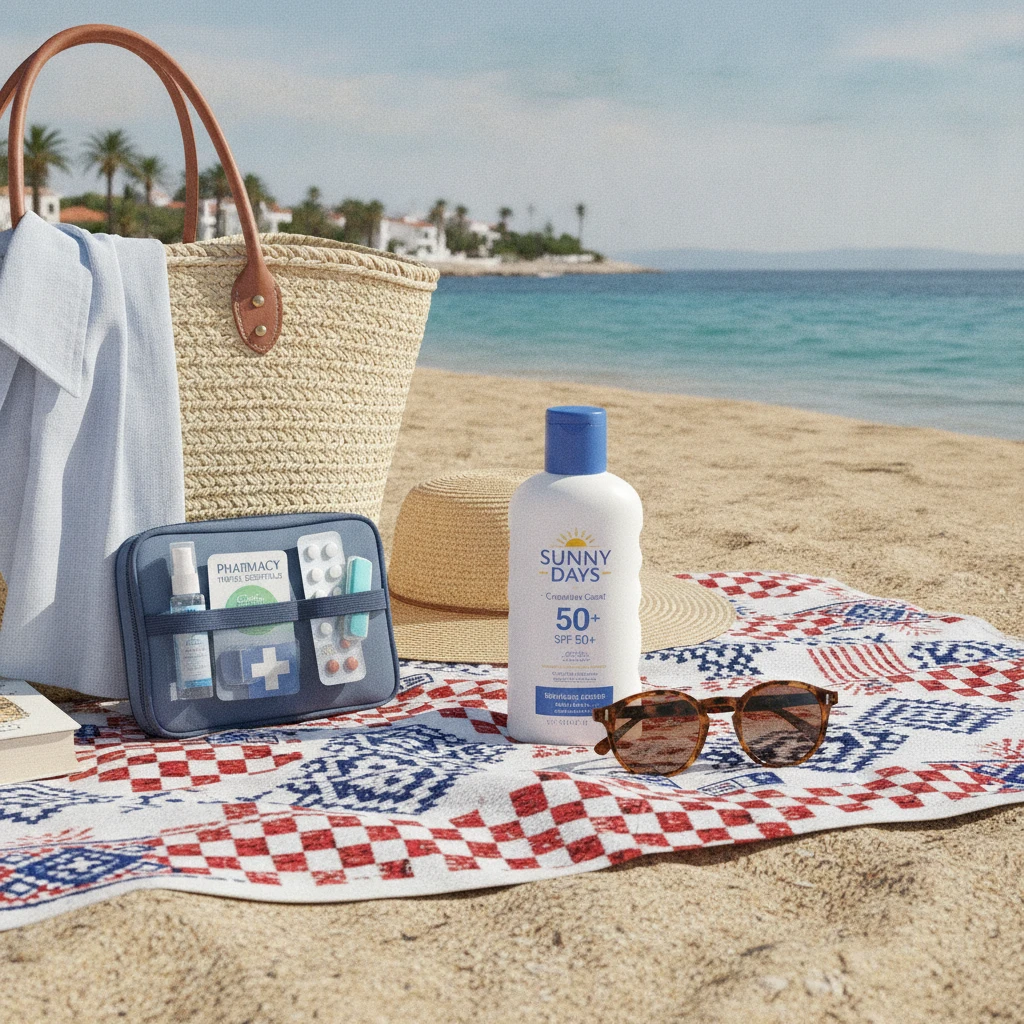
As Croatia continues to attract international tourists, the adoption of the Euro has led to noticeable changes in pricing for beach essentials. Inflation has also played a role, with prices for sunscreen and personal care items seeing an increase compared to previous years. Visitors can expect to pay more for these essentials, particularly in tourist-heavy areas.
- Informative estimated average prices in Euros (€)
- Transparent low vs. high peak season price breakdown below
Comprehensive Price Breakdown & Comparison Table 2026
| Item | Low Season Price (€) | High Season Price (€) |
|---|---|---|
| Sunscreen SPF 30 (100ml) | 10 € | 20 € |
| After-sun lotion (200ml) | 8 € | 15 € |
| Beach towel rental | 5 € | 10 € |
| Beach umbrella rental | 10 € | 20 € |
| Flip-flops | 15 € | 30 € |
| Snorkeling gear rental | 10 € | 25 € |
| Waterproof phone case | 5 € | 15 € |
| Beach chair rental | 5 € | 15 € |
| Insect repellent (100ml) | 5 € | 10 € |
| Hydration pack (1.5L) | 10 € | 20 € |
Regional Price Variations (Islands vs Coastal vs Inland)
Prices for beach essentials can vary significantly across different regions of Croatia. Popular islands like Hvar and Korčula tend to have higher prices due to their tourist appeal, while coastal towns such as Dubrovnik and Split also reflect elevated costs. In contrast, inland areas may offer more affordable options, particularly in local shops.
Insider Money-Saving Tips & Tourist Traps to Avoid
- Local Lunch Specials: Look for 'Marenda' deals in local eateries, offering affordable meals.
- Grocery Shopping Hacks: Purchase beach essentials at supermarkets instead of tourist shops for better prices.
- Dynamic Currency Conversion: Avoid using this service at ATMs; always choose to be charged in Euros.
- Tipping Etiquette: Tipping is appreciated but not required; rounding up is common.
Payment Rules, Card Acceptance & Fiscal Receipts
In Croatia, it is essential to understand the fiscal laws regarding payments. Always request a 'Fiskalni račun' (fiscal receipt) for your purchases, as this is a legal requirement for businesses. While credit and debit cards are widely accepted, especially in tourist areas, carrying some cash is advisable for smaller vendors and markets.