Current Situation & Pricing Overview 2026 in Croatia
As Croatia has adopted the Euro, the pricing landscape for museums, fortresses, and historical sites has seen a significant shift. The transition has brought about a standardization of prices, making it easier for international tourists to budget their trips. However, inflation has also played a role, leading to a gradual increase in fees across various attractions. Visitors can expect to pay between 5 € to 40 € for entrance fees, depending on the site and season.
- Informative estimated average prices in Euros (€)
- Transparent low vs. high peak season price breakdown below
Comprehensive Price Breakdown & Comparison Table 2026
| Service | Low Season Price (€) | High Season Price (€) |
|---|---|---|
| Dubrovnik City Walls | 30 | 40 |
| Split Diocletian's Palace | 10 | 15 |
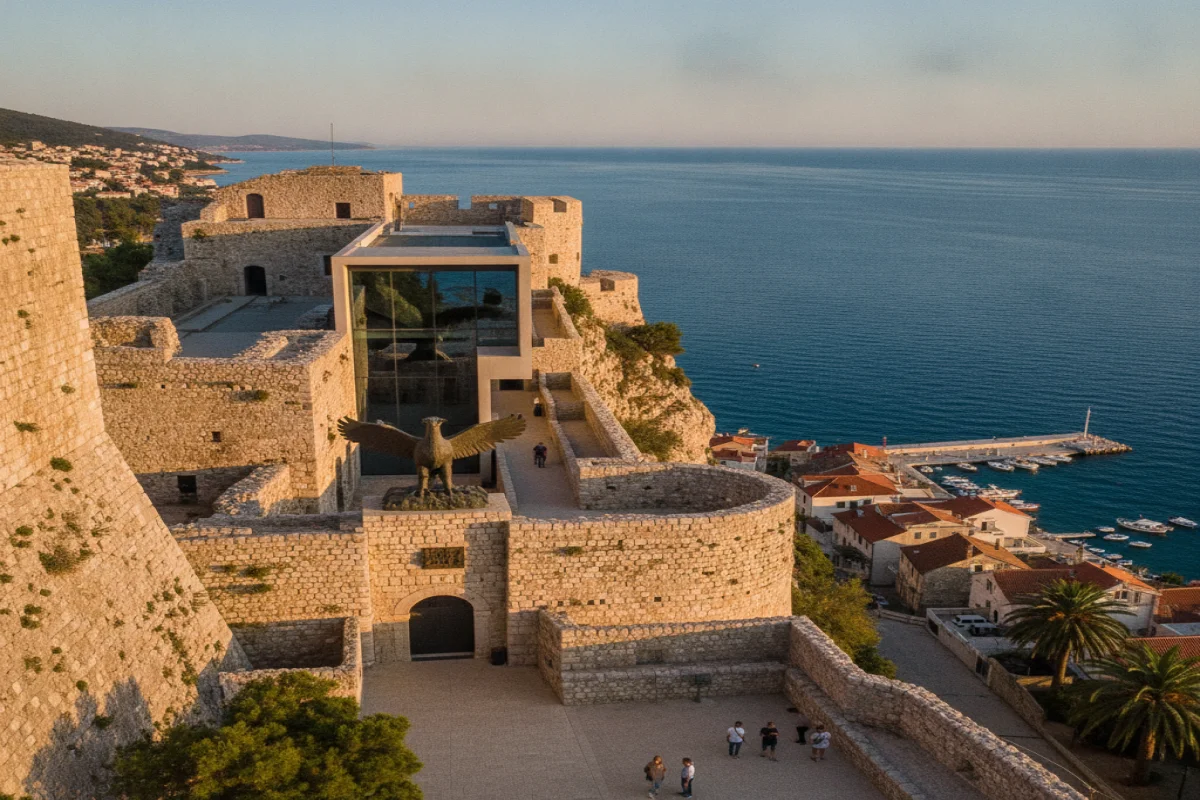
| Hvar Fortress | 5 | 10 |
| Korčula Town Museum | 8 | 12 |
| Rovinj Heritage Museum | 6 | 10 |
| Zagreb Museum of Broken Relationships | 8 | 12 |
| Pula Arena | 10 | 15 |
| National Park Krka | 15 | 25 |
| Trogir Historical Center | 5 | 10 |
| Sibenik Cathedral | 5 | 10 |
Regional Price Variations (Islands vs Coastal vs Inland)
Pricing for historical sites varies significantly across Croatia's diverse regions. Coastal cities like Dubrovnik and Split tend to have higher entrance fees due to their popularity and tourist demand. In contrast, inland areas and smaller islands such as Korčula may offer more affordable options. For instance, while a visit to Dubrovnik's City Walls may cost up to 40 €, the Hvar Fortress might only charge 10 € during peak season. Understanding these regional differences can help travelers plan their budgets more effectively.
Insider Money-Saving Tips & Tourist Traps to Avoid
- Lunch Specials: Look for local 'Marenda' lunch specials, which often provide a meal and drink for a fraction of the price of dinner menus.
- Grocery Shopping: Purchase snacks and drinks from local grocery stores instead of tourist shops to save money.
- ATM Fees: Avoid dynamic currency conversion at ATMs; always choose to be charged in Euros to avoid extra fees.
- Tipping Etiquette: Tipping is appreciated but not mandatory; rounding up the bill or leaving a small amount is sufficient.
- Free Entry Days: Some museums offer free entry on specific days; check their websites for details.
Payment Rules, Card Acceptance & Fiscal Receipts
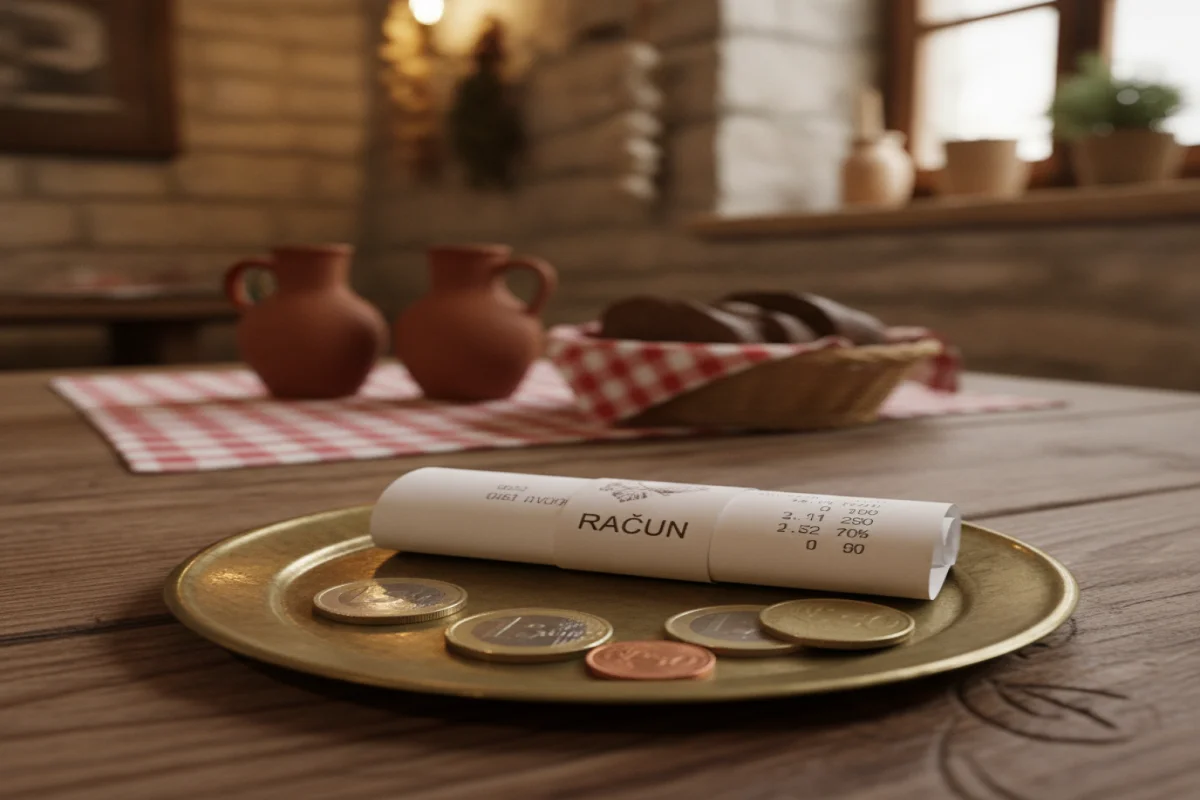
In Croatia, it is essential to understand the fiscal law ('Fiskalni račun'). Businesses are required to issue a fiscal receipt for all transactions, which is crucial for tax purposes. While many museums and historical sites accept credit cards, cash is still widely used, especially in smaller towns. Always ask for a receipt when making a purchase, as it can be beneficial for any potential disputes or refunds.