Current Situation & Pricing Overview 2026 in Croatia
As Croatia continues to embrace its status as a popular tourist destination, the alcohol pricing landscape has evolved significantly post-Euro adoption. In 2026, visitors can expect to see a range of prices influenced by inflation and local economic conditions. The shift to the Euro has standardized prices, making it easier for tourists to budget their spending. However, the coastal areas, especially popular tourist hotspots, tend to be pricier than inland regions.
- Informative estimated average prices in Euros (€)
- Transparent low vs. high peak season price breakdown below
Comprehensive Price Breakdown & Comparison Table 2026
| Item/Service | Low Season Price (€) | High Season Price (€) |
|---|---|---|
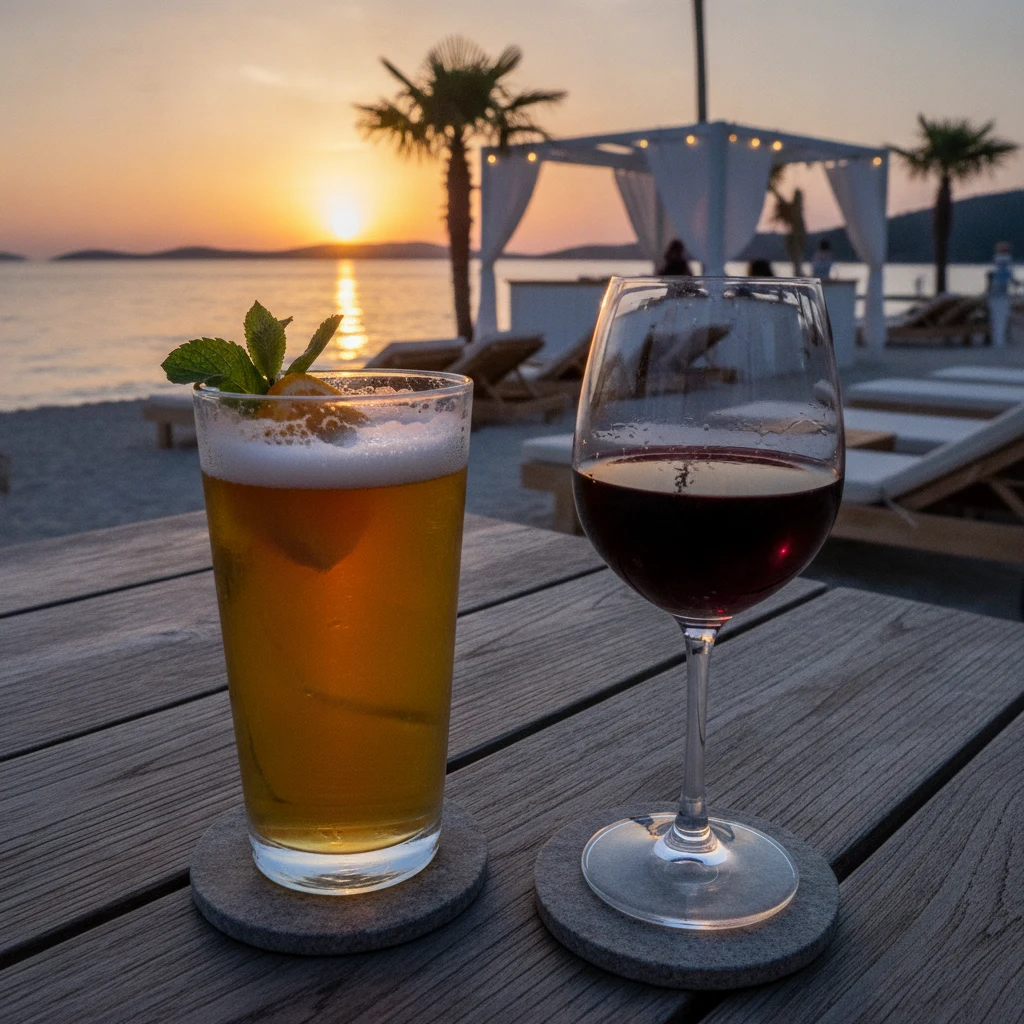
| Local Beer (0.5L) | 3 | 6 |
| Imported Beer (0.5L) | 4 | 8 |
| Glass of Local Wine (0.15L) | 2 | 5 |
| Bottle of Local Wine (0.75L) | 10 | 30 |
| Cocktail (standard) | 6 | 12 |
| Cocktail (premium) | 10 | 20 |
| Spirits (0.5L) | 15 | 30 |
| Soft Drink (0.33L) | 1 | 3 |
Regional Price Variations (Islands vs Coastal vs Inland)
Prices for alcoholic beverages can vary significantly across different regions of Croatia. Coastal areas, particularly popular islands like Hvar and Korčula, often have higher prices due to their tourist-centric economies. For example, a cocktail in Hvar might cost around 12 € during peak season, while the same drink in a less touristy inland town could be as low as 6 €.
In cities like Dubrovnik and Split, expect to pay a premium for drinks in the bustling old towns, where prices can be inflated due to high demand. Conversely, smaller towns like Rovinj may offer more reasonable prices, especially during the off-peak season.
Insider Money-Saving Tips & Tourist Traps to Avoid
- Lunch Specials: Look for 'Marenda' specials, which are local lunch deals often including a drink at a reduced price.
- Grocery Shopping: Purchase drinks from local supermarkets or convenience stores to save money compared to bar prices.
- Dynamic Currency Conversion: Avoid using dynamic currency conversion at ATMs or card machines, as it often results in unfavorable exchange rates.
- Tipping: While not mandatory, rounding up your bill or leaving a small tip (around 10%) is appreciated.
- Happy Hours: Take advantage of happy hour promotions in bars, which can significantly reduce the cost of drinks.
Payment Rules, Card Acceptance & Fiscal Receipts
In Croatia, cash is still widely accepted, but card payments are becoming increasingly common, especially in tourist areas. Most establishments accept major credit and debit cards, but it's advisable to carry some cash for smaller venues or markets.
According to Croatian fiscal law ('Fiskalni račun'), businesses are required to provide a fiscal receipt for every transaction. Always ask for a receipt, as it serves as proof of purchase and can be important for any potential disputes.