Current Situation & Pricing Overview 2026 in Croatia
As Croatia continues to embrace the Euro, the landscape of souvenir shopping has evolved significantly. Post-Euro adoption, prices have seen a moderate increase due to inflation and changing market dynamics. Visitors can expect to pay a bit more for traditional gifts and local delicacies, but the quality and authenticity remain unmatched. In 2026, tourists should be prepared for a diverse range of prices depending on the item and location.
- Informative estimated average prices in Euros (€)
- Transparent low vs. high peak season price breakdown below
Comprehensive Price Breakdown & Comparison Table 2026
| Item | Low Season Price (€) | High Season Price (€) | Notes |
|---|---|---|---|
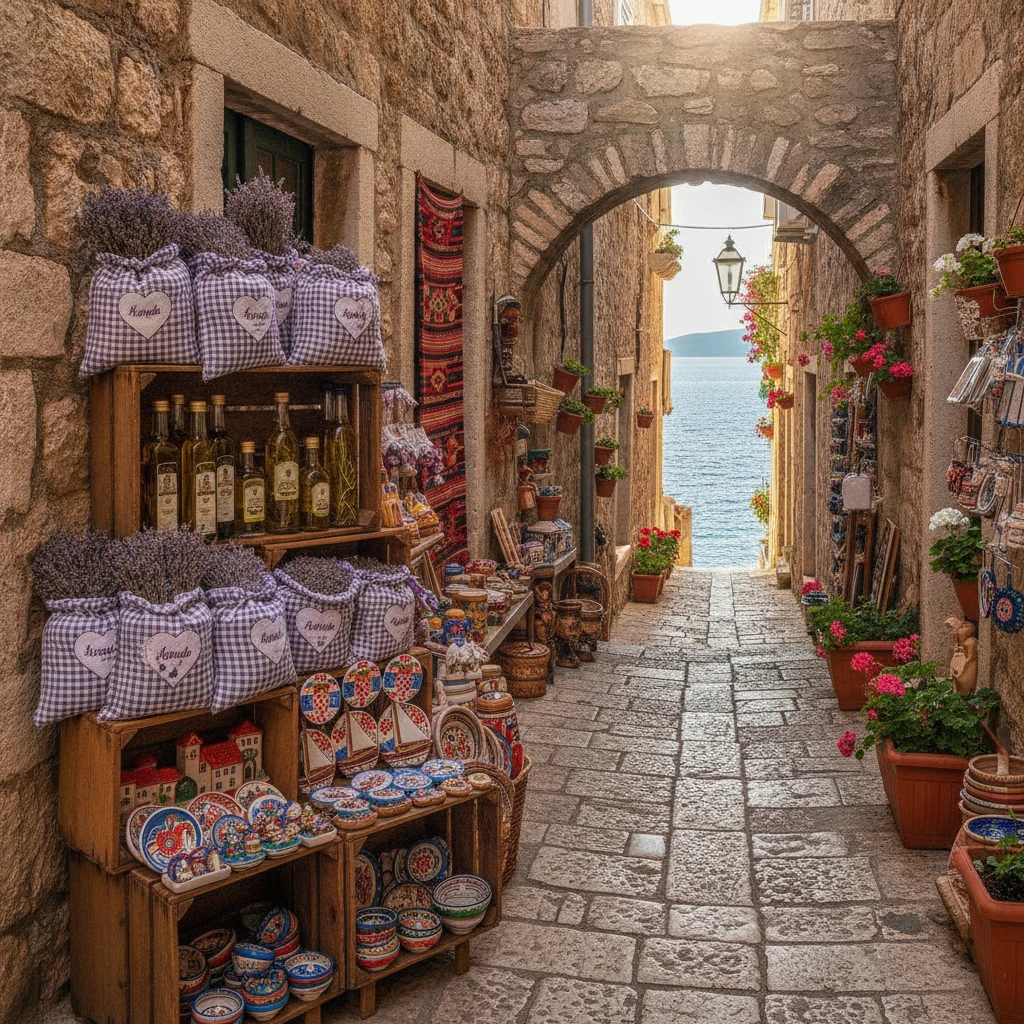
| Traditional Croatian Licitar Heart | 5 | 15 | Available in various sizes and designs |
| Olive Oil (500ml) | 8 | 20 | Quality varies; local brands recommended |
| Local Wine (750ml) | 10 | 30 | Try indigenous varieties for a unique taste |
| Handmade Pottery | 15 | 50 | Prices depend on craftsmanship |
| Croatian Honey (500g) | 6 | 12 | Look for organic options |
| Sea Salt (500g) | 3 | 8 | Great for culinary gifts |
| T-shirts with Croatian motifs | 10 | 25 | Variety of designs available |
| Maraschino Liqueur (700ml) | 15 | 35 | A unique Croatian spirit |
| Croatian Lavender Products | 5 | 20 | Popular in coastal regions |
| Local Crafts (e.g., jewelry) | 20 | 100 | Prices vary by artist |
Regional Price Variations (Islands vs Coastal vs Inland)
Prices for souvenirs can vary significantly across different regions of Croatia. In coastal areas and popular islands like Hvar and Korčula, expect to pay more due to tourist demand. For example, a bottle of local wine may cost around 30 € in Hvar but only 15 € in inland towns like Slavonski Brod. Dubrovnik, known for its high tourist traffic, often has inflated prices, while smaller towns like Rovinj offer more reasonable options.
Insider Money-Saving Tips & Tourist Traps to Avoid
- Look for 'Marenda' Specials: Many local eateries offer lunch specials that are both delicious and affordable.
- Shop at Local Markets: Farmers' markets and artisan fairs often have better prices than tourist shops.
- Avoid Dynamic Currency Conversion: Always choose to pay in Euros to avoid unfavorable exchange rates.
- Tipping Etiquette: While not mandatory, rounding up the bill or leaving a small tip is appreciated.
- Ask for Fiscal Receipts: Always request a receipt (Fiskalni račun) to ensure proper documentation and tax compliance.
Payment Rules, Card Acceptance & Fiscal Receipts
In Croatia, cash is still king, especially in smaller shops and markets. While credit and debit cards are widely accepted in larger establishments, it’s advisable to carry some cash for local purchases. Croatian law requires businesses to issue a fiscal receipt for all transactions, which is important for tax purposes and can be requested at any time. Ensure you keep your receipts, especially for larger purchases, as they may be needed for potential VAT refunds when leaving the EU.