Current Situation & Pricing Overview 2026 in Croatia
As Croatia continues to adapt to the Euro, dining prices have seen a notable shift. After the Euro adoption, inflation has slightly increased costs, particularly in tourist hotspots. Visitors can expect to pay more in coastal cities compared to inland areas. However, the overall price range for pizza and pasta remains affordable, making it a popular choice for tourists and locals alike.
- Informative estimated average prices in Euros (€)
- Transparent low vs. high peak season price breakdown below
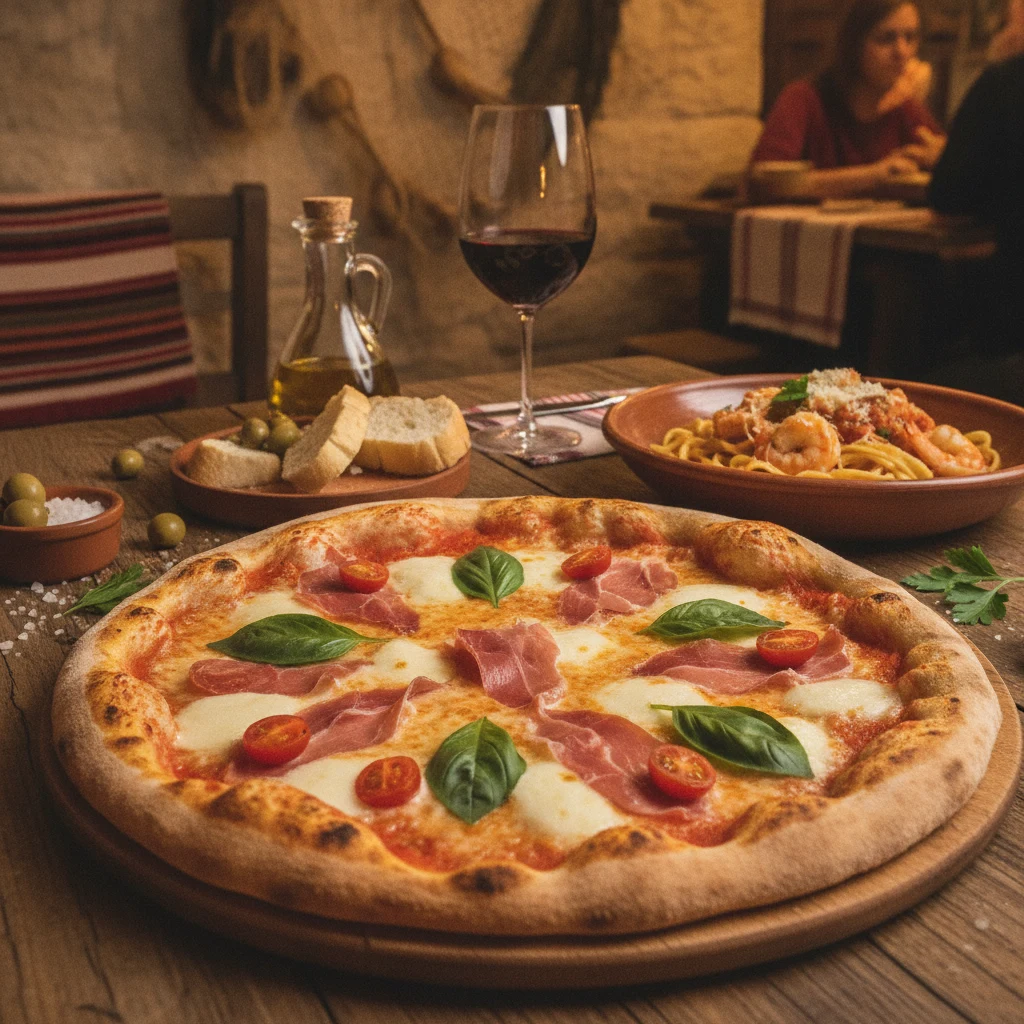
Comprehensive Price Breakdown & Comparison Table 2026
| Dish | Low Season (€) | High Season (€) | Budget (€) | Luxury (€) |
|---|---|---|---|---|
| Margherita Pizza | 6 | 12 | 6 | 12 |
| Pepperoni Pizza | 8 | 15 | 8 | 15 |
| Spaghetti Carbonara | 9 | 18 | 9 | 18 |
| Penne Arrabbiata | 7 | 14 | 7 | 14 |
| Seafood Pasta | 12 | 25 | 12 | 25 |
| Pizza with Local Ingredients | 10 | 20 | 10 | 20 |
| Pasta with Truffles | 15 | 30 | 15 | 30 |
| Lunch Specials (Marenda) | 5 | 10 | 5 | 10 |
Regional Price Variations (Islands vs Coastal vs Inland)
Prices can vary significantly across different regions in Croatia. Coastal towns like Dubrovnik and Split tend to have higher prices due to their popularity among tourists. In contrast, islands such as Hvar and Korčula may offer a mix of high-end dining and more affordable local eateries. Inland areas generally provide lower prices, with local pizzerias and trattorias offering great deals on pizza and pasta.
Insider Money-Saving Tips & Tourist Traps to Avoid
- Look for 'Marenda' lunch specials, which offer substantial meals at lower prices, typically from 11 AM to 2 PM.
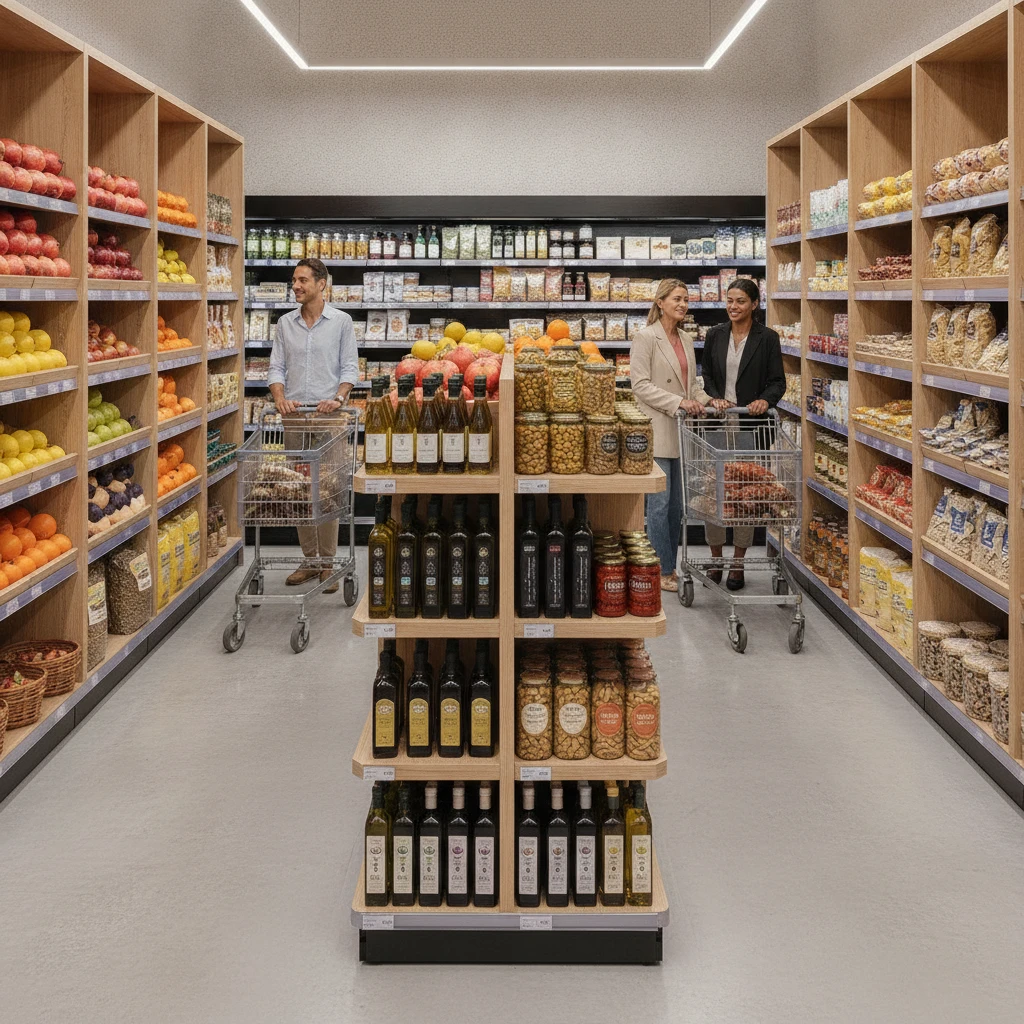
- Consider grocery shopping for ingredients if you have access to a kitchen; local markets often have fresh produce and affordable pasta.
- Avoid restaurants directly on the waterfront; they often charge a premium for the view.
- Be cautious with dynamic currency conversion at ATMs; always choose to pay in local currency to avoid extra fees.
- Always ask for a fiscal receipt ('Fiskalni račun') to ensure you are charged correctly and for potential warranty purposes.
Payment Rules, Card Acceptance & Fiscal Receipts
In Croatia, both cash and card payments are widely accepted. However, smaller establishments may prefer cash. It’s essential to ask for a fiscal receipt ('Fiskalni račun') after your purchase, as it is a legal requirement in Croatia. This receipt serves as proof of your transaction and is necessary for any potential disputes or warranty claims.