Current Situation & Pricing Overview 2026 in Croatia
As Croatia embraces the Euro, the swimming pool maintenance market has seen a shift in pricing dynamics. The adoption of the Euro has led to increased transparency in pricing, but inflation has also impacted costs. In 2026, property owners and tourists can expect to pay more for maintenance services compared to previous years, particularly in coastal areas where demand is high. The beautiful beaches and seaside resorts attract many visitors, making pool maintenance a vital service for property owners.
- Informative estimated average prices in Euros (€)
- Transparent low vs. high peak season price breakdown below
Comprehensive Price Breakdown & Comparison Table 2026
| Service | Low Season (€) | High Season (€) | Notes |
|---|---|---|---|
| Pool Cleaning | 50 | 100 | Frequency varies by demand |
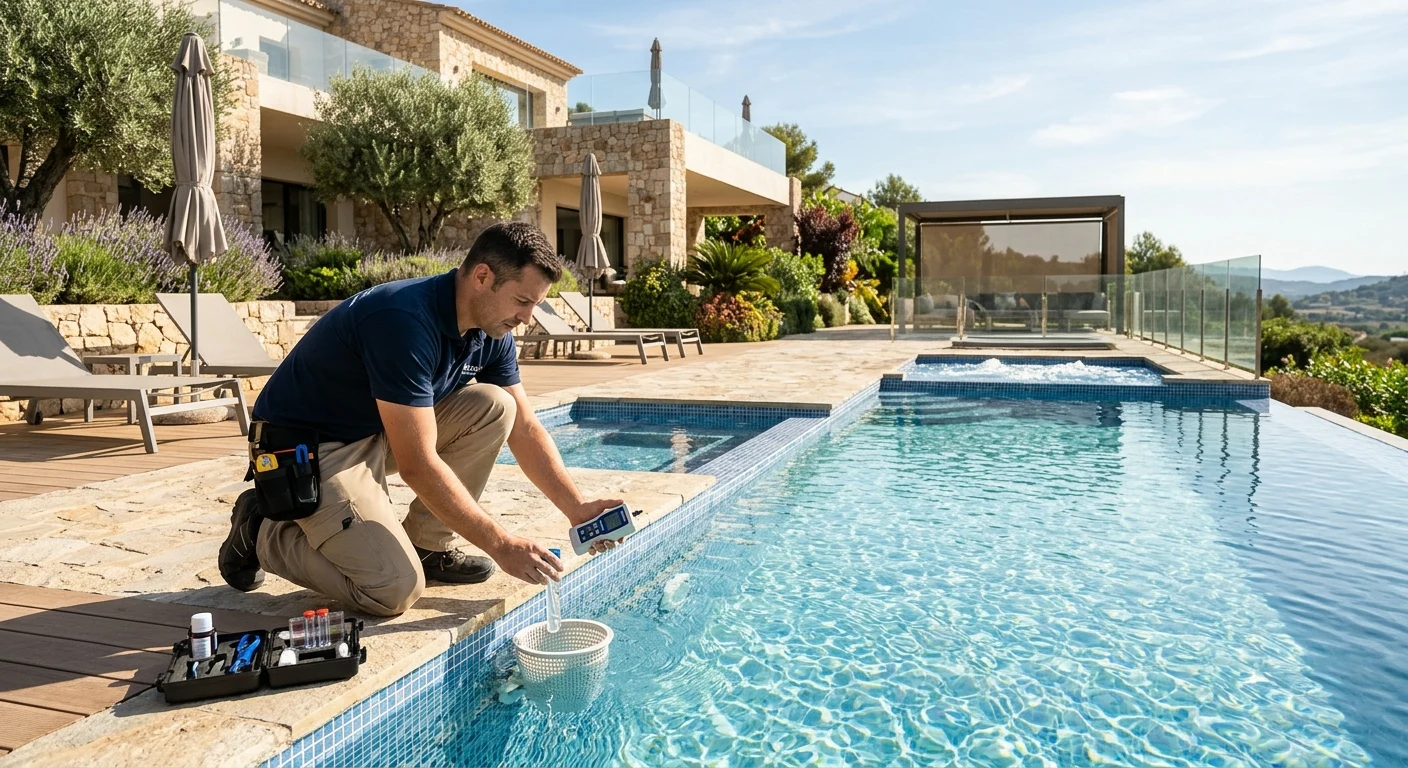
| Water Testing | 15 | 30 | Essential for chemical balance |
| Chemical Supply | 20 | 50 | Monthly subscription available |
| Pump Maintenance | 80 | 150 | Annual service recommended |
| Filter Replacement | 100 | 200 | Every 2-3 years |
| Pool Cover Installation | 200 | 500 | Varies by size and type |
| Heater Installation | 300 | 600 | Optional for extended use |
| Seasonal Opening/Closing | 150 | 300 | Important for winterization |
Regional Price Variations (Islands vs Coastal vs Inland)
In Croatia, the cost of swimming pool maintenance can vary significantly depending on the region. Coastal areas, such as Dubrovnik and Split, often have higher prices due to the influx of tourists and the demand for luxury services. Islands like Hvar and Korčula also see elevated costs, particularly during the summer months. In contrast, inland areas may offer more competitive pricing, but the availability of specialized services might be limited.
Insider Money-Saving Tips & Tourist Traps to Avoid
- Local Lunch Specials: Look for 'Marenda' deals in local restaurants for affordable meals.
- Grocery Shopping: Purchase pool chemicals and supplies at local supermarkets to save money.
- ATM Fees: Avoid dynamic currency conversion at ATMs; always choose to be charged in Euros.
- Tipping Etiquette: A small tip (10%) is appreciated but not mandatory; check if service is included.
Payment Rules, Card Acceptance & Fiscal Receipts
In Croatia, it is important to understand the fiscal law ('Fiskalni račun') which mandates that all businesses provide a fiscal receipt for services rendered. Most establishments accept credit and debit cards, but it's advisable to carry some cash, especially in rural areas. Always ask for a receipt, as it ensures that your transaction is recorded and can be useful for any disputes.