Current Situation & Pricing Overview 2026 in Croatia
As Croatia continues to embrace its new currency, the Euro, the pricing landscape for cultural attractions has seen some shifts. Post-Euro adoption, many entry fees have increased slightly due to inflation and the rising costs of maintaining historical sites. Visitors can expect to pay between 5 € to 40 € for entry to various museums and historical sites, depending on the location and significance of the site.
In 2026, the average cost for visiting a museum or historical site is approximately 10 € to 20 €, with some iconic locations charging higher fees during peak tourist seasons. It's essential for travelers to budget accordingly and be aware of the seasonal pricing variations.
- Informative estimated average prices in Euros (€)
- Transparent low vs. high peak season price breakdown below
Comprehensive Price Breakdown & Comparison Table 2026
| Service | Low Season Price (€) | High Season Price (€) |
|---|---|---|
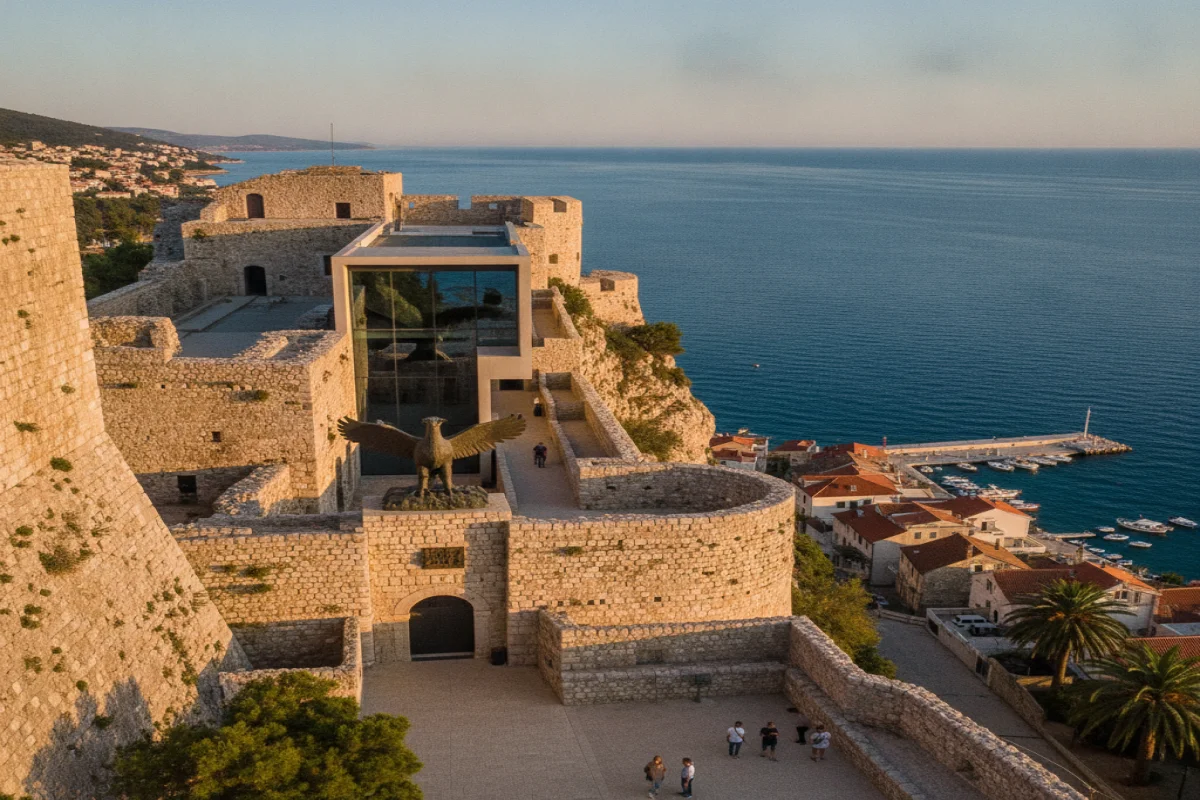
| Dubrovnik City Walls | 30 | 40 |
| Split Diocletian's Palace | 10 | 15 |
| Hvar Fortress | 5 | 10 |
| Zagreb Museum of Broken Relationships | 8 | 12 |
| Pula Arena | 10 | 20 |
| Korčula Town Museum | 6 | 10 |
| Rovinj Heritage Museum | 5 | 10 |
| National Park Krka | 15 | 30 |
| Museum of Contemporary Art, Zagreb | 5 | 10 |
| Sibenik Cathedral | 5 | 10 |
Regional Price Variations (Islands vs Coastal vs Inland)
Prices for entry to museums and historical sites can vary significantly across different regions of Croatia. Coastal areas, especially popular tourist destinations like Dubrovnik and Split, tend to have higher entry fees due to the influx of tourists. For example, the Dubrovnik City Walls charge around 30 € to 40 € during peak season.
In contrast, lesser-known inland museums, such as those in Slavonia, may charge as little as 5 € to 10 € for entry. Islands like Hvar and Korčula also offer a mix of pricing, with some historical sites charging more during the summer months when tourism peaks.
Insider Money-Saving Tips & Tourist Traps to Avoid
- Lunch Specials: Look for local 'Marenda' specials in restaurants, which offer affordable meals at lunchtime.
- Grocery Shopping: Buy snacks and drinks from local grocery stores instead of tourist shops to save money.
- Dynamic Currency Conversion: Avoid using dynamic currency conversion at ATMs, as it often results in higher fees. Always choose to be charged in local currency.
- Tipping Etiquette: Tipping is appreciated but not mandatory. A small tip of 10% is customary in restaurants.
- Free Entry Days: Take advantage of free entry days at museums, which are often advertised online.
Payment Rules, Card Acceptance & Fiscal Receipts
In Croatia, it is essential to understand the fiscal law regarding receipts. When making a purchase, always ask for a 'Fiskalni račun' (fiscal receipt), as this is a legal requirement for businesses. It ensures that the transaction is recorded for tax purposes and protects you as a consumer.
Most museums and historical sites accept major credit and debit cards, but it's wise to carry some cash, especially in smaller towns or less touristy areas where card acceptance may be limited. Always check before entering a site to ensure you have the appropriate payment method ready.