Current Situation & Pricing Overview 2026 in Croatia
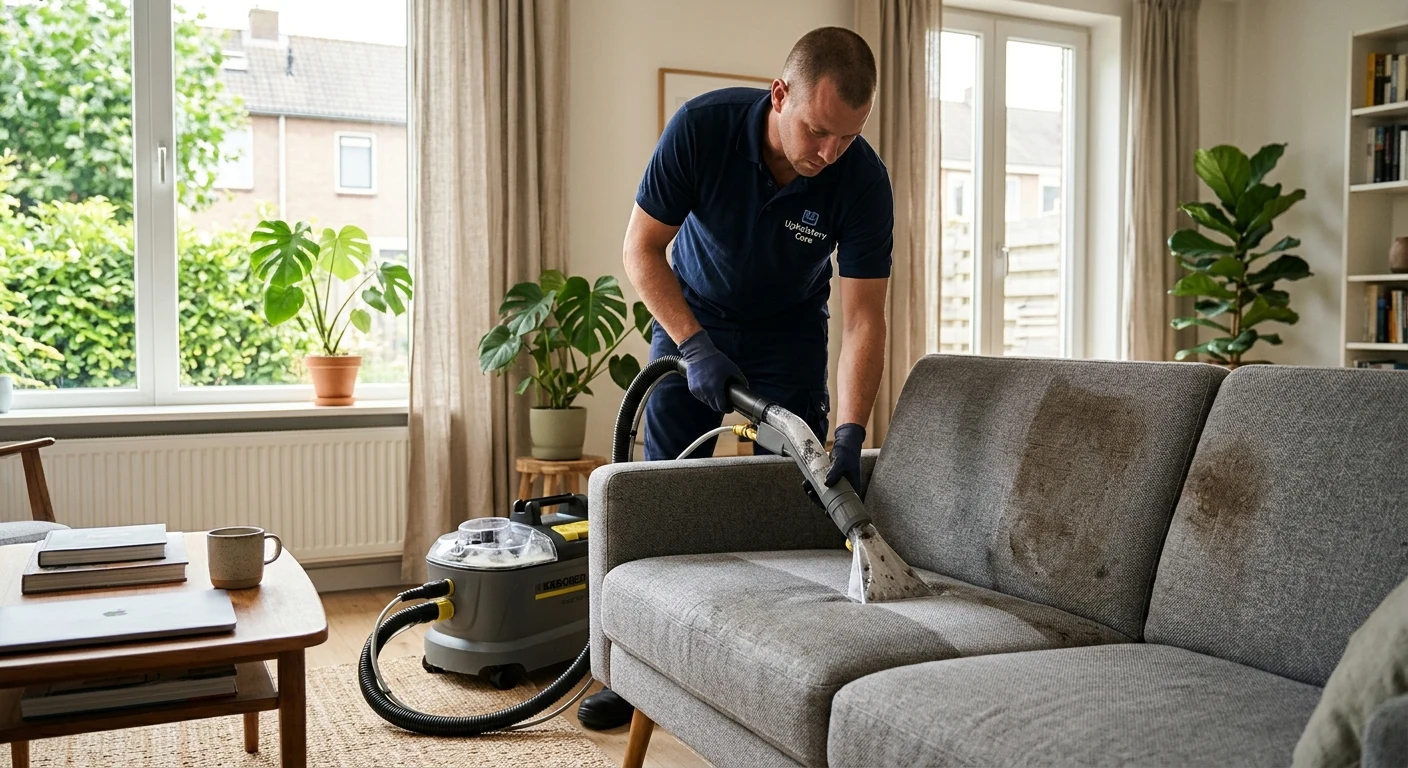
As Croatia continues to embrace its status as a premier tourist destination, the demand for quality cleaning services, particularly upholstery and mattress deep cleaning, has surged. Since the adoption of the Euro, prices have seen a moderate increase due to inflation and the rising cost of living. Visitors can expect to pay between 30 € to 150 € for various cleaning services, depending on the item and the season.
- Informative estimated average prices in Euros (€)
- Transparent low vs. high peak season price breakdown below
Comprehensive Price Breakdown & Comparison Table 2026
| Service | Low Season Price (€) | High Season Price (€) |
|---|---|---|
| Sofa Cleaning | 50 | 100 |
| Mattress Cleaning | 30 | 70 |
| Armchair Cleaning | 25 | 60 |
| Carpet Cleaning (per m²) | 5 | 15 |
| Upholstery Stain Removal | 15 | 50 |
| Deep Cleaning Package (Sofa + Mattress) | 70 | 150 |
Regional Price Variations (Islands vs Coastal vs Inland)
Prices for upholstery and mattress cleaning can vary significantly across different regions of Croatia. Coastal areas like Dubrovnik and Split tend to have higher prices due to their popularity among tourists. In contrast, inland regions may offer more competitive rates. Islands such as Hvar and Korčula often reflect a mix of both, with prices slightly elevated during the summer months.
Insider Money-Saving Tips & Tourist Traps to Avoid
- Local Lunch Specials: Look for 'Marenda' specials in local eateries for budget-friendly meals.
- Grocery Shopping Hacks: Purchase cleaning supplies at local supermarkets instead of tourist shops for better prices.
- Avoid Dynamic Currency Conversion: Always choose to pay in local currency to avoid unfavorable exchange rates.
- Tipping Etiquette: Tipping is appreciated but not mandatory; rounding up the bill is common.
Payment Rules, Card Acceptance & Fiscal Receipts
In Croatia, it is essential to request a fiscal receipt ('Fiskalni račun') for any service, including cleaning. This is a legal requirement and protects you as a consumer. Most establishments accept credit and debit cards, but it’s wise to carry some cash, especially in rural areas or smaller islands where card facilities may be limited.