Current Situation & Pricing Overview 2026 in Croatia
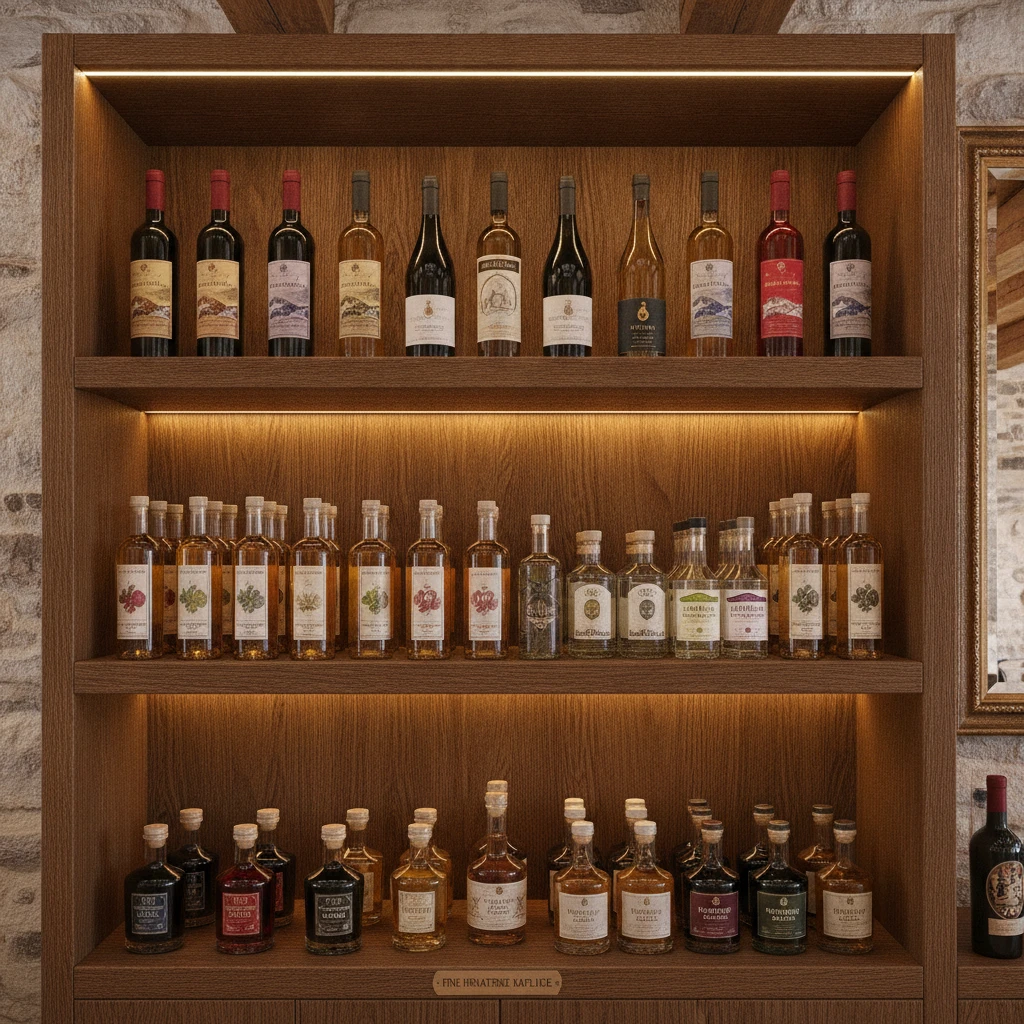
As Croatia embraces the Euro, the pricing landscape for alcohol and cigarettes has undergone significant changes. With inflation and the shift to a unified currency, visitors can expect to see a moderate increase in prices compared to previous years. In 2026, tourists should budget accordingly, especially in popular coastal areas where demand drives prices higher.
- Informative estimated average prices in Euros (€)
- Transparent low vs. high peak season price breakdown below
Comprehensive Price Breakdown & Comparison Table 2026
| Item | Low Season Price (€) | High Season Price (€) |
|---|---|---|
| Local Beer (0.5L) | 2 | 4 |
| Imported Beer (0.5L) | 3 | 5 |
| Wine (0.75L) | 5 | 15 |
| Cocktail | 6 | 12 |
| Cigarettes (pack of 20) | 4 | 6 |
| Spirits (0.5L) | 10 | 25 |
Regional Price Variations (Islands vs Coastal vs Inland)
Prices for alcohol and cigarettes can vary significantly across different regions of Croatia. Coastal areas, particularly tourist hotspots like Dubrovnik, Split, and Hvar, tend to have higher prices due to increased demand. In contrast, inland towns and less frequented islands like Korčula may offer more competitive pricing. For instance, a local beer might cost 3 € in a coastal bar but only 2 € in a local tavern in the countryside.
Insider Money-Saving Tips & Tourist Traps to Avoid
- Look for 'Marenda': Many local eateries offer lunch specials that include drinks at a reduced price.
- Shop at Supermarkets: Buying alcohol and cigarettes at supermarkets can save you money compared to bars and restaurants.
- Avoid Dynamic Currency Conversion: Always choose to pay in Euros to avoid unfavorable exchange rates.
- Ask for Fiscal Receipts: Always request a receipt, as it ensures you are charged correctly and helps with any disputes.
- Tipping Etiquette: While tipping is appreciated, it's not obligatory. A small tip of around 10% is sufficient if service is good.
Payment Rules, Card Acceptance & Fiscal Receipts
In Croatia, cash is still widely accepted, but card payments are becoming increasingly common, especially in urban areas and tourist spots. It's advisable to carry some cash for smaller establishments. According to Croatian fiscal law ('Fiskalni račun'), businesses are required to issue a receipt for every transaction, which is crucial for transparency and consumer protection. Always ask for a receipt to ensure proper accounting and to avoid any potential issues.