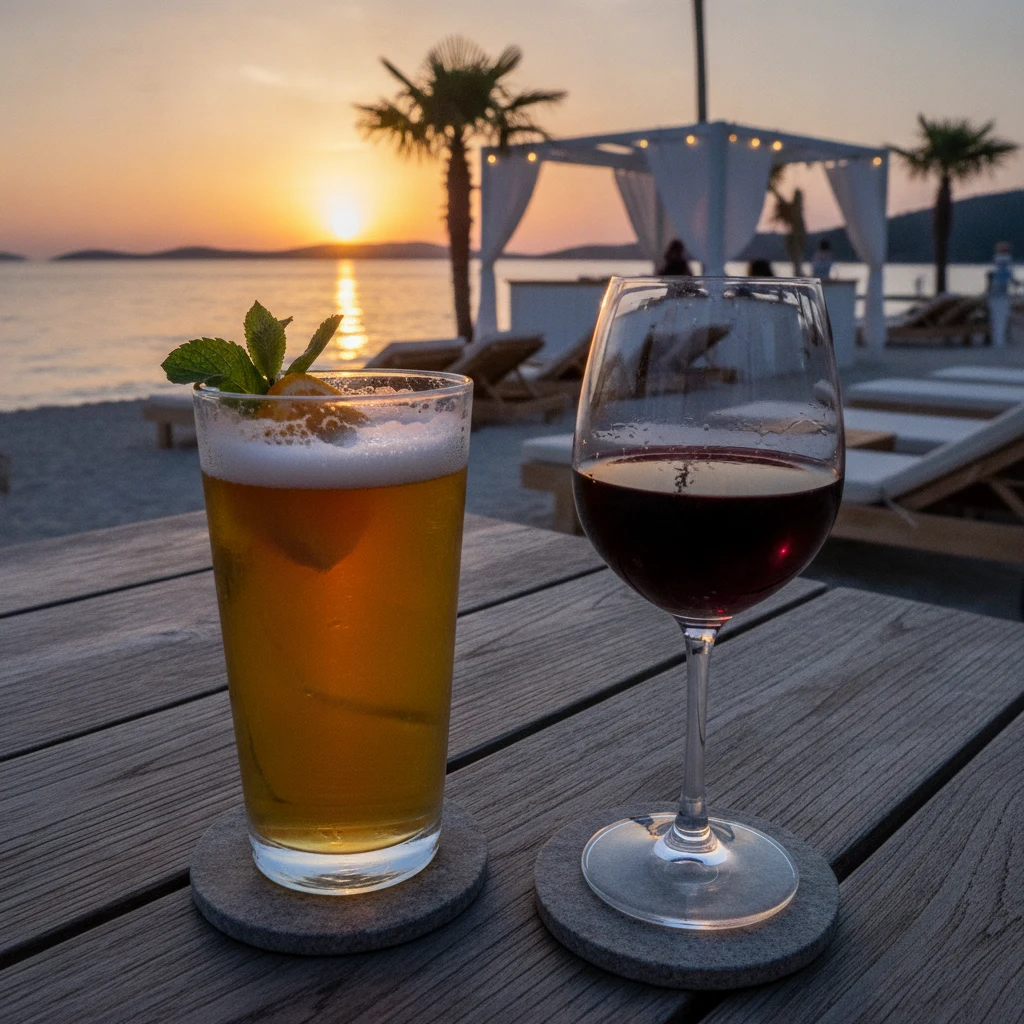
Current Situation & Pricing Overview 2026 in Croatia
As Croatia continues to embrace its identity as a premier Mediterranean destination, the seafood market has evolved significantly post-Euro adoption. In 2026, seafood prices reflect a blend of inflation and increased demand, particularly in coastal regions where fresh fish is a staple. Visitors can expect to pay a bit more than in previous years, but the quality and variety of seafood available remain exceptional.
Fresh fish and seafood are integral to Croatian cuisine, especially along the picturesque coastline dotted with stunning beaches and charming seaside towns. The Adriatic Sea provides a rich bounty, making it a must-try for any food lover visiting the country.
- Informative estimated average prices in Euros (€)
- Transparent low vs. high peak season price breakdown below
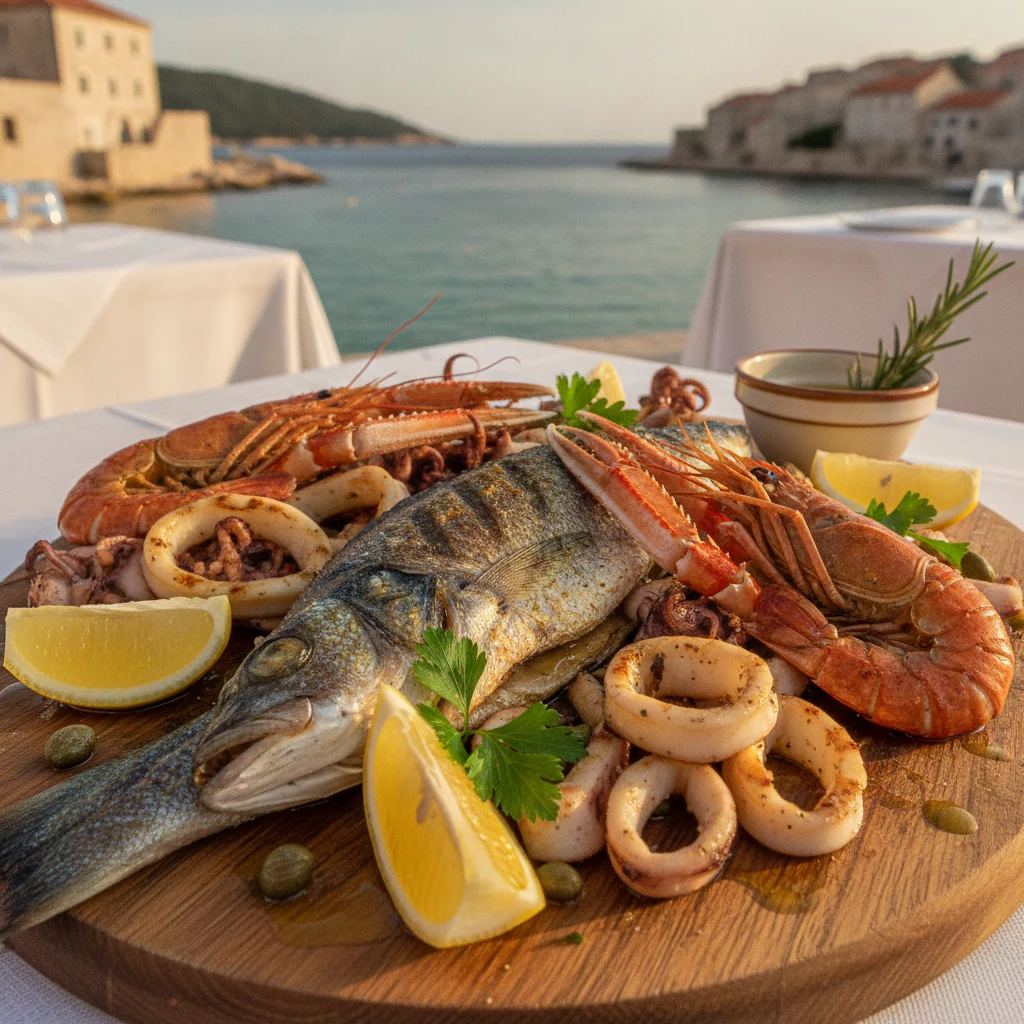
Comprehensive Price Breakdown & Comparison Table 2026
| Seafood Item | Low Season Price (€) | High Season Price (€) |
|---|---|---|
| Fresh Adriatic Fish | 15 € | 30 € |
| Seafood Platter in Restaurants | 25 € | 60 € |
| Shrimp (Wild) | 20 € | 40 € |
| Octopus (Fresh) | 18 € | 35 € |
| Mussels (Farmed) | 10 € | 20 € |
| Fish Soup | 8 € | 15 € |
Regional Price Variations (Islands vs Coastal vs Inland)
When it comes to seafood pricing, there are notable differences across Croatia's regions. The islands, such as Hvar and Korčula, often see higher prices due to their remote locations and reliance on imports. In contrast, coastal cities like Split and Dubrovnik offer a wider variety of fresh seafood at competitive prices, thanks to their proximity to fishing ports.
Inland areas, while not as renowned for seafood, still offer some options, albeit at lower prices compared to coastal regions. Expect to find more affordable seafood dishes in local bistros and markets away from tourist hotspots.
Insider Money-Saving Tips & Tourist Traps to Avoid
- Look for 'Marenda': Many local restaurants offer lunch specials called 'Marenda' at reduced prices, providing a great way to enjoy seafood without breaking the bank.
- Shop at Local Markets: Buying seafood directly from local markets can save you money compared to dining out.
- Avoid Dynamic Currency Conversion: When using ATMs or paying by card, opt for transactions in Euros to avoid unfavorable exchange rates.
- Ask for Fiscal Receipts: Always request a 'Fiskalni račun' (fiscal receipt) to ensure your transaction is recorded and to avoid potential issues with service quality.
- Tipping Etiquette: While tipping is appreciated, it’s not mandatory. A tip of around 10% is customary for good service.
Payment Rules, Card Acceptance & Fiscal Receipts
In Croatia, most establishments accept credit and debit cards, especially in tourist areas. However, it’s advisable to carry some cash for smaller vendors and markets. Always ask for a fiscal receipt ('Fiskalni račun') when making purchases, as this is required by Croatian law and helps ensure transparency in transactions.
Be aware that some restaurants may add a service charge to your bill, so check before tipping. Overall, understanding these payment norms can enhance your dining experience in Croatia.