Current Situation & Pricing Overview 2026 in Croatia
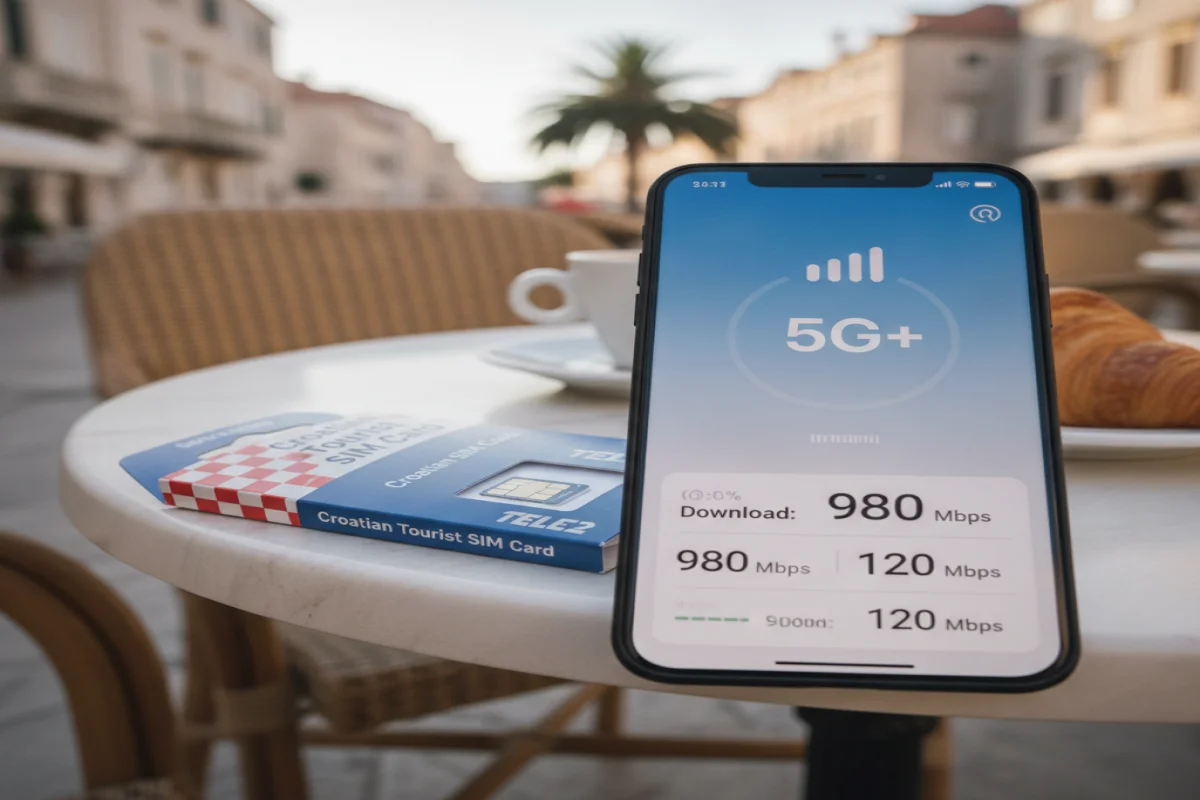
As of 2026, Croatia has fully embraced the Euro, leading to a shift in pricing dynamics across various services, including mobile connectivity. The adoption of the Euro has brought about a moderate increase in prices due to inflation, but competitive market conditions among local telecom providers have kept SIM card and mobile internet prices relatively affordable for tourists. Visitors can expect to pay between 10 € and 30 € for a prepaid tourist SIM card, with data packages ranging from 10 € for 5GB to 25 € for 10GB, making it easier to stay connected while enjoying Croatia's stunning seaside and islands.
- Informative estimated average prices in Euros (€)
- Transparent low vs. high peak season price breakdown below
Comprehensive Price Breakdown & Comparison Table 2026
| Service | Low Season Price (€) | High Season Price (€) |
|---|---|---|
| Prepaid Tourist SIM Card | 10 € | 30 € |
| Data Package (5GB) | 10 € | 15 € |
| Data Package (10GB) | 15 € | 25 € |
| Mobile Wi-Fi Hotspot Rental | 5 € | 15 € |
| International Calls (per minute) | 0.10 € | 0.50 € |
| Local Calls (per minute) | 0.05 € | 0.20 € |
Regional Price Variations (Islands vs Coastal vs Inland)
Prices for SIM cards and mobile internet can vary significantly depending on the region you are visiting. Coastal areas and popular islands like Hvar and Korčula may have slightly higher prices due to tourist demand, while inland regions may offer more competitive rates. Here’s a brief overview of what to expect:
- Coastal Cities (Dubrovnik, Split, Rovinj): Expect to pay a premium for convenience, with SIM cards averaging around 25 € during peak season.
- Popular Islands (Hvar, Korčula): Prices can be similar to coastal cities, but availability may vary, so purchase early.
- Inland Areas: Generally lower prices, with SIM cards available for as little as 10 € in smaller towns.
Insider Money-Saving Tips & Tourist Traps to Avoid
To maximize your budget while staying connected in Croatia, consider the following tips:
- Look for Local Lunch Specials: Many restaurants offer 'Marenda' specials, which are affordable meal options available during lunch hours.
- Grocery Shopping: Purchase snacks and drinks at local grocery stores instead of tourist shops to save money.
- Avoid Dynamic Currency Conversion: Always choose to pay in local currency (HRK) when using your card to avoid unfavorable exchange rates.
- ATM Fees: Use ATMs affiliated with your bank to minimize withdrawal fees.
- Tipping Etiquette: A small tip (around 10%) is appreciated but not mandatory; rounding up the bill is common.
Payment Rules, Card Acceptance & Fiscal Receipts
In Croatia, cash is still widely accepted, but credit and debit cards are increasingly common, especially in tourist areas. Here are some key points to remember:
- Fiscal Receipts: Always ask for a 'Fiskalni račun' (fiscal receipt) when making a purchase, as it is required by Croatian law and can be useful for warranty claims.
- Card Acceptance: Most establishments accept major credit cards (Visa, Mastercard), but smaller shops may only take cash.
- Currency: While Croatia has adopted the Euro, some prices may still be displayed in Croatian Kuna (HRK), so be aware of the conversion rates.