Current Situation & Pricing Overview 2026 in Croatia
As Croatia embraces the Euro, the landscape of boat maintenance costs has evolved significantly. The transition has led to increased transparency in pricing, though inflation has also played a role in the overall cost of services. In 2026, visitors can expect to pay a premium for quality boat cleaning and detailing services, especially in popular coastal areas.
- Informative estimated average prices in Euros (€)
- Transparent low vs. high peak season price breakdown below
Comprehensive Price Breakdown & Comparison Table 2026
| Service | Low Season (€) | High Season (€) |
|---|---|---|
| Basic Boat Cleaning | 50 | 100 |
| Full Boat Detailing | 150 | 300 |
| Hull Cleaning | 80 | 150 |
| Interior Cleaning | 60 | 120 |
| Waxing and Polishing | 100 | 200 |
| Teak Deck Cleaning | 70 | 140 |
| Engine Room Cleaning | 100 | 250 |
| Antifouling Application | 200 | 400 |
| Mobile Boat Cleaning Service | 80 | 180 |
| Seasonal Maintenance Package | 300 | 600 |
Regional Price Variations (Islands vs Coastal vs Inland)
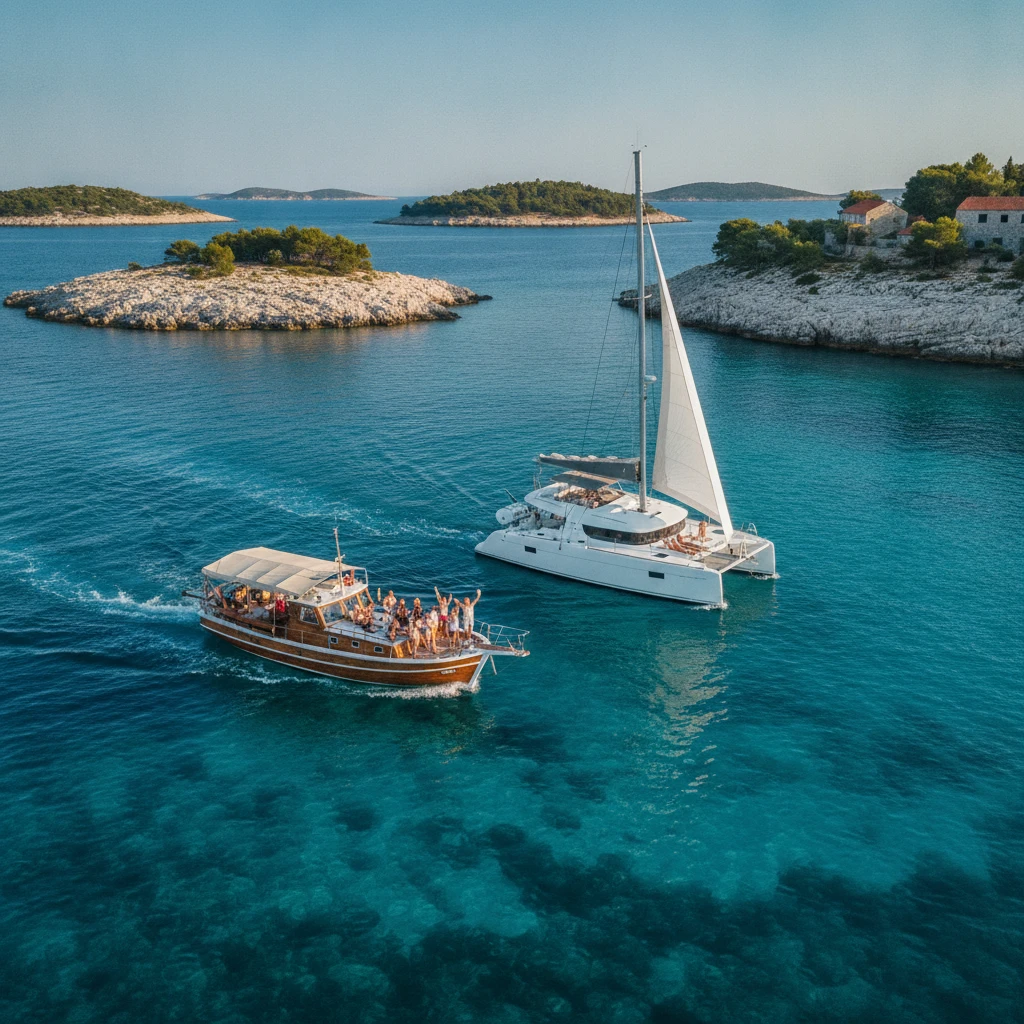
Prices for boat cleaning and detailing services can vary significantly depending on the location. Coastal hotspots like Dubrovnik and Split tend to have higher rates due to demand, while services in less touristy areas may be more affordable. For instance, Hvar and Korčula, being popular islands, often charge a premium compared to inland towns.
Insider Money-Saving Tips & Tourist Traps to Avoid
- Lunch Specials: Look for local 'Marenda' specials, which offer great value for money.
- Grocery Shopping: Purchase cleaning supplies at local supermarkets rather than tourist shops for better prices.
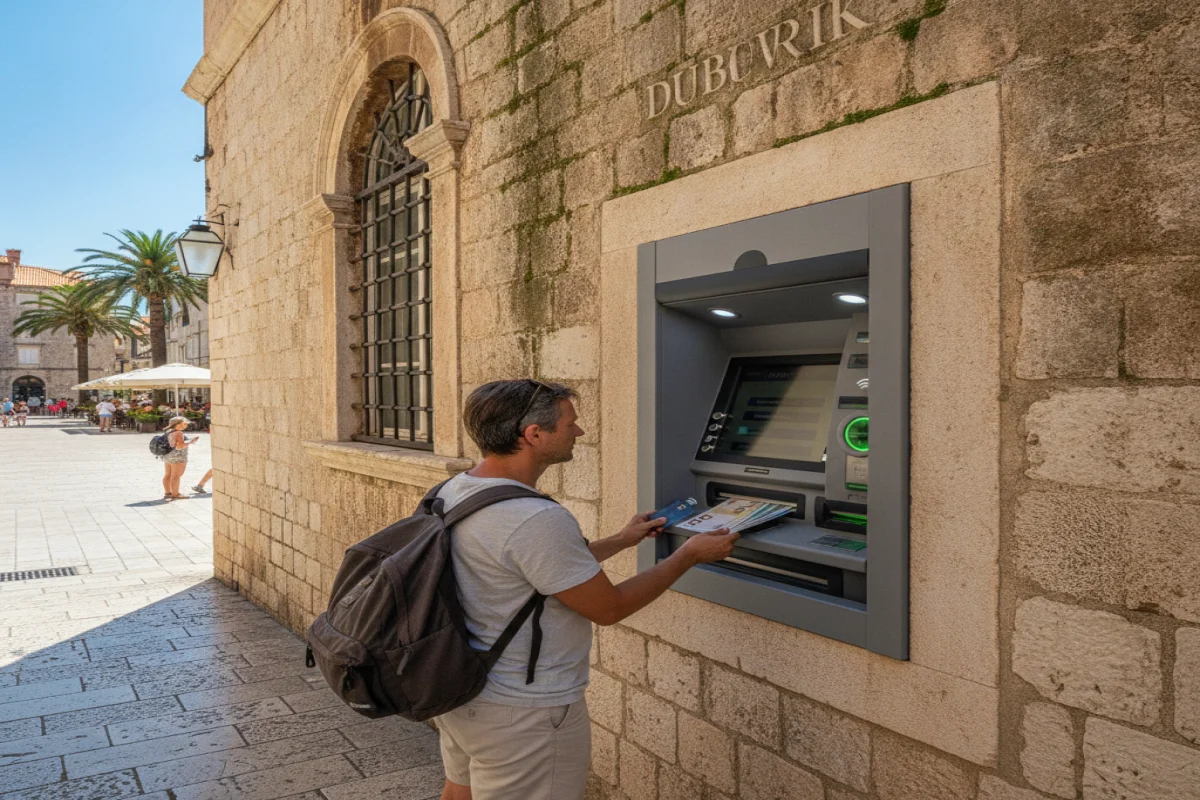
- Dynamic Currency Conversion: Avoid using ATMs that offer currency conversion services; they often charge high fees.
- Tipping Etiquette: A small tip (around 10%) is appreciated but not mandatory in Croatia.
Payment Rules, Card Acceptance & Fiscal Receipts
In Croatia, it is essential to request a fiscal receipt ('Fiskalni račun') for any service, including boat cleaning. This is not only a legal requirement but also protects you as a consumer. Most service providers accept major credit cards, but it's wise to confirm beforehand, especially in remote areas where cash may be preferred.