Current Situation & Pricing Overview 2026 in Croatia
As Croatia continues to embrace its Euro adoption, national park entrance fees have seen a shift in pricing structures. In 2026, visitors can expect a range of fees that reflect both the popularity of the parks and the seasonal demand. The inflationary pressures post-Euro adoption have led to slight increases in fees, but the value of experiencing Croatia's natural beauty remains unparalleled. Most national parks now offer tiered pricing based on age, with discounts for children, students, and seniors.
- Informative estimated average prices in Euros (€)
- Transparent low vs. high peak season price breakdown below
Comprehensive Price Breakdown & Comparison Table 2026
| National Park | Low Season Fee (€) | High Season Fee (€) | Notes |
|---|---|---|---|
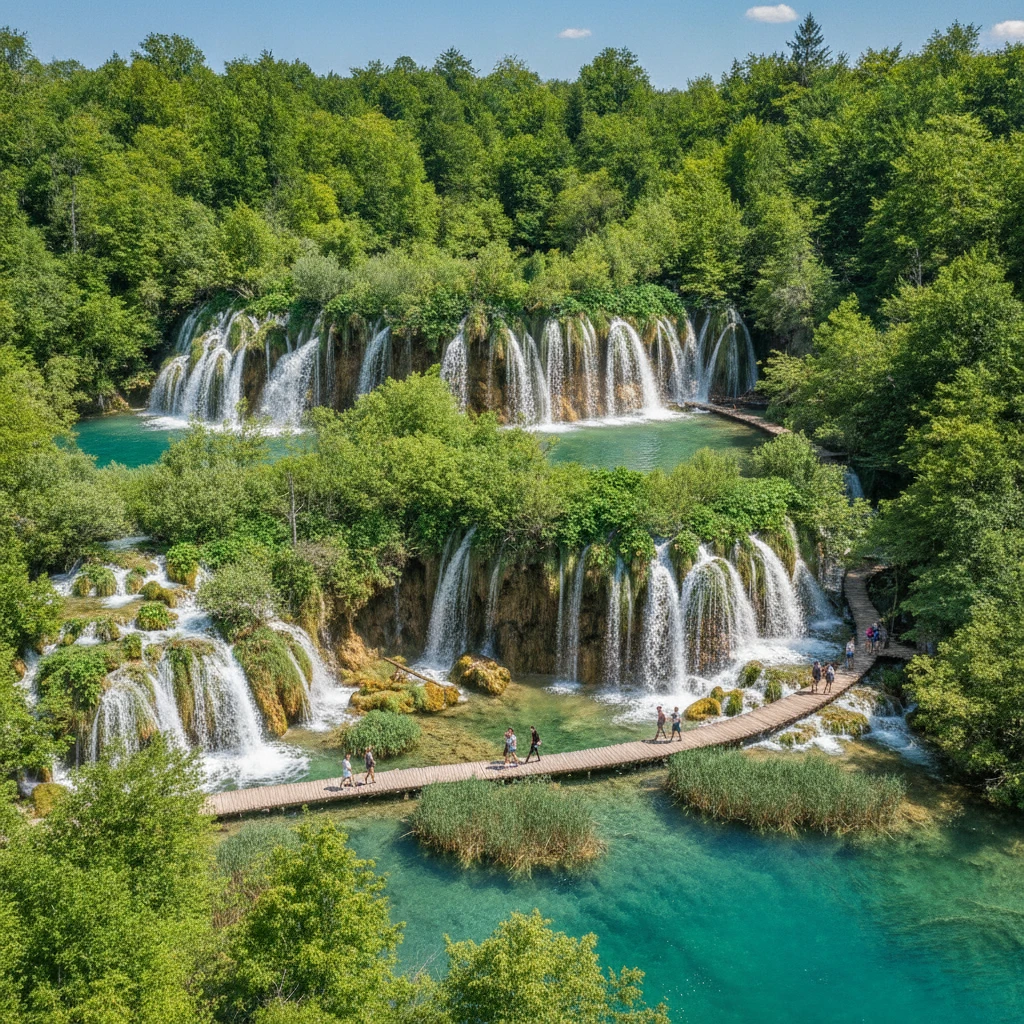
| Plitvice Lakes | 15 € | 45 € | Discounts for students and seniors |
| Krka | 10 € | 30 € | Free entry for children under 7 |
| Brijuni | 12 € | 25 € | Includes boat transfer |
| Paklenica | 8 € | 20 € | Free entry on certain holidays |
| Mljet | 10 € | 22 € | Includes access to the island |
| Kornati | 20 € | 50 € | Boat tours available |
Regional Price Variations (Islands vs Coastal vs Inland)
Prices for national park entrance fees can vary significantly based on location. Coastal parks like Krka and Kornati tend to be more expensive during peak tourist season due to their popularity among beachgoers and marine enthusiasts. In contrast, inland parks such as Paklenica may offer lower fees and fewer crowds, making them ideal for budget-conscious travelers. Islands like Hvar and Korčula also have unique pricing structures, often including ferry costs in their entrance fees.
Insider Money-Saving Tips & Tourist Traps to Avoid
- Lunch Specials: Look for 'Marenda' specials at local eateries, offering affordable meals during lunch hours.
- Grocery Shopping: Purchase snacks and drinks at supermarkets rather than tourist shops to save money.
- Dynamic Currency Conversion: Avoid using dynamic currency conversion at ATMs; always choose to pay in local currency for better rates.
- Tipping Etiquette: Tipping is appreciated but not mandatory; rounding up the bill is common practice.
Payment Rules, Card Acceptance & Fiscal Receipts
In Croatia, it is crucial to understand the fiscal law ('Fiskalni račun'), which mandates that businesses provide a fiscal receipt for every transaction. Most national parks accept major credit cards, but carrying cash is advisable, especially in less touristy areas. Always ask for a receipt after your purchase; it not only serves as proof of payment but is also necessary for any potential refunds or disputes.