Current Situation & Pricing Overview 2026 in Croatia
As of 2026, Croatia has fully embraced the Euro, which has significantly impacted pricing across various sectors. The transition has led to a mix of price stability and inflation, with many goods and services reflecting a slight increase in cost. Tourists can expect to pay more than they would have in the past, particularly in popular coastal areas and tourist hotspots. Understanding the current financial landscape is essential for effective budgeting during your stay.
- Informative estimated average prices in Euros (€)
- Transparent low vs. high peak season price breakdown below
Comprehensive Price Breakdown & Comparison Table 2026
| Service | Low Season (€) | High Season (€) |
|---|---|---|
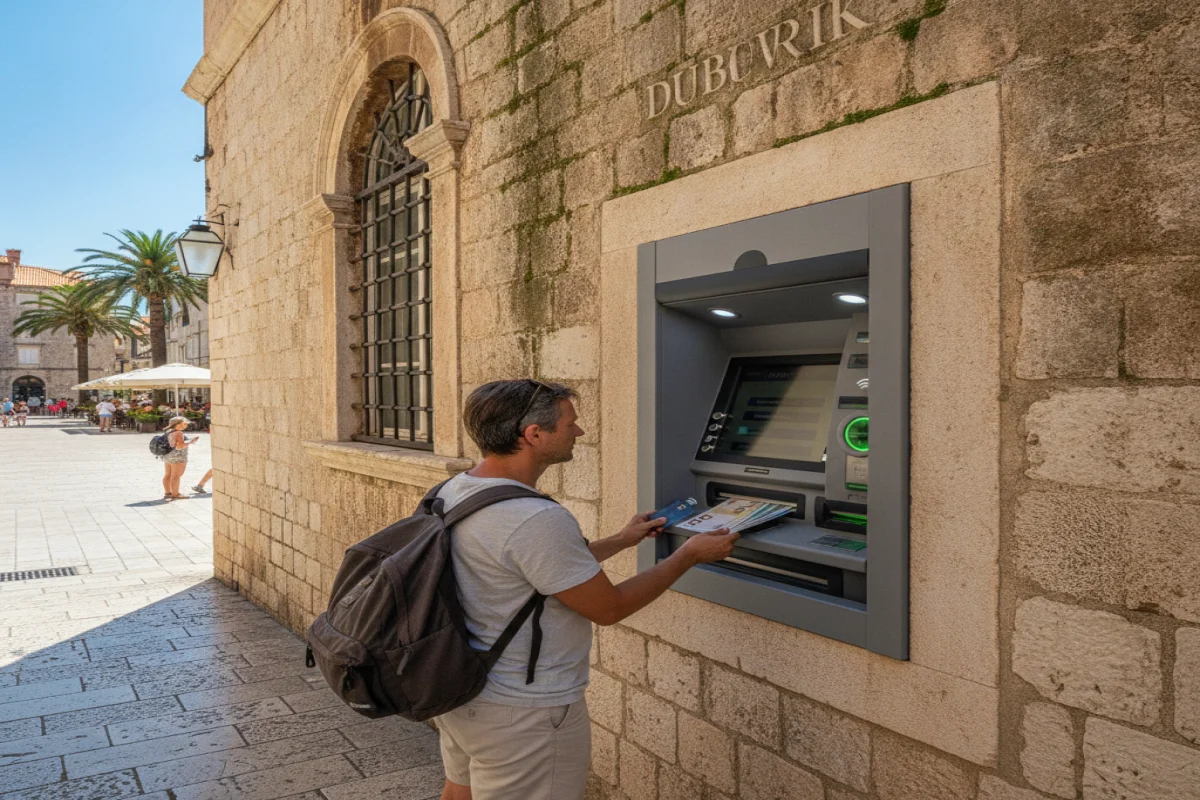
| ATM Withdrawal Fee | 2 | 5 |
| Local Meal (Restaurant) | 10 | 25 |
| Coffee (Café) | 1.50 | 4 |
| Bus Ticket (Local) | 1 | 3 |
| Beach Umbrella Rental | 5 | 15 |
| Wine Bottle (Local) | 5 | 15 |
Regional Price Variations (Islands vs Coastal vs Inland)
Price variations in Croatia can be significant depending on the region. Coastal areas, especially tourist hotspots like Dubrovnik and Hvar, tend to have higher prices due to demand. In contrast, inland areas such as Slavonia offer more affordable options. Here’s a brief overview:
- Islands (Hvar, Korčula): Higher prices for dining and accommodation, especially in peak season.
- Coastal Towns (Dubrovnik, Split, Rovinj): Expect premium pricing for meals and activities, particularly in the summer.
- Inland Areas: Generally more budget-friendly, with lower costs for food and services.
Insider Money-Saving Tips & Tourist Traps to Avoid
To make the most of your budget while enjoying Croatia, consider these insider tips:
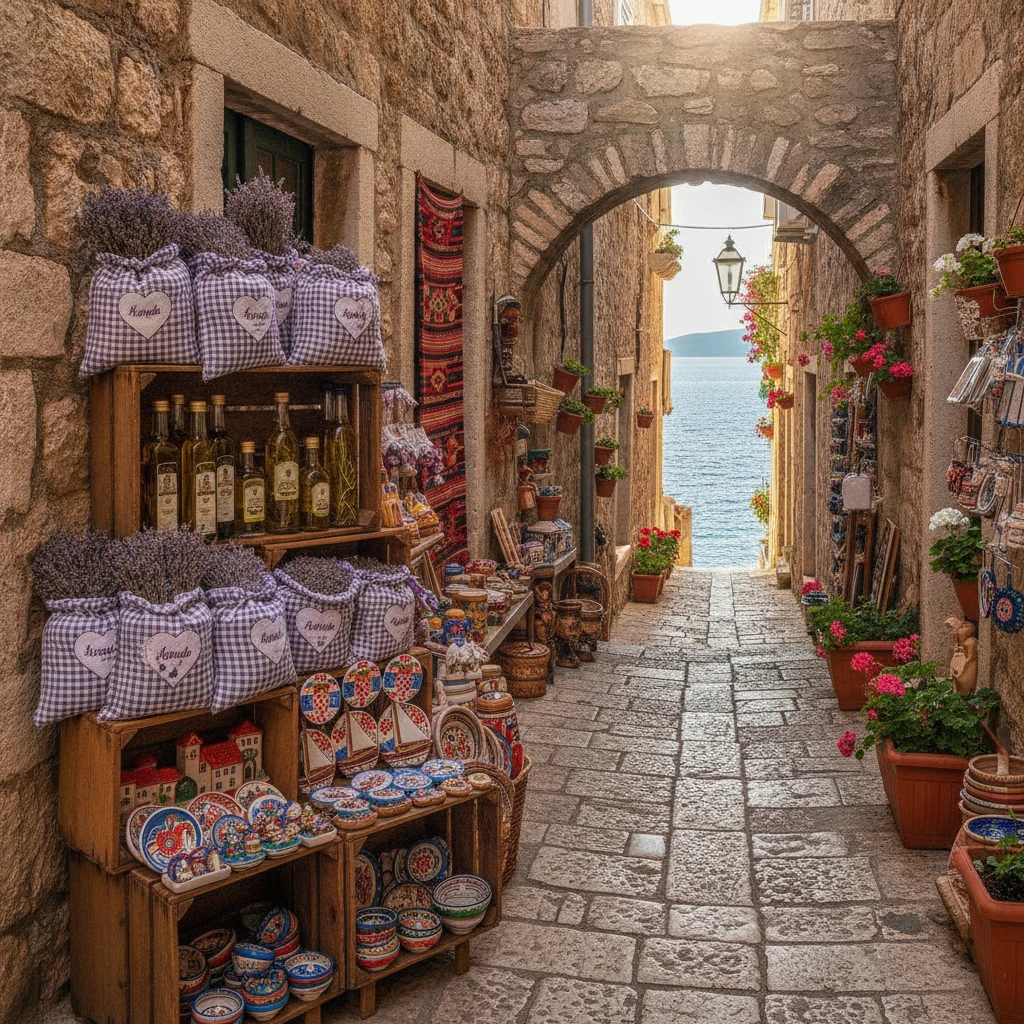
- Local Lunch Specials ('Marenda'): Look for local eateries offering 'Marenda' for affordable meals during lunch hours.
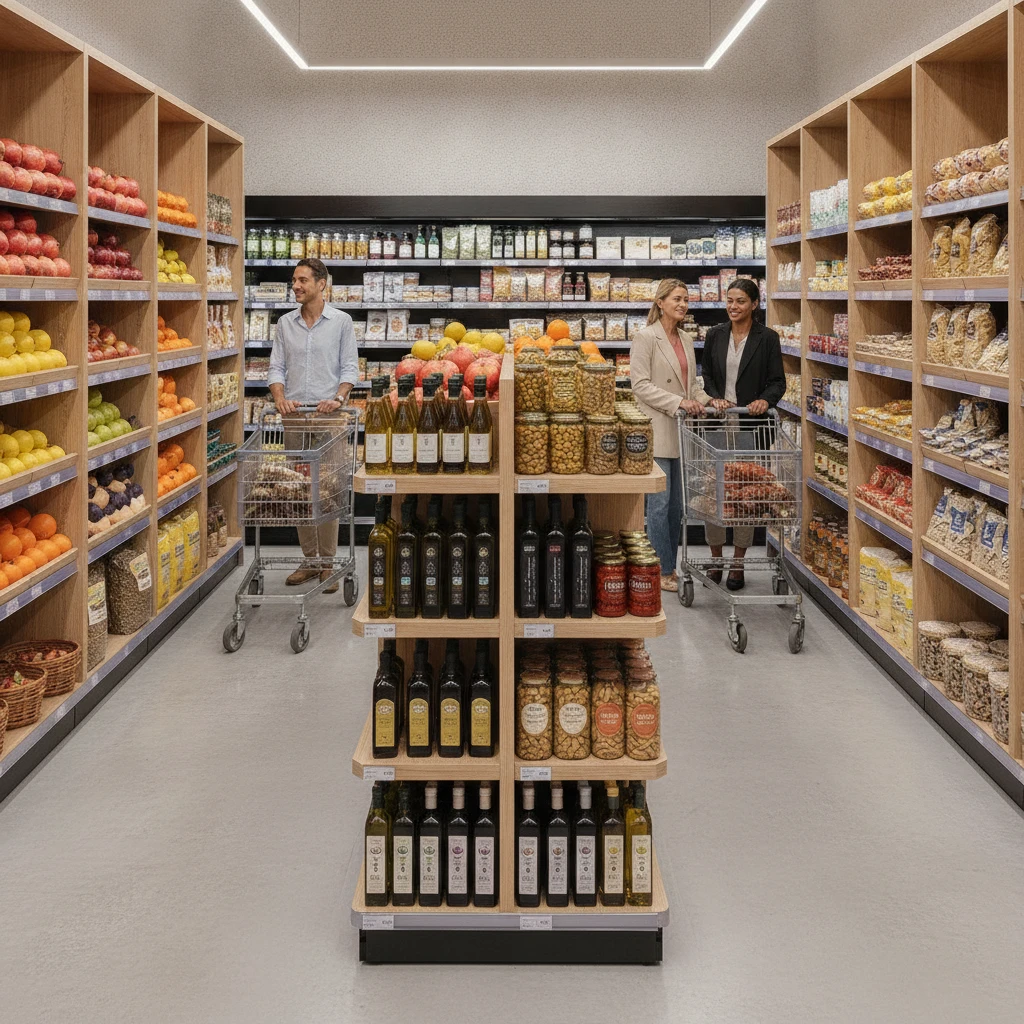
- Grocery Shopping: Purchase snacks and drinks from local supermarkets instead of tourist shops to save money.
- ATM Traps: Be cautious of ATMs that offer dynamic currency conversion. Always choose to withdraw in Euros to avoid extra fees.
- Tipping Etiquette: While tipping is appreciated, it’s not obligatory. A small tip of around 10% is sufficient for good service.
Payment Rules, Card Acceptance & Fiscal Receipts
In Croatia, both cash and card payments are widely accepted, but it’s essential to understand the local fiscal laws:
- Fiscal Receipts ('Fiskalni račun'): Always request a receipt when making a purchase. This is important for tax purposes and ensures that the business is compliant with Croatian law.
- Card Acceptance: Most establishments accept major credit and debit cards, but smaller shops and rural areas may prefer cash.
- Cash vs Card: While cards are convenient, having cash on hand is crucial for small purchases, especially in less touristy areas.