Current Situation & Pricing Overview 2026 in Croatia
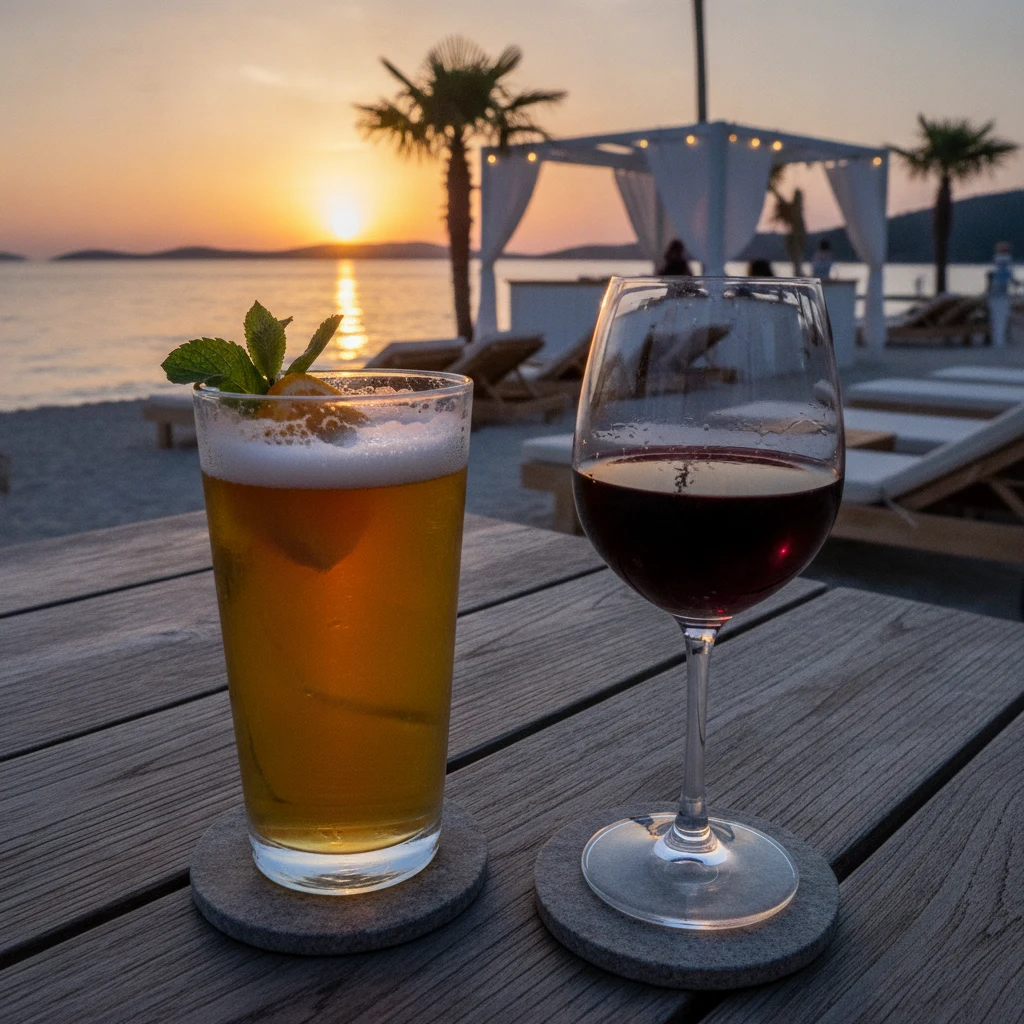
As Croatia embraces the Euro, the landscape of alcohol pricing has seen notable changes. Post-Euro adoption, inflation has influenced costs, but the country remains an affordable destination for vacationers. Visitors can expect to pay reasonable prices for local beers, wines, and cocktails, especially in coastal regions where tourism thrives.
In 2026, the average price for a local beer is around 2 € to 5 €, while cocktails can range from 6 € to 12 €. Wine lovers will find local wines priced between 10 € and 30 € per bottle, making it easy to enjoy the rich Croatian viticulture.
- Informative estimated average prices in Euros (€)
- Transparent low vs. high peak season price breakdown below
Comprehensive Price Breakdown & Comparison Table 2026
| Item | Low Season Price (€) | High Season Price (€) |
|---|---|---|
| Local Beer (0.5L) | 2 | 5 |
| Imported Beer (0.5L) | 3 | 6 |
| Local Wine (glass) | 3 | 8 |
| Local Wine (bottle) | 10 | 30 |
| Cocktails | 6 | 12 |
| Spirits (0.5L) | 15 | 30 |
Regional Price Variations (Islands vs Coastal vs Inland)
Price variations in Croatia are influenced by geographical factors. Coastal towns and islands, such as Hvar and Korčula, often have higher prices due to their popularity among tourists. For instance, a cocktail in Dubrovnik might cost around 10 € to 12 €, while the same drink in a less touristy inland town could be as low as 6 €.
Inland areas generally offer more affordable options, with local wines and beers priced lower than their coastal counterparts. For example, in towns like Slavonski Brod, a local beer might only cost 2 € compared to 4 € in Split.
Insider Money-Saving Tips & Tourist Traps to Avoid
- Lunch Specials: Look for 'Marenda' specials in local eateries, offering substantial meals at reduced prices.
- Grocery Shopping: Purchase alcohol from supermarkets for significantly lower prices than bars or restaurants.
- ATM Traps: Avoid dynamic currency conversion at ATMs; always choose to pay in Euros to avoid hidden fees.
- Tipping Etiquette: While tipping is appreciated, rounding up your bill or leaving a small percentage is often sufficient.
Payment Rules, Card Acceptance & Fiscal Receipts
In Croatia, it is essential to understand the fiscal law ('Fiskalni račun'), which mandates that businesses provide a receipt for every transaction. This is crucial for your records and may be necessary for warranty claims or returns.
Most establishments accept credit and debit cards, but it's wise to carry some cash, especially in smaller towns or markets. Always ask for a receipt when paying, as it ensures transparency and compliance with local laws.