Estimated Price Guide 2026
Croatia
Overview & Availability in Croatia
In Croatia, emergency dental services are provided by various clinics and private practitioners, particularly in coastal and island regions popular with tourists. During the peak tourist season, response times can vary, but many clinics are equipped to handle emergencies promptly, often within a few hours. Most emergency dentists are available 24/7, ensuring that help is just a call away, whether you're enjoying the beaches of Split or the islands of Hvar and Korčula.
Key Pricing Takeaways:
- Informative estimated average prices in Euros (€)
- Transparent low vs. high peak season price breakdown below

Cost & Pricing Guide 2026
| Service | Price Range (€) | Unit |
|---|---|---|
| Initial Consultation | 50 € – 100 € | per visit |
| Tooth Extraction | 80 € – 150 € | per tooth |
| Root Canal Treatment | 200 € – 400 € | per tooth |
| Dental Filling | 60 € – 120 € | per filling |
| Emergency Call-Out Fee | 30 € – 50 € | per callout |
| Night/Weekend Surcharge | 20 € – 50 € | per service |
| Dental Materials (e.g., crowns, bridges) | 100 € – 500 € | per item |
Step-by-Step Action Plan: What to Do
- Stay calm and assess the situation. Identify the nature of the dental emergency.
- Use your smartphone to share your GPS location via WhatsApp with the dental clinic for precise directions.
- If you have international health insurance, contact your provider to check coverage for emergency dental services.
- Gather any necessary documents, such as your insurance card and identification, before heading to the clinic.
- Follow local safety rules, especially if you are on steep coastal roads or using ferry services to reach island clinics.
Local Insider Tips for Croatia
When navigating dental emergencies in Croatia, consider these local nuances:
- Ferry logistics can affect your travel time to island clinics; plan accordingly.
- Be aware of peak tourist traffic, especially in July and August, which may delay your journey to a dental office.
- Local service etiquette includes being polite and patient, as dental professionals may be busy during peak seasons.
Payments, Receipts & Avoiding Scams
In Croatia, it is essential to understand the payment landscape:
- Most clinics accept both cash and credit cards, but smaller practices may prefer cash.
- Always request a detailed estimate before any treatment begins to avoid unexpected costs.
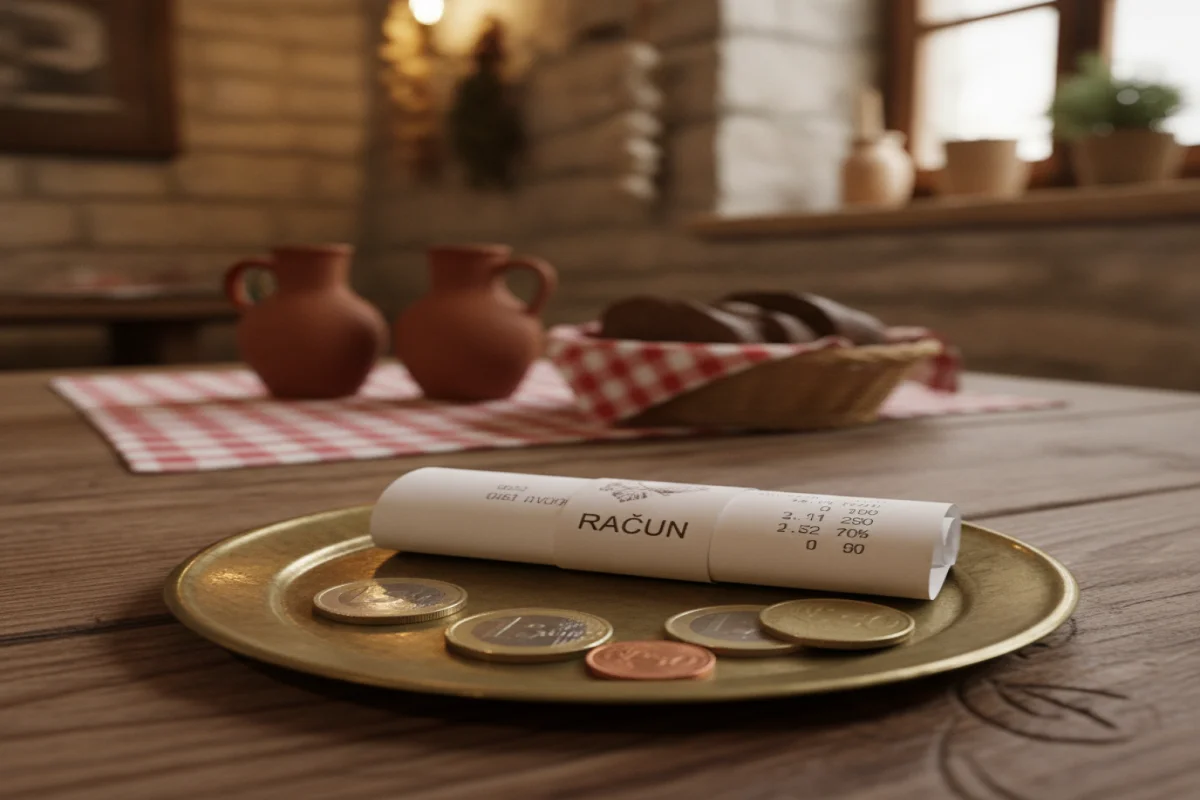
- After payment, ensure you receive a fiscal receipt ('Račun'), which is a legal requirement in Croatia and may be needed for insurance claims.