Current Situation & Pricing Overview 2026 in Croatia
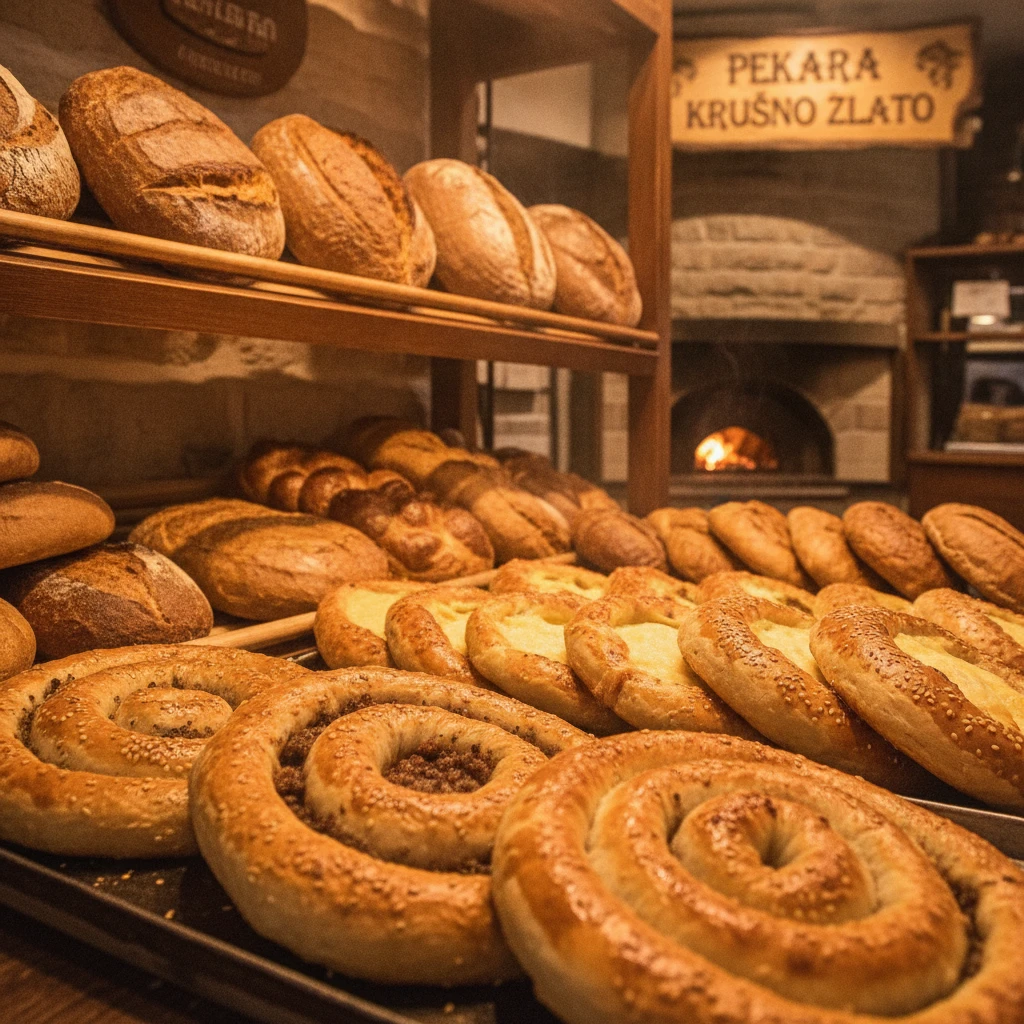
As Croatia continues to embrace the Euro, the culinary landscape has seen a shift in pricing, particularly in street food and bakery items. The inflationary pressures post-Euro adoption have led to a moderate increase in prices, but the affordability of local delicacies like burek and pastries remains attractive for international tourists. Expect to budget around 10-15 € for a satisfying meal that includes a pastry and a drink.
- Informative estimated average prices in Euros (€)
- Transparent low vs. high peak season price breakdown below
Comprehensive Price Breakdown & Comparison Table 2026
| Item | Low Season Price (€) | High Season Price (€) |
|---|---|---|
| Burek (cheese) | 2 | 4 |
| Burek (meat) | 3 | 5 |
| Croatian Pastry (Kiflice) | 1 | 3 |
| Palačinke (Crepes) | 2 | 6 |
| Bakery Bread Loaf | 1 | 2 |
| Coffee (Espresso) | 1.50 | 3 |
| Local Lunch Special (Marenda) | 5 | 10 |
| Pastry Assortment | 5 | 15 |
| Street Food Combo (Burek + Drink) | 5 | 8 |
| Ice Cream | 2 | 4 |
Regional Price Variations (Islands vs Coastal vs Inland)
Prices for bakery items and street food can vary significantly across different regions in Croatia. In tourist-heavy areas such as Hvar and Korčula, expect to pay a premium for the same items compared to inland towns. For instance, a piece of burek may cost around 4-5 € in Dubrovnik, while in a smaller town like Slavonski Brod, it could be as low as 2-3 €.
- Coastal Areas: Higher prices due to tourism.
- Island Prices: Generally higher due to transportation costs.
- Inland Areas: More affordable options, with prices reflecting local demand.
Insider Money-Saving Tips & Tourist Traps to Avoid
To make the most of your culinary experience without breaking the bank, consider these tips:
- Look for 'Marenda': Many local eateries offer lunch specials that are both filling and affordable.
- Shop at Local Markets: Buying pastries and bread from bakeries in local markets can save you money.
- Avoid Tourist Traps: Restaurants near major tourist attractions often charge more for the same food.
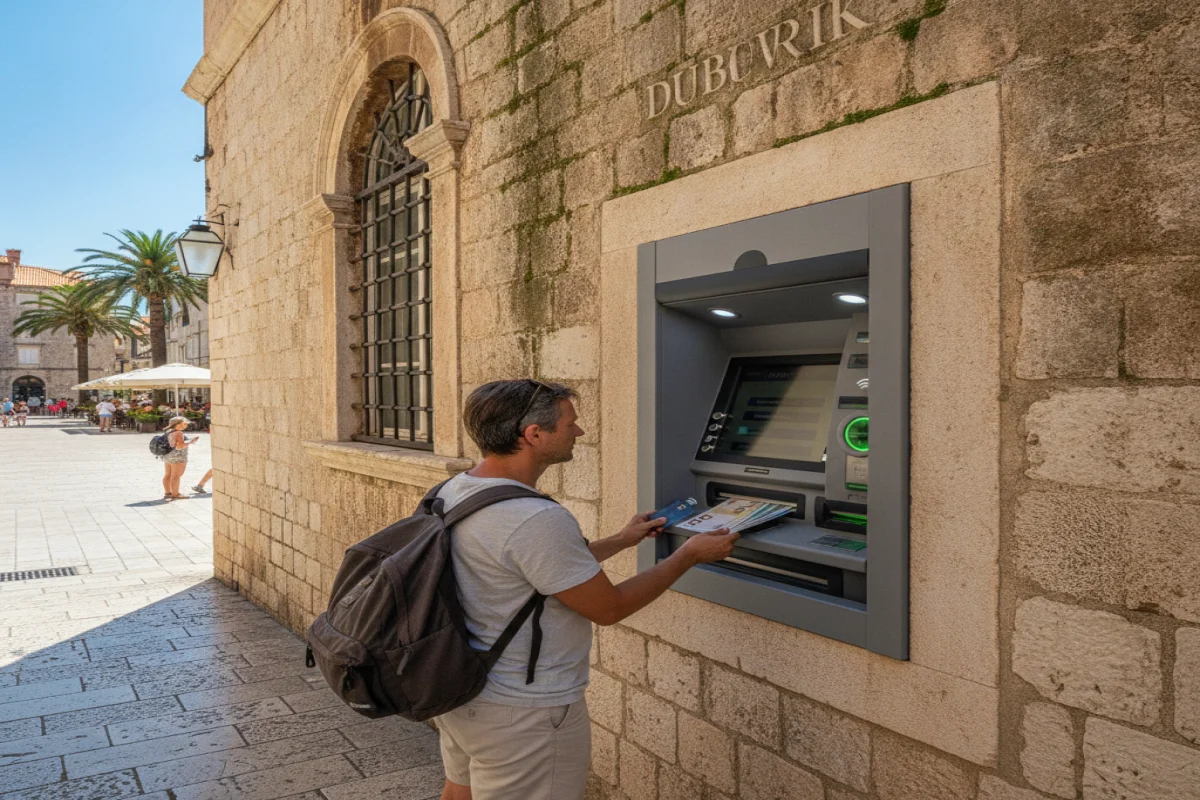
- Beware of Dynamic Currency Conversion: Always choose to pay in local currency to avoid unfavorable exchange rates.
- Tipping Etiquette: While not mandatory, rounding up your bill is appreciated.
Payment Rules, Card Acceptance & Fiscal Receipts
In Croatia, cash is still king, especially for small purchases at bakeries and street food stalls. However, most restaurants and cafes accept credit and debit cards. Always ask for a fiscal receipt ('Fiskalni račun') when making a purchase, as this is required by law and ensures your transaction is recorded properly. This is particularly important for tax purposes and can be useful if you need to return an item.