Current Situation & Pricing Overview 2026 in Croatia
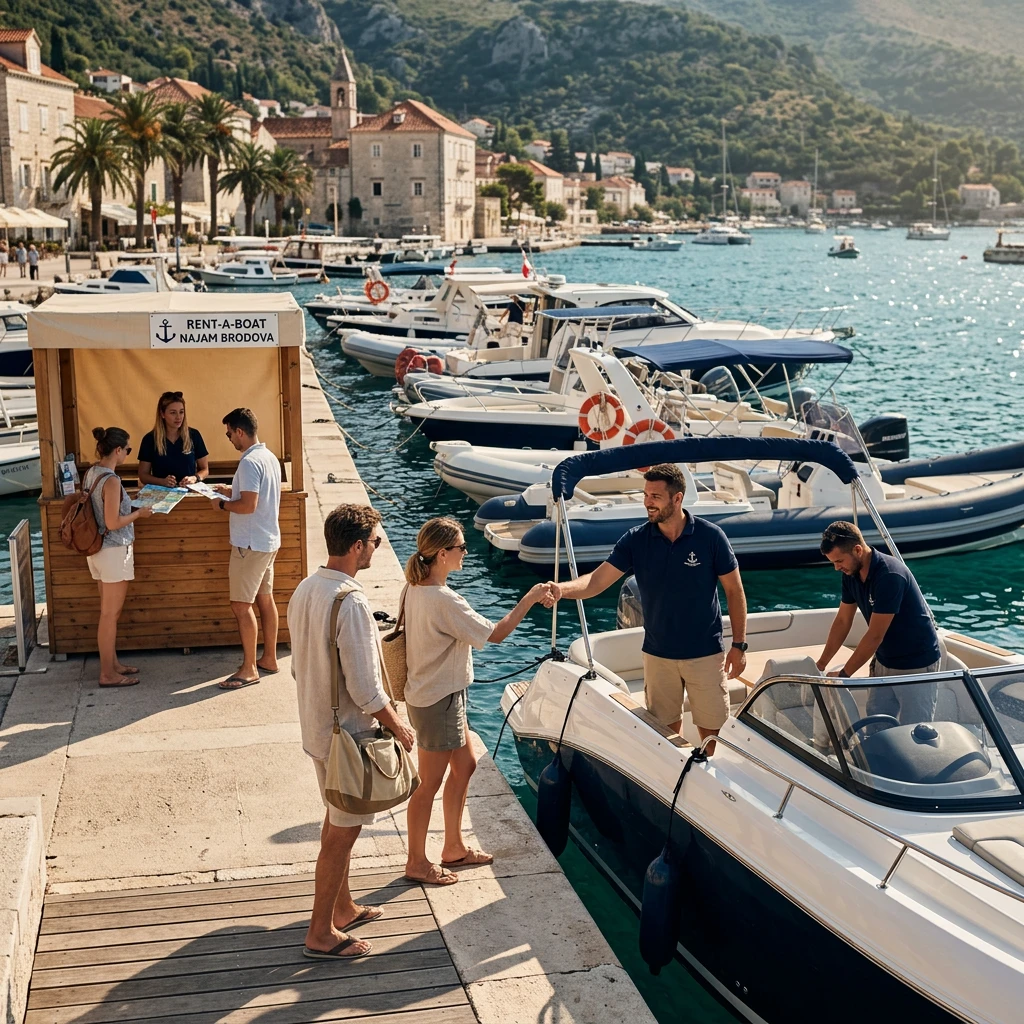
As Croatia continues to attract international visitors, the marina berth prices have seen a significant adjustment post-Euro adoption. The transition to the Euro has streamlined pricing, but inflation has also impacted costs. In 2026, tourists can expect to pay more for mooring fees, especially during the peak summer months when demand is highest. Prices vary based on location, amenities, and the type of service required.
- Informative estimated average prices in Euros (€)
- Transparent low vs. high peak season price breakdown below
Comprehensive Price Breakdown & Comparison Table 2026
| Service | Low Season Price (€) | High Season Price (€) |
|---|---|---|
| Daily Mooring Fee | 30 | 100 |
| Weekly Berth Rental | 200 | 600 |
| Monthly Berth Rental | 800 | 2,500 |
| Electricity Connection Fee | 5 | 15 |
| Water Supply Fee | 3 | 10 |
| Parking Fee (Car) | 10 | 25 |
| Waste Disposal Fee | 10 | 20 |
Regional Price Variations (Islands vs Coastal vs Inland)
Prices for marina berths can vary significantly across different regions of Croatia. Popular islands like Hvar and Korčula often have higher prices due to their tourist appeal and limited space. Coastal towns such as Dubrovnik and Split also command premium rates, especially during the summer months. In contrast, inland marinas and lesser-known coastal areas may offer more competitive pricing, making them attractive options for budget-conscious travelers.
Insider Money-Saving Tips & Tourist Traps to Avoid
- Lunch Specials: Look for local 'Marenda' specials in nearby restaurants, offering affordable meals.
- Grocery Shopping: Purchase groceries at local markets instead of tourist shops to save money.
- ATM Traps: Avoid dynamic currency conversion at ATMs; choose to be charged in local currency for better rates.
- Tipping Etiquette: Tipping is appreciated but not mandatory; rounding up the bill is usually sufficient.
Payment Rules, Card Acceptance & Fiscal Receipts
In Croatia, it is crucial to request a 'Fiskalni račun' (fiscal receipt) for all transactions, as this is a legal requirement. While most marinas accept credit and debit cards, cash is often preferred for smaller payments. Be aware that some establishments may charge extra for card payments, so it's wise to carry some cash for convenience.