Current Situation & Pricing Overview 2026 in Croatia
As Croatia transitions fully into the Eurozone, grocery prices have seen a significant shift. The adoption of the Euro has brought about a standardization of prices, but inflation has also influenced costs. Visitors in 2026 can expect to pay slightly more than in previous years, with an overall increase of about 5-10% in grocery prices across the country. Coastal regions, popular with tourists, may have higher prices compared to inland areas, particularly during the peak summer season.
- Informative estimated average prices in Euros (€)
- Transparent low vs. high peak season price breakdown below
Comprehensive Price Breakdown & Comparison Table 2026
| Item | Low Season Price (€) | High Season Price (€) | Budget Range (€) | Luxury Range (€) |
|---|---|---|---|---|
| Loaf of Bread | 0.80 | 1.50 | 0.80 - 1.00 | 1.20 - 1.50 |
| Milk (1L) | 0.90 | 1.20 | 0.90 - 1.00 | 1.10 - 1.20 |
| Eggs (12) | 2.50 | 3.50 | 2.50 - 3.00 | 3.00 - 3.50 |
| Chicken Breast (1kg) | 7.00 | 10.00 | 7.00 - 8.00 | 9.00 - 10.00 |
| Apples (1kg) | 1.50 | 2.50 | 1.50 - 2.00 | 2.00 - 2.50 |
| Pasta (500g) | 0.80 | 1.50 | 0.80 - 1.00 | 1.20 - 1.50 |
| Local Wine (0.75L) | 5.00 | 15.00 | 5.00 - 8.00 | 10.00 - 15.00 |
| Beer (0.5L) | 1.50 | 3.00 | 1.50 - 2.00 | 2.50 - 3.00 |
| Cheese (1kg) | 8.00 | 15.00 | 8.00 - 10.00 | 12.00 - 15.00 |
| Vegetables (mixed, 1kg) | 1.00 | 3.00 | 1.00 - 2.00 | 2.50 - 3.00 |
Regional Price Variations (Islands vs Coastal vs Inland)
In Croatia, grocery prices can vary significantly based on location. Coastal areas, especially tourist hotspots like Hvar and Dubrovnik, tend to have higher prices due to demand. For instance, a loaf of bread might cost around 1.50 € in Dubrovnik, while in inland towns like Slavonski Brod, it could be as low as 0.80 €.
Island regions such as Korčula may also see inflated prices, particularly for imported goods. However, local markets often provide fresh produce at competitive prices. In contrast, inland regions typically offer lower prices, especially for locally sourced products.
Insider Money-Saving Tips & Tourist Traps to Avoid
- Shop at Local Markets: Fresh produce is often cheaper and of better quality at local markets compared to supermarkets.
- Look for 'Marenda': Many local eateries offer lunch specials called 'Marenda' that provide excellent value for money.
- Avoid Tourist Traps: Restaurants near major tourist attractions often charge significantly more for groceries and meals.
- Dynamic Currency Conversion: When using ATMs, choose to be charged in Euros to avoid unfavorable exchange rates.
- Tipping Etiquette: Tipping is appreciated but not mandatory; rounding up the bill is common practice.
Payment Rules, Card Acceptance & Fiscal Receipts
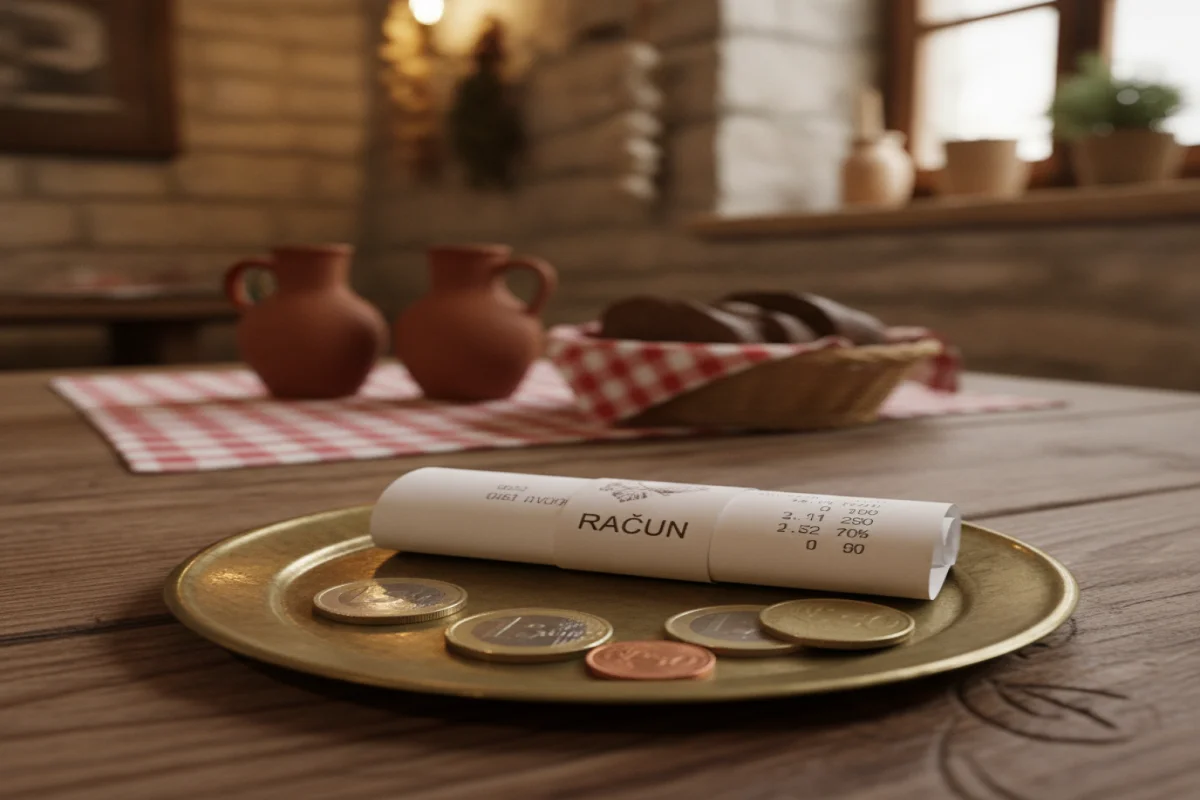
In Croatia, both cash and card payments are widely accepted. However, it is advisable to carry some cash, especially in smaller towns and markets. Croatian fiscal law requires businesses to issue a fiscal receipt ('Fiskalni račun') for all transactions, which is important for tax purposes and can be requested at any time. Always ask for a receipt, especially for larger purchases, to ensure transparency and accountability.