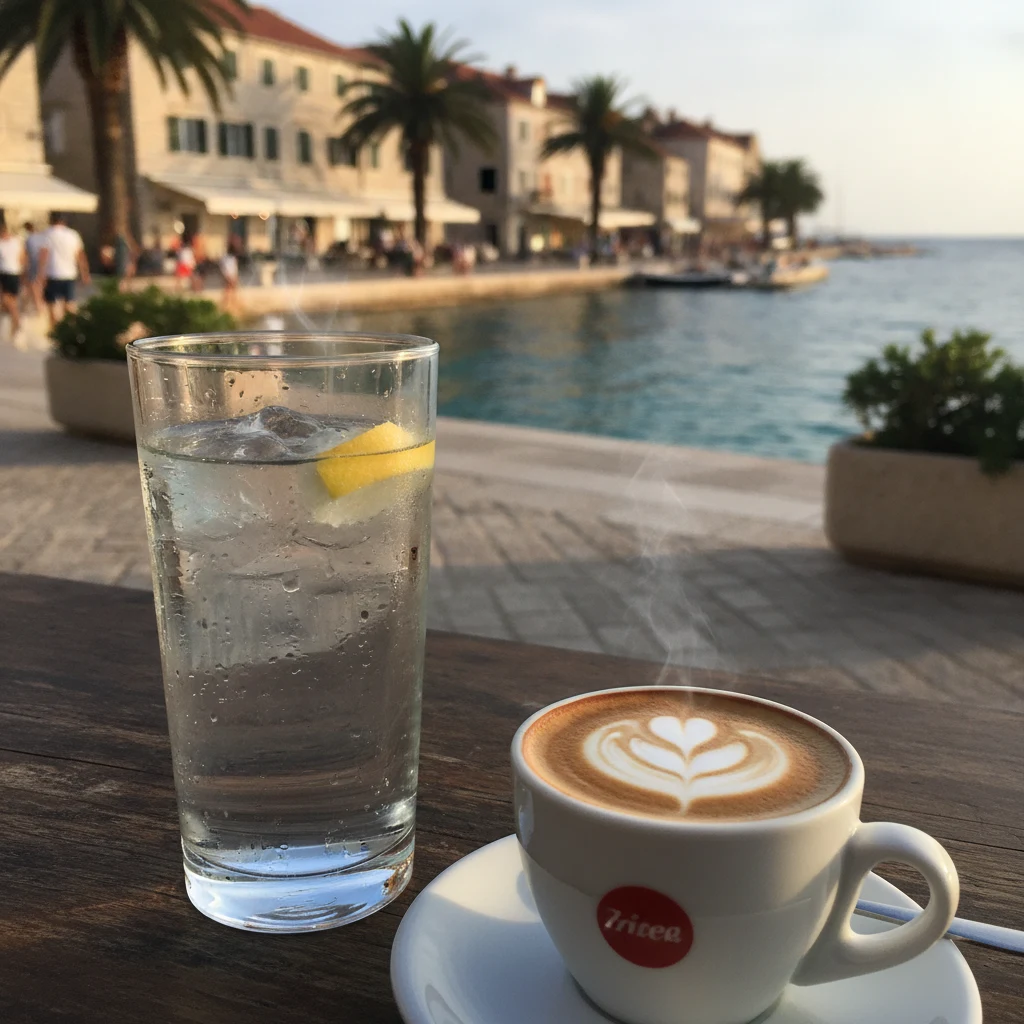
Current Situation & Pricing Overview 2026 in Croatia
As Croatia continues to embrace the Euro, the ice cream and gelato market has seen a significant transformation. Prices have adjusted due to inflation and the overall cost of living increase, particularly in tourist-heavy areas. Visitors can expect to pay more during the high season (June to August) when demand peaks, while low season prices (September to May) can be considerably lower. The average cost for a single scoop of gelato now ranges from 1.50 € to 3.00 €, reflecting both quality and location.
- Informative estimated average prices in Euros (€)
- Transparent low vs. high peak season price breakdown below
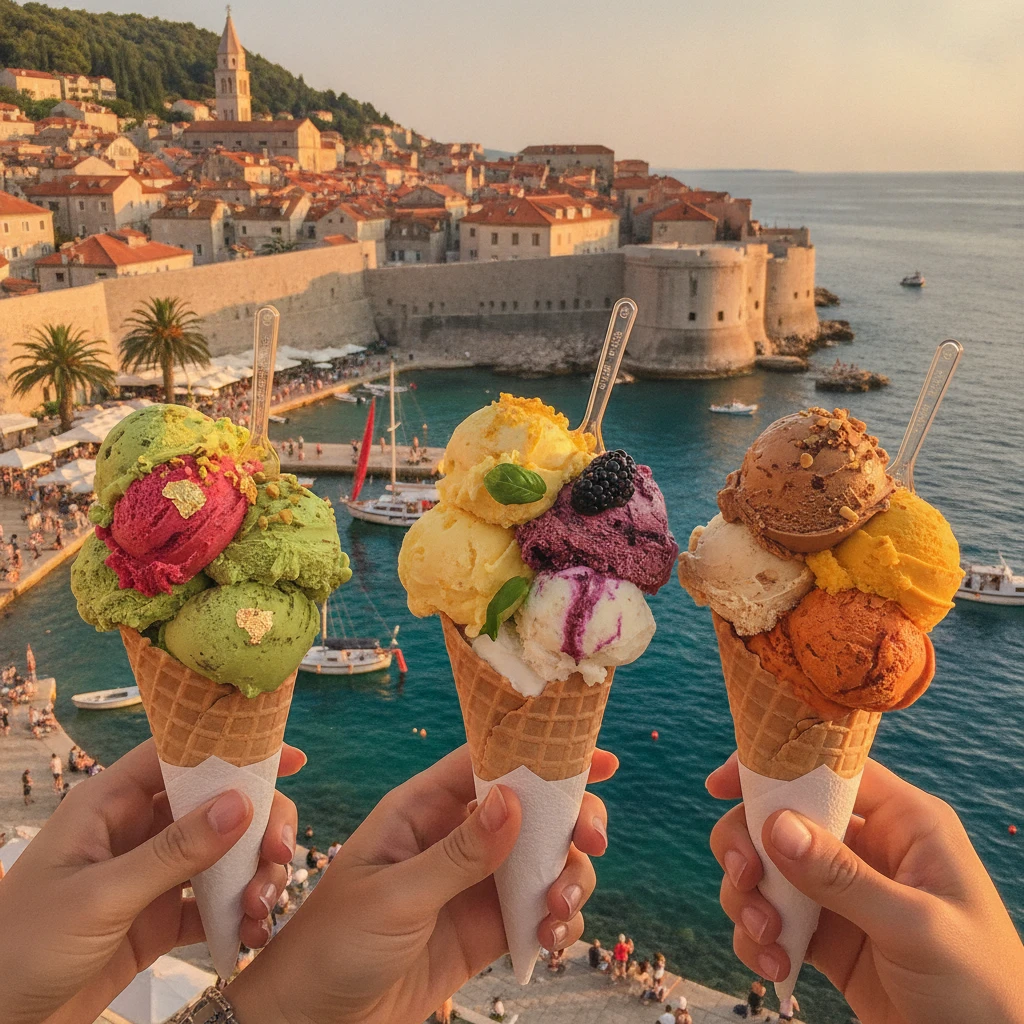
Comprehensive Price Breakdown & Comparison Table 2026
| Item | Low Season Price (€) | High Season Price (€) |
|---|---|---|
| Single Scoop of Gelato | 1.50 € | 3.00 € |
| Double Scoop of Gelato | 2.50 € | 4.50 € |
| Ice Cream Cone | 2.00 € | 4.00 € |
| Ice Cream Cup | 2.50 € | 5.00 € |
| Milkshake | 3.00 € | 6.00 € |
| Ice Cream Sundae | 4.00 € | 8.00 € |
| Gelato Tasting Flight | 5.00 € | 10.00 € |
| Takeaway Ice Cream Tub (1L) | 8.00 € | 15.00 € |
Regional Price Variations (Islands vs Coastal vs Inland)
Prices for ice cream and gelato can vary significantly across different regions of Croatia. Coastal areas, particularly tourist hotspots like Dubrovnik and Split, tend to have higher prices due to demand. For instance, a single scoop in Dubrovnik may cost around 3.00 € during peak season, while in smaller towns or inland areas, it could be as low as 1.50 €.
On the islands, such as Hvar and Korčula, expect similar pricing to coastal towns, but with some artisanal shops offering unique flavors at a premium. In contrast, inland areas like Slavonia may offer more affordable options, with local ice cream shops pricing their products competitively.
Insider Money-Saving Tips & Tourist Traps to Avoid
- Look for Local Specials: Many ice cream shops offer 'Marenda' specials during the day, where you can get a scoop at a discounted price.
- Grocery Store Ice Cream: Consider buying ice cream from supermarkets for significant savings. A 1L tub can be much cheaper than buying single servings at tourist spots.
- Avoid Dynamic Currency Conversion: When using ATMs or credit cards, always choose to pay in Euros to avoid unfavorable exchange rates.
- Check for Fiscal Receipts: Always ask for a receipt ('Fiskalni račun') when making purchases, as this is required by Croatian law and can help with any disputes.
- Tipping Etiquette: While not mandatory, rounding up your bill or leaving small change is appreciated in ice cream shops.
Payment Rules, Card Acceptance & Fiscal Receipts
In Croatia, cash is still widely accepted, but card payments are becoming increasingly common, especially in urban areas and tourist destinations. Most ice cream shops accept major credit and debit cards, but it's always wise to carry some cash for smaller vendors or rural areas.
According to Croatian fiscal law, businesses must provide a fiscal receipt for every transaction. Always request a 'Fiskalni račun' to ensure compliance and protect yourself in case of any issues with your purchase.