Current Situation & Pricing Overview 2026 in Croatia
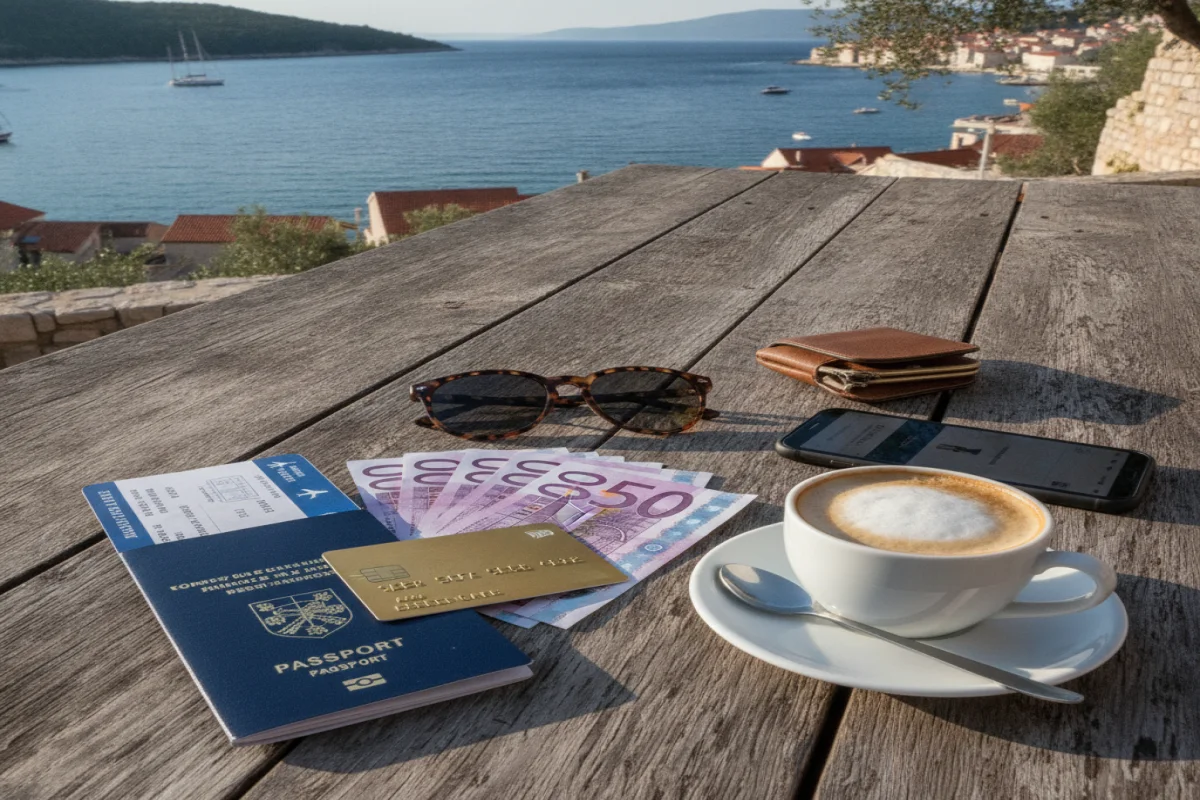
With the adoption of the Euro in 2023, Croatia has seen a significant shift in its pricing landscape. Inflation has impacted the cost of living, but the transition has also brought greater transparency in pricing for tourists. Visitors can expect to pay slightly more than in previous years, particularly in popular coastal areas. However, Croatia remains a relatively affordable destination compared to many Western European countries.
- Informative estimated average prices in Euros (€)
- Transparent low vs. high peak season price breakdown below
Comprehensive Price Breakdown & Comparison Table 2026
| Service/Product | Low Season (€) | High Season (€) | Notes |
|---|---|---|---|
| Restaurant Meal (Mid-range) | 15 | 30 | Varies by location and type of cuisine |
| Coffee (Café) | 1.50 | 3 | Higher in tourist areas |
| Taxi Ride (Short Distance) | 5 | 15 | Depends on distance and time of day |
| Hotel Room (3-star) | 70 | 120 | Seasonal rates apply |
| Guided Tour | 30 | 100 | Varies by length and inclusions |
| Beach Chair Rental | 5 | 15 | Higher in peak summer months |
Regional Price Variations (Islands vs Coastal vs Inland)
Prices can vary significantly across different regions of Croatia. Coastal areas, especially popular tourist destinations like Dubrovnik and Split, tend to be more expensive than inland regions. The islands, such as Hvar and Korčula, also have their own pricing dynamics, often influenced by the influx of tourists during the summer months.
- Dubrovnik: High-end dining and luxury accommodations are prevalent, with meals averaging around 30-50 € per person.
- Split: Offers a mix of affordable and mid-range options, with meals typically costing 15-25 €.
- Hvar: Known for its nightlife and upscale dining, expect to pay premium prices, especially in summer.
- Inland Areas: Generally more affordable, with meals costing around 10-20 €.
Insider Money-Saving Tips & Tourist Traps to Avoid
To make the most of your trip while saving money, consider the following tips:
- Local Lunch Specials: Look for 'Marenda' deals, which are affordable lunch options offered by many restaurants.
- Grocery Shopping: Purchase snacks and drinks from local supermarkets to avoid high prices at tourist spots.
- Avoid Dynamic Currency Conversion: Always choose to pay in Euros to avoid unfavorable exchange rates.
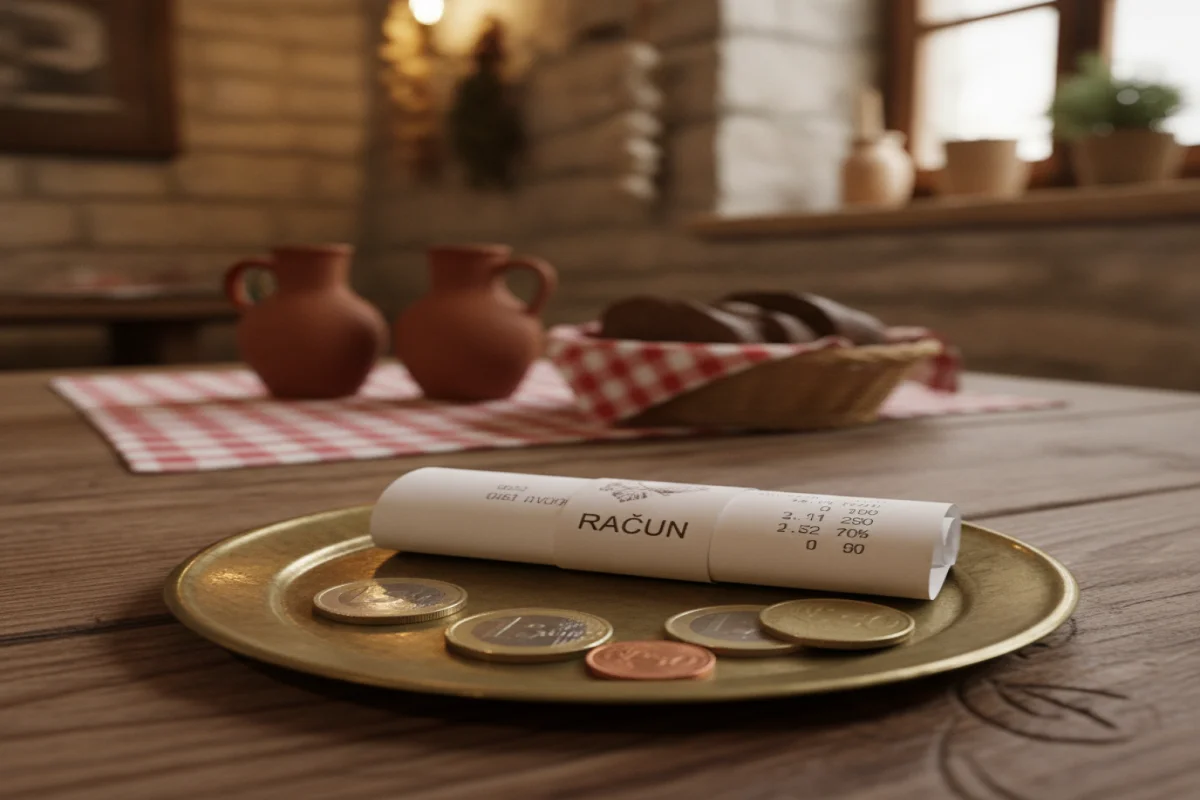
- Ask for Fiscal Receipts: Requesting a 'Fiskalni račun' ensures proper taxation and can help if you need to report any issues.
Payment Rules, Card Acceptance & Fiscal Receipts
In Croatia, both cash and card payments are widely accepted, especially in urban and tourist areas. However, some smaller establishments may prefer cash, so it's wise to carry some Euros. Always ask for a fiscal receipt ('Fiskalni račun') when making a purchase, as this is a legal requirement and protects you in case of disputes.
In summary, understanding the tipping culture and pricing in Croatia can enhance your travel experience. By being informed and respectful of local customs, you can enjoy the stunning seaside, beaches, and rich culture of this beautiful country.