Current Situation & Pricing Overview 2026 in Croatia
As Croatia continues to adapt to the Euro, the tipping culture has also evolved. With the adoption of the Euro, prices have seen a slight increase due to inflation, but the overall cost of living remains relatively affordable compared to Western Europe. Tourists can expect to pay reasonable prices for meals, services, and experiences, especially in coastal areas.
- Informative estimated average prices in Euros (€)
- Transparent low vs. high peak season price breakdown below
Comprehensive Price Breakdown & Comparison Table 2026
| Service | Low Season (€) | High Season (€) | Budget Range (€) | Luxury Range (€) |
|---|---|---|---|---|
| Restaurant meal (mid-range) | 15 | 30 | 15-20 | 25-30 |
| Coffee at a café | 1.50 | 4 | 1.50-2.50 | 3-4 |
| Taxi ride (within city) | 5 | 15 | 5-10 | 10-15 |
| Guided tour (half-day) | 30 | 70 | 30-40 | 60-70 |
| Hotel stay (3-star) | 70 | 150 | 70-90 | 120-150 |
| Beach chair rental | 5 | 15 | 5-10 | 10-15 |
Regional Price Variations (Islands vs Coastal vs Inland)
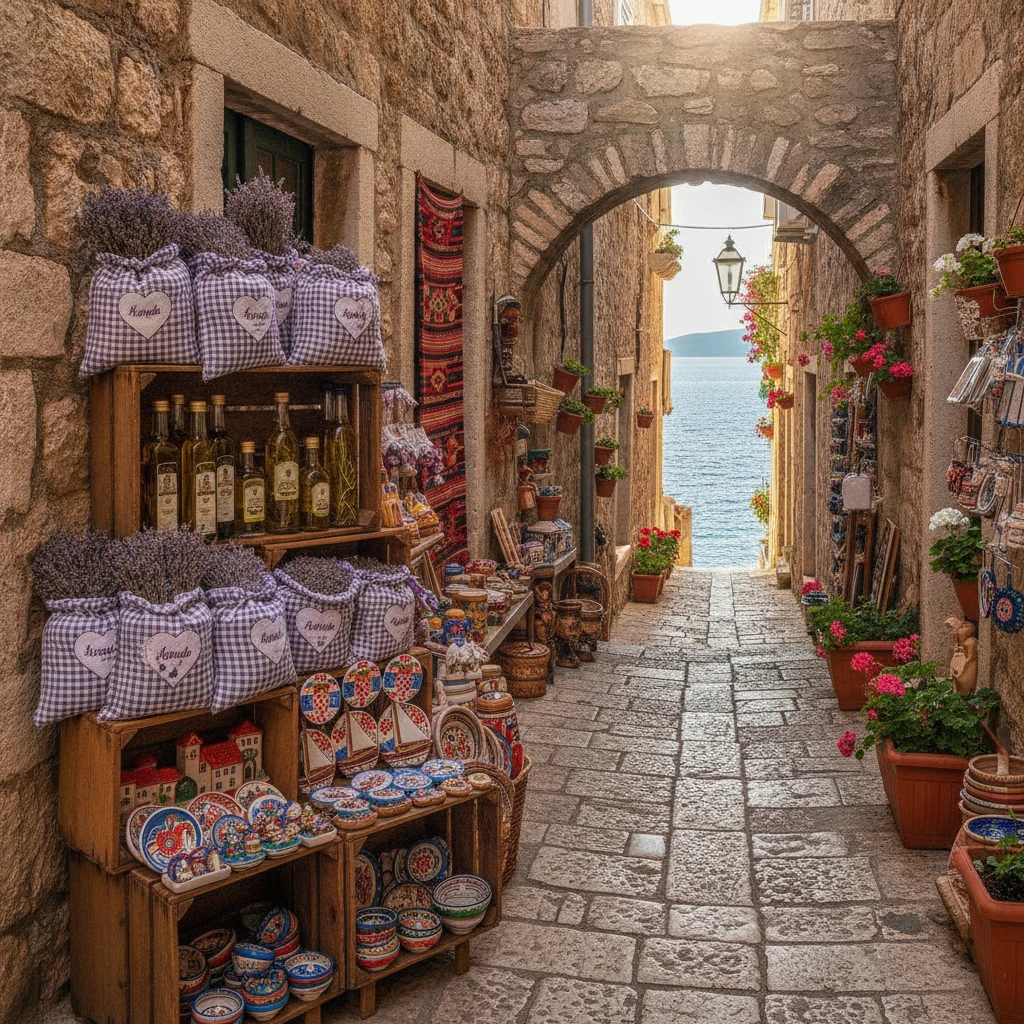
Prices can vary significantly across different regions in Croatia. Coastal areas like Dubrovnik and Split tend to be more expensive, especially during the summer tourist season. Islands such as Hvar and Korčula also see higher prices due to their popularity. In contrast, inland areas may offer more budget-friendly options.
- Dubrovnik: High-end dining and luxury accommodations.
- Split: Mid-range options with a vibrant food scene.
- Hvar: Premium prices for beach clubs and restaurants.
- Korčula: Moderate prices, especially in local taverns.
- Inland regions: Generally lower prices for food and services.
Insider Money-Saving Tips & Tourist Traps to Avoid
To make the most of your budget while traveling in Croatia, consider the following tips:
- Local Lunch Specials: Look for 'Marenda' specials in local eateries for affordable meals.
- Grocery Shopping: Buy snacks and drinks at supermarkets to save money.
- Avoid Dynamic Currency Conversion: Always choose to pay in Euros to avoid unfavorable exchange rates.
- Be Cautious of Tourist Traps: Research restaurants and attractions to avoid overpriced options.
Payment Rules, Card Acceptance & Fiscal Receipts
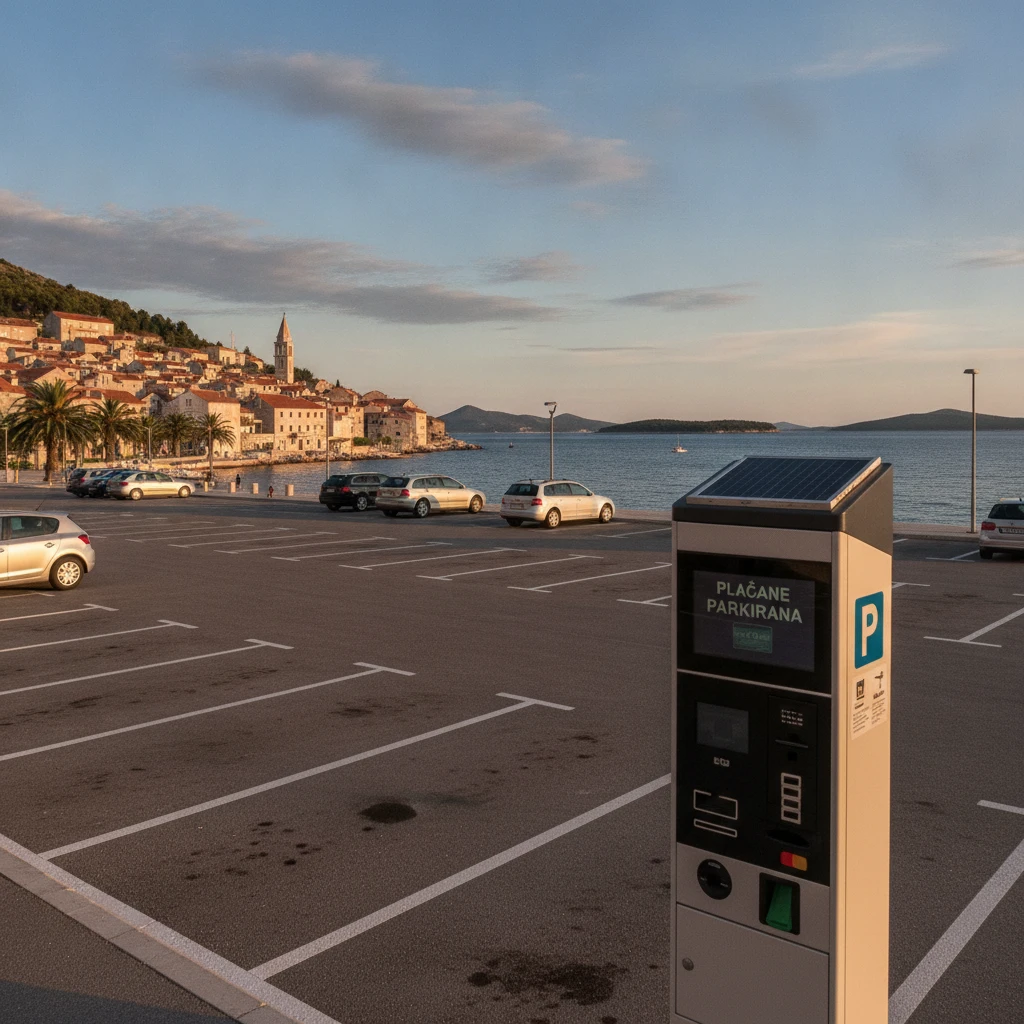
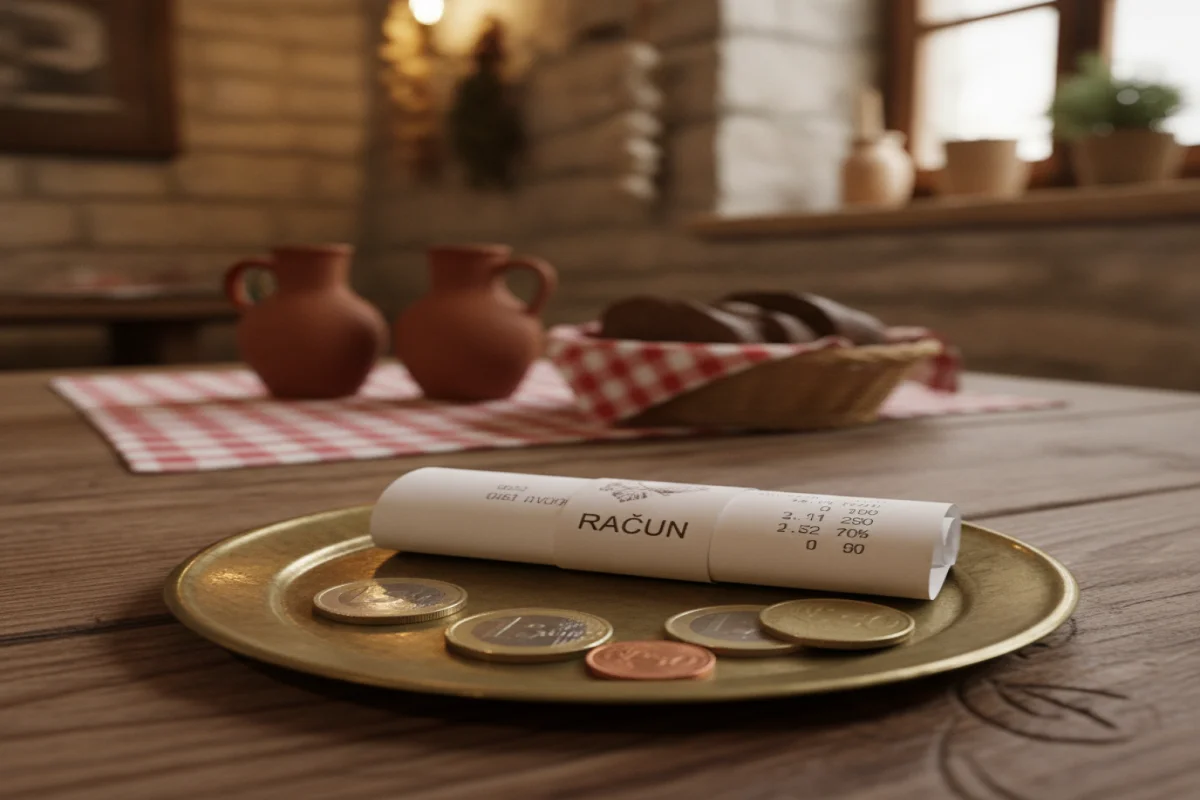
In Croatia, cash is still widely accepted, but credit and debit cards are increasingly used, especially in tourist areas. It is essential to ask for a fiscal receipt ('Fiskalni račun') for your purchases, as this is required by law and can be helpful for warranty claims or returns.
Most establishments accept major credit cards, but it's advisable to carry some cash for smaller vendors, markets, and rural areas where card acceptance may be limited.