Current Situation & Pricing Overview 2026 in Croatia
As Croatia transitions fully into the Eurozone, the pricing landscape for souvenirs and local gifts has seen notable changes. The adoption of the Euro in 2023 has led to a gradual increase in prices due to inflation, but the overall cost of living remains relatively affordable compared to Western Europe. Visitors in 2026 can expect to pay a bit more for traditional gifts, but the quality and uniqueness of these items make them worthwhile investments.
- Informative estimated average prices in Euros (€)
- Transparent low vs. high peak season price breakdown below
Comprehensive Price Breakdown & Comparison Table 2026
| Item | Low Season Price (€) | High Season Price (€) | Notes |
|---|---|---|---|
| Traditional Croatian Olive Oil | 10 | 25 | Varies by quality and region |
| Handmade Ceramics | 15 | 50 | Artisan pieces can be more expensive |
| Local Wine (Plavac Mali) | 8 | 30 | Price varies by vineyard |
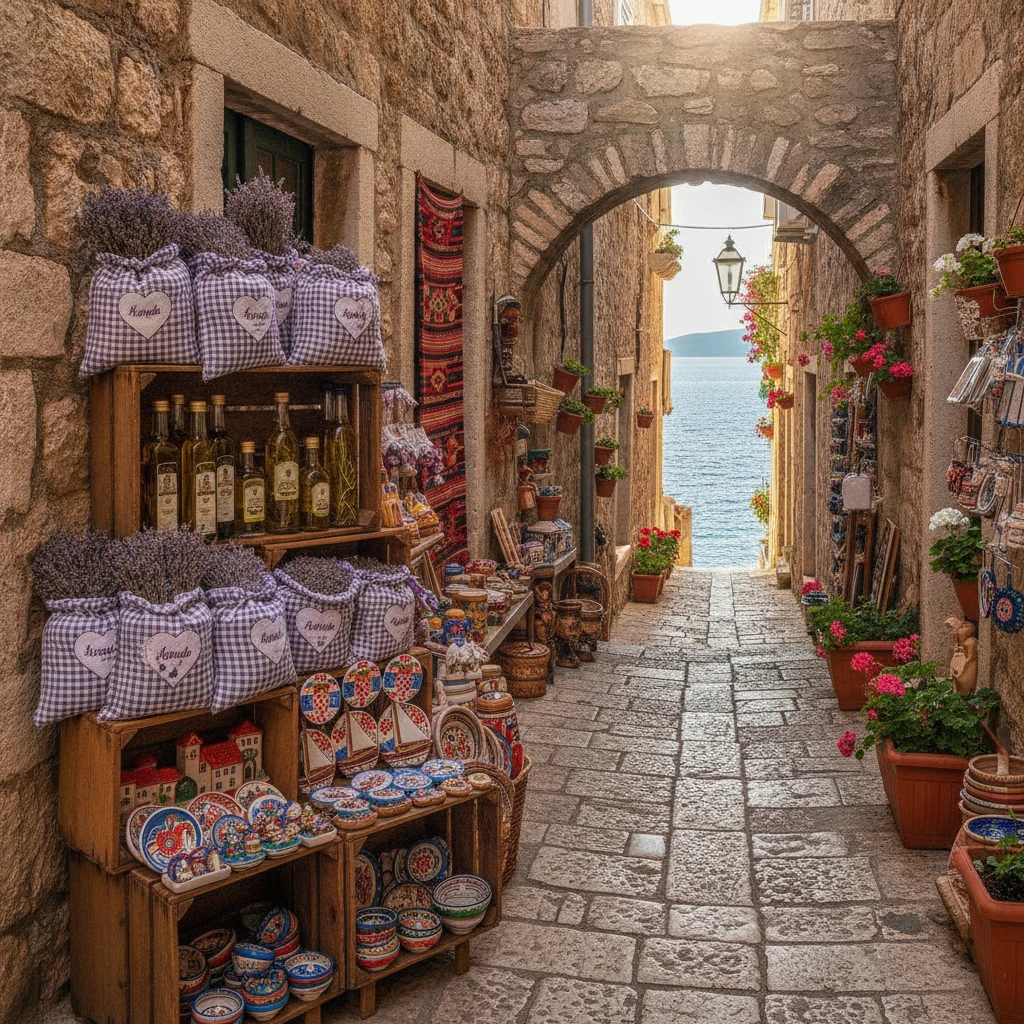
| Lavender Products | 5 | 20 | Includes oils, sachets, and soaps |
| Croatian Honey | 7 | 15 | Local varieties may cost more |
| Maraschino Liqueur | 12 | 25 | Specialty liqueur from Zadar |
| Souvenir T-Shirts | 10 | 30 | Prices depend on design and quality |
| Local Handicrafts | 20 | 100 | Unique items from local artisans |
Regional Price Variations (Islands vs Coastal vs Inland)
Prices for souvenirs can vary significantly across different regions of Croatia. Coastal areas, particularly tourist hotspots like Dubrovnik and Split, tend to have higher prices due to demand. In contrast, islands such as Hvar and Korčula offer unique local products at competitive prices, especially in local markets. Inland regions may provide the best deals, with prices generally lower than in coastal tourist areas.
Insider Money-Saving Tips & Tourist Traps to Avoid
- Look for 'Marenda' Specials: Many local eateries offer affordable lunch specials that can save you money.
- Shop at Local Markets: Instead of tourist shops, visit local markets for authentic souvenirs at lower prices.
- Avoid Dynamic Currency Conversion: Always choose to pay in local currency to avoid unfavorable exchange rates.
- Be Mindful of Tipping: Tipping is appreciated but not mandatory; rounding up the bill is often sufficient.
Payment Rules, Card Acceptance & Fiscal Receipts
In Croatia, it is essential to understand the fiscal law known as 'Fiskalni račun'. Always ask for a receipt when making a purchase, as it is required by law and helps ensure that you are not overcharged. Most shops and restaurants accept credit cards, but it is wise to carry some cash, especially in smaller towns or markets where card facilities may not be available.