Current Situation & Pricing Overview 2026 in Croatia
As Croatia continues to embrace its identity as a premier Mediterranean destination, seafood remains a cornerstone of its culinary landscape. Following the adoption of the Euro, seafood prices have seen a moderate increase due to inflation and rising costs of fishing and transportation. Visitors can expect to pay more for seafood in popular tourist hotspots, while local markets and smaller towns may offer more competitive pricing. In 2026, the average price range for fresh seafood varies significantly based on location and season, making it essential for travelers to plan accordingly.
- Informative estimated average prices in Euros (€)
- Transparent low vs. high peak season price breakdown below
Comprehensive Price Breakdown & Comparison Table 2026
| Seafood Item | Low Season Price (€) | High Season Price (€) |
|---|---|---|
| Fresh Adriatic Fish (per kg) | 15 € | 30 € |
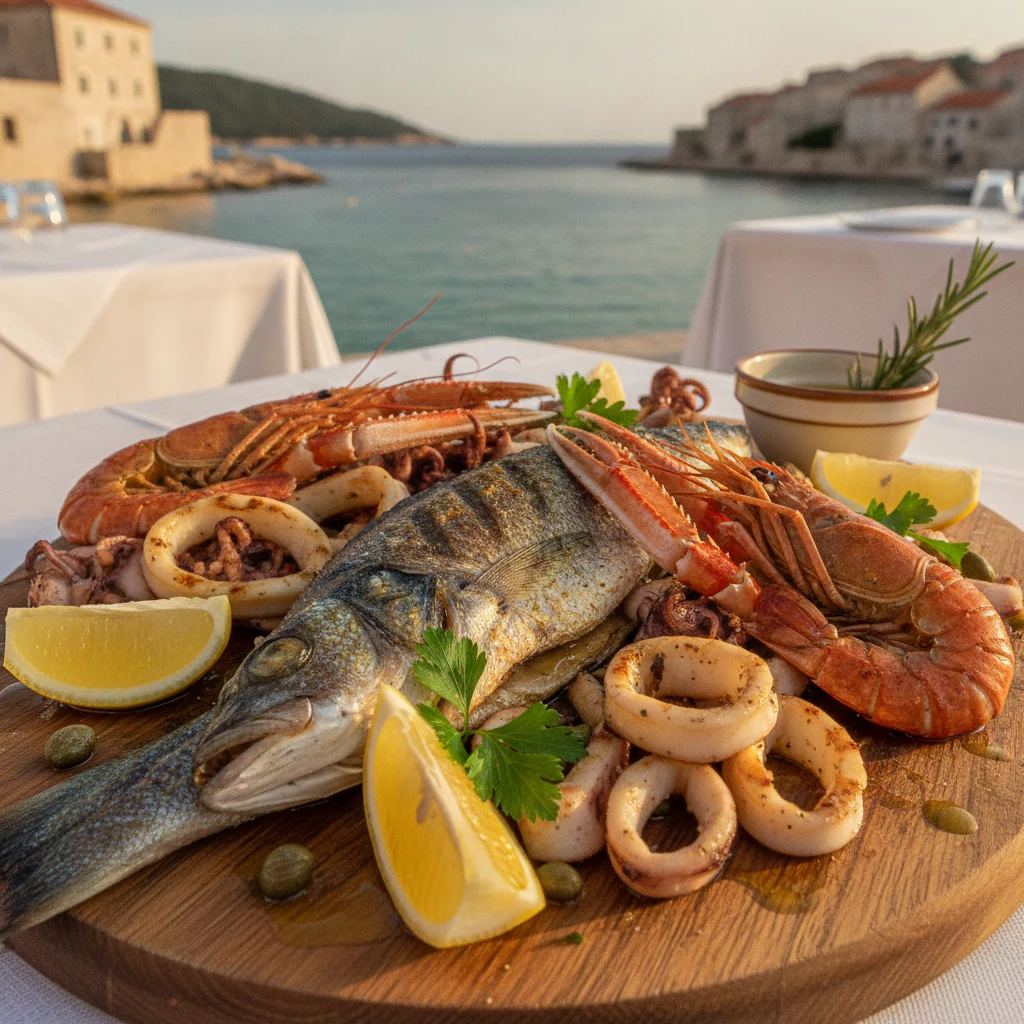
| Seafood Platter (restaurant) | 25 € | 60 € |
| Octopus Salad (restaurant) | 10 € | 20 € |
| Grilled Sardines (per kg) | 12 € | 25 € |
| Seafood Pasta (restaurant) | 15 € | 35 € |
| Fish Market Prices (per kg) | 10 € | 25 € |
| Local Fish Fry (street food) | 5 € | 15 € |
| Tuna Steak (per kg) | 20 € | 40 € |
| Clams (per kg) | 15 € | 30 € |
| Seafood Risotto (restaurant) | 12 € | 28 € |
Regional Price Variations (Islands vs Coastal vs Inland)
Prices for seafood can vary significantly across different regions of Croatia. Coastal towns like Dubrovnik and Split typically charge higher prices due to their popularity among tourists. In contrast, islands such as Hvar and Korčula may offer slightly lower prices, especially in local taverns that cater to residents. Inland areas, while not as seafood-centric, can still provide fresh fish at more affordable rates, particularly in local markets.
Insider Money-Saving Tips & Tourist Traps to Avoid
- Local Lunch Specials: Look for 'Marenda' specials in local eateries, which often feature fresh seafood at reduced prices.
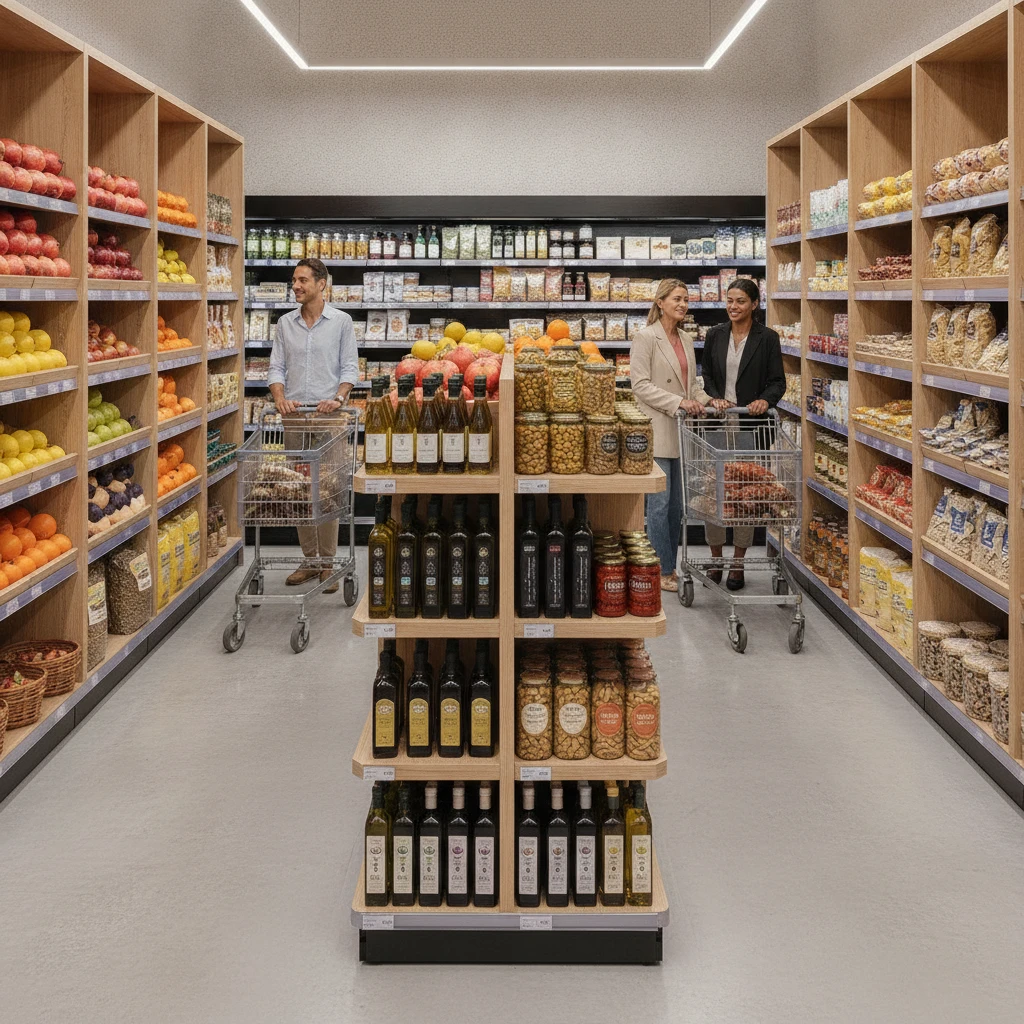
- Grocery Shopping Hacks: Purchase fresh seafood directly from fish markets rather than restaurants for significant savings.
- Avoid Dynamic Currency Conversion: Always choose to pay in Euros to avoid unfavorable exchange rates at ATMs and card terminals.
- Tipping Etiquette: A 10% tip is customary in restaurants, but only if service is not included in the bill.
- Explore Off-Peak Dining: Dining during off-peak hours can sometimes yield discounts or specials not available during busy times.
Payment Rules, Card Acceptance & Fiscal Receipts
In Croatia, it is essential to understand the local fiscal laws, known as 'Fiskalni račun'. Always ask for a fiscal receipt when making a purchase, as this ensures that the transaction is recorded for tax purposes. While credit and debit cards are widely accepted in urban areas and tourist spots, cash is still preferred in smaller towns and markets. It's advisable to carry some cash for local purchases, especially in seafood markets where vendors may not accept cards.