Current Situation & Pricing Overview 2026 in Croatia
As Croatia continues to embrace the Euro, car rental prices have seen a significant shift. With the adoption of the Euro, many visitors have noted an increase in rental costs due to inflation and the rising demand for vehicles during peak tourist seasons. In 2026, travelers can expect to pay anywhere from 30 € to 250 € per day depending on the type of vehicle and the season. The coastal regions, famous for their stunning beaches and vibrant nightlife, tend to have higher rental prices compared to inland areas.
- Informative estimated average prices in Euros (€)
- Transparent low vs. high peak season price breakdown below
Comprehensive Price Breakdown & Comparison Table 2026
| Service | Low Season (Nov - Mar) | High Season (Jun - Aug) |
|---|---|---|
| Economy Car Rental | 30 € | 60 € |
| Luxury Car Rental | 100 € | 250 € |
| SUV Rental | 70 € | 150 € |
| Van Rental | 90 € | 200 € |
| Child Seat Rental | 10 € | 15 € |
| GPS Rental | 5 € | 10 € |
| Insurance Coverage (CDW) | 15 € | 30 € |
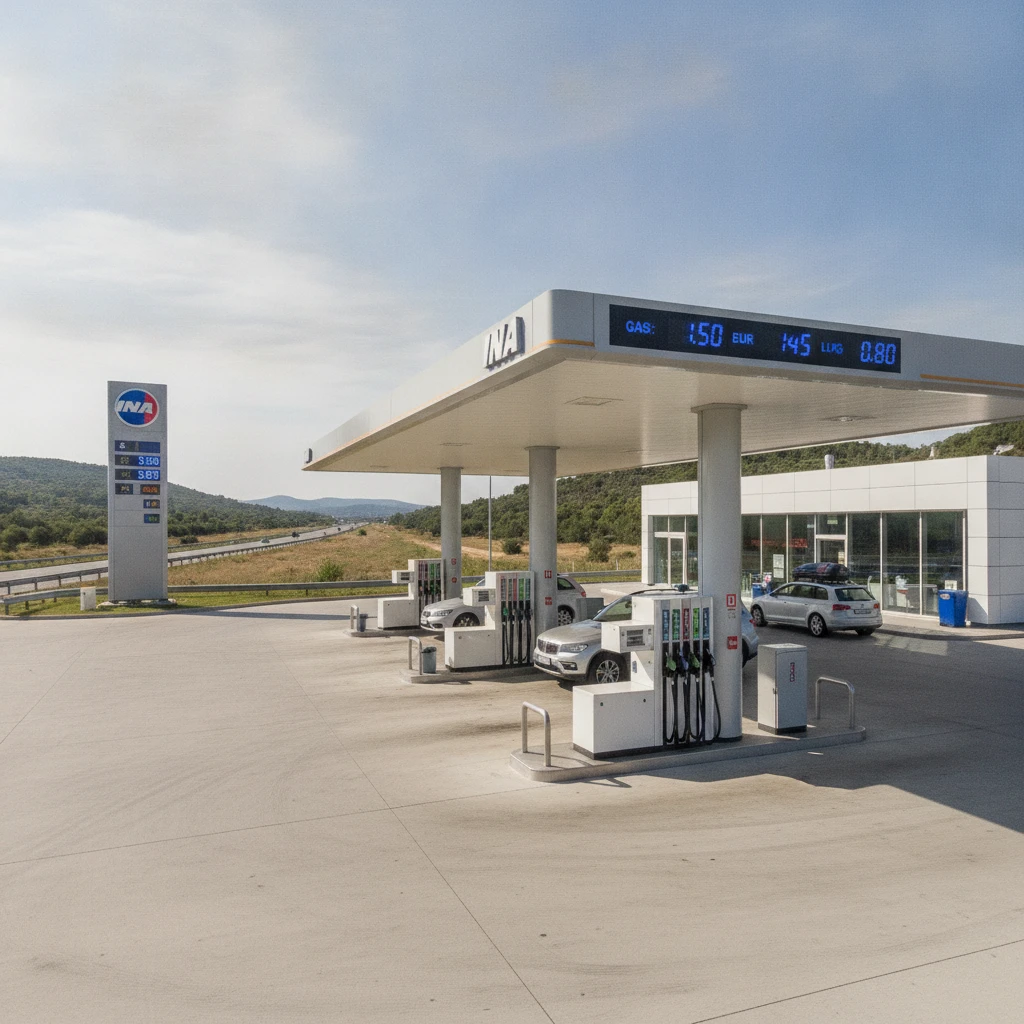
| Fuel Charges | 1.50 € | 2.00 € |
Regional Price Variations (Islands vs Coastal vs Inland)
Car rental prices vary significantly across different regions of Croatia. Coastal areas such as Dubrovnik and Split, which attract a high volume of tourists, tend to have higher rental rates. For instance, renting a car in Dubrovnik during the summer can cost up to 250 € per day for luxury models. In contrast, the island of Hvar may offer slightly lower rates, but expect to pay a premium during the peak season. Inland areas like Slavonia or Zagorje generally have more affordable options, with prices starting around 30 € per day.
Insider Money-Saving Tips & Tourist Traps to Avoid
- Local Lunch Specials: Look for 'Marenda' deals in local eateries, which offer substantial meals at lower prices.
- Grocery Shopping: Purchase snacks and drinks from supermarkets instead of tourist shops to save money.
- Dynamic Currency Conversion: Avoid using dynamic currency conversion at ATMs; always choose to pay in Euros to get better rates.
- Tipping Etiquette: Tipping is appreciated but not mandatory; rounding up the bill is common practice.
Payment Rules, Card Acceptance & Fiscal Receipts
In Croatia, it is essential to understand the local fiscal laws ('Fiskalni račun'). Always ask for a fiscal receipt when making a purchase, as this is required by law and can be useful for any disputes. Most rental companies accept major credit cards, but it is advisable to confirm beforehand. Cash is still widely accepted, particularly in rural areas, so having some Euros on hand is beneficial.