Current Situation & Pricing Overview 2026 in Croatia
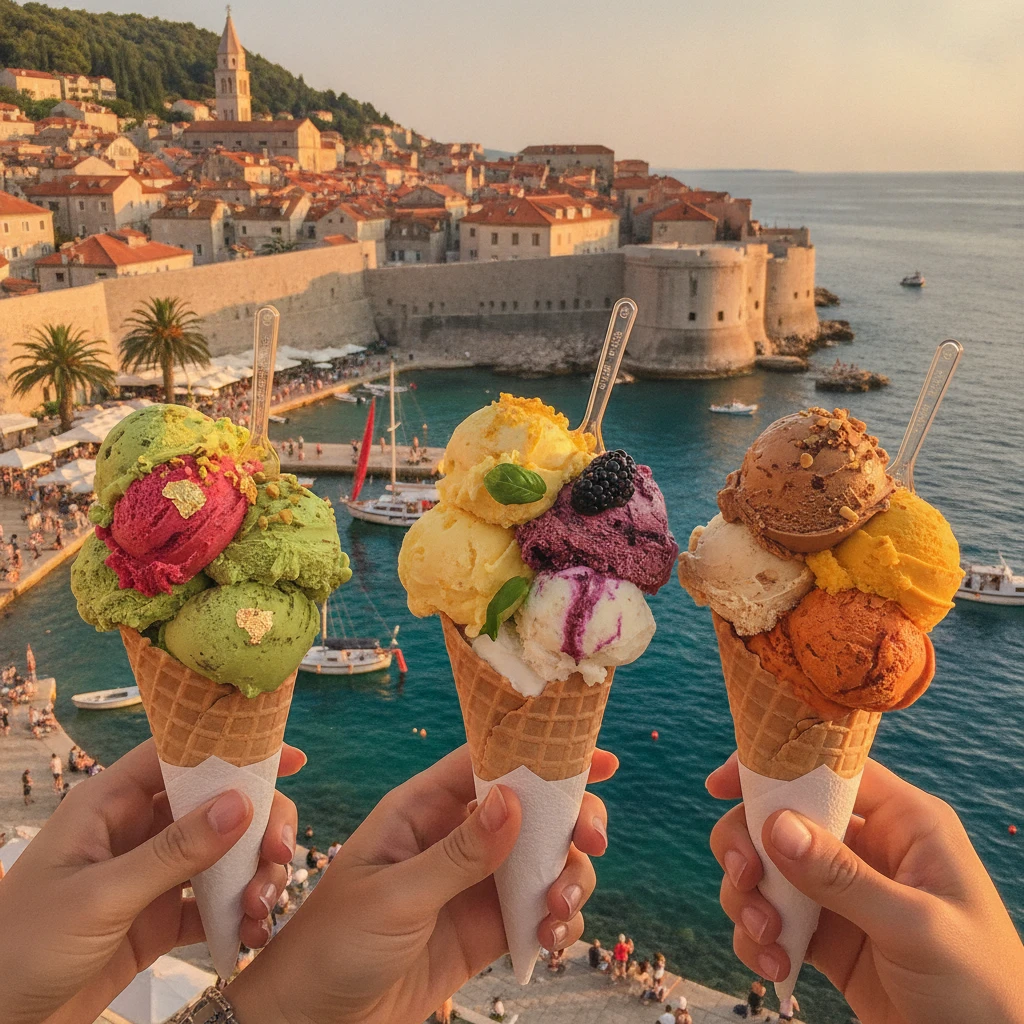
As of 2026, Croatia has embraced the Euro, leading to noticeable changes in the pricing landscape for various goods and services, including ice cream and gelato. The transition has brought about a shift in consumer expectations and spending habits. Visitors can expect to pay slightly more than in previous years, primarily due to inflation and the rising cost of quality ingredients. However, Croatia remains an affordable destination for ice cream lovers, especially when compared to Western European countries.
- Informative estimated average prices in Euros (€)
- Transparent low vs. high peak season price breakdown below
Comprehensive Price Breakdown & Comparison Table 2026
| Item | Low Season Price (€) | High Season Price (€) | Budget Range (€) | Luxury Range (€) |
|---|---|---|---|---|
| Single Scoop Gelato | 2 | 4 | 2 - 3 | 3 - 4 |
| Double Scoop Gelato | 3 | 6 | 3 - 4 | 5 - 6 |
| Ice Cream Cone | 1.50 | 3 | 1.50 - 2.50 | 2.50 - 3 |
| Cup of Ice Cream | 2 | 5 | 2 - 3 | 4 - 5 |
| Gelato Affogato | 4 | 7 | 4 - 5 | 6 - 7 |
| Ice Cream Sundae | 5 | 9 | 5 - 7 | 8 - 9 |
Regional Price Variations (Islands vs Coastal vs Inland)
Prices for ice cream can vary significantly across different regions of Croatia. Coastal areas, especially popular tourist destinations like Dubrovnik, Split, and Rovinj, tend to have higher prices due to increased demand and tourist traffic. In contrast, inland areas may offer more affordable options, particularly in smaller towns and villages. The islands, such as Hvar and Korčula, often have a mix of both, with some high-end gelaterias catering to tourists and local spots offering budget-friendly treats.
Insider Money-Saving Tips & Tourist Traps to Avoid
- Look for Local Specials: Many gelaterias offer 'Marenda' specials during the day, which can include discounts on ice cream.
- Shop at Local Markets: Consider purchasing ice cream from local markets or smaller vendors, which often have lower prices than tourist-centric shops.
- Avoid Dynamic Currency Conversion: When using ATMs or card payments, opt to pay in Euros to avoid unfavorable exchange rates.
- Tip Wisely: While tipping is appreciated, rounding up your bill is often sufficient.
- Ask for Fiscal Receipts: Always request a 'Fiskalni račun' to ensure your purchase is recorded and to avoid potential issues with service quality.
Payment Rules, Card Acceptance & Fiscal Receipts
In Croatia, most establishments accept major credit and debit cards, especially in tourist areas. However, it is advisable to carry some cash, particularly in smaller towns or when visiting local markets. Croatian fiscal law mandates that businesses provide a fiscal receipt ('Fiskalni račun') for all transactions. This is important not only for legal compliance but also for ensuring that you receive the correct service and quality. Always ask for a receipt, especially if you are paying in cash.