Current Situation & Pricing Overview 2026 in Croatia
Since the adoption of the Euro in 2023, Croatia has seen a shift in its dining prices, influenced by inflation and the overall cost of living. Visitors can expect to pay slightly more than in previous years, especially in tourist-heavy areas. However, the quality of food remains high, and the variety is vast, with options ranging from budget eateries to high-end restaurants.
In 2026, dining out in Croatia offers a rich experience, with prices reflecting both the local economy and the influx of international tourists. Coastal areas, especially those near the beaches, tend to have higher prices compared to inland regions, but the culinary delights are well worth the cost.
- Informative estimated average prices in Euros (€)
- Transparent low vs. high peak season price breakdown below
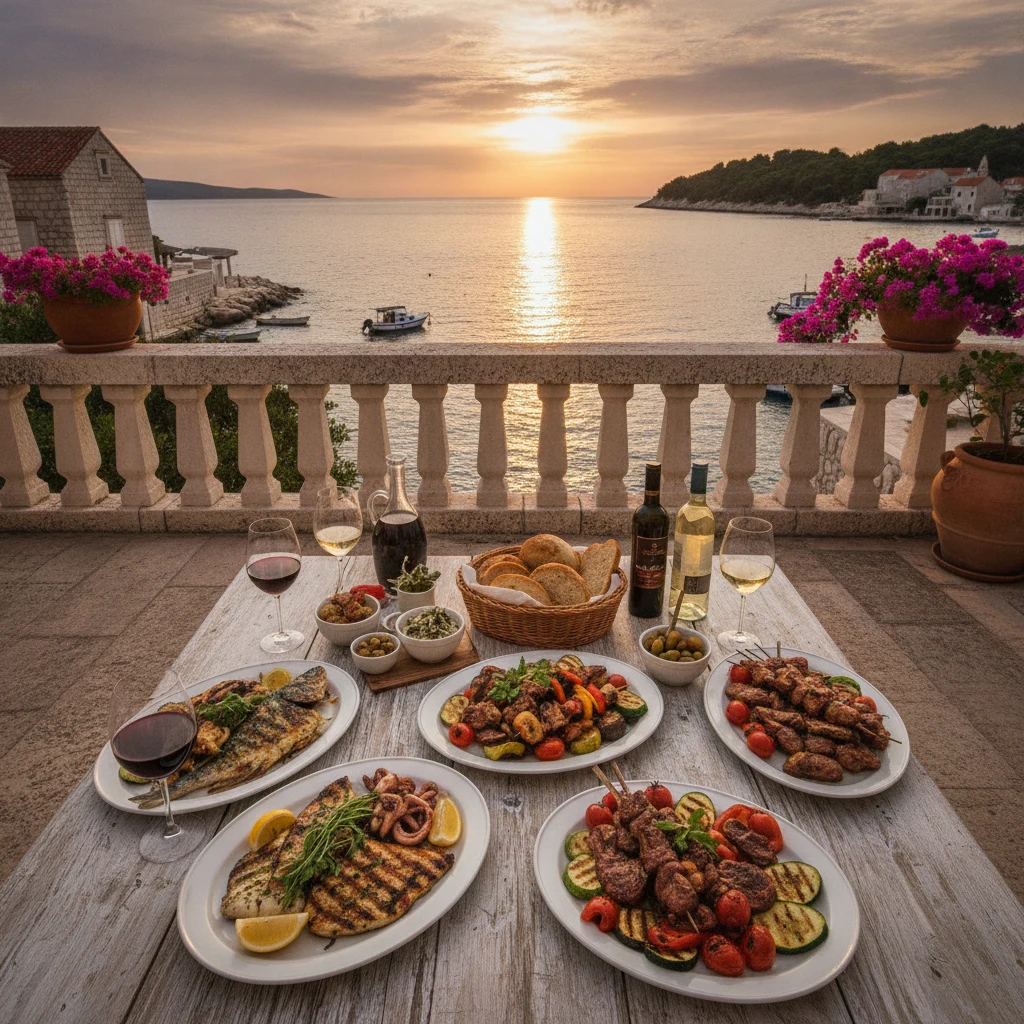
Comprehensive Price Breakdown & Comparison Table 2026
| Item/Service | Low Season Price (€) | High Season Price (€) |
|---|---|---|
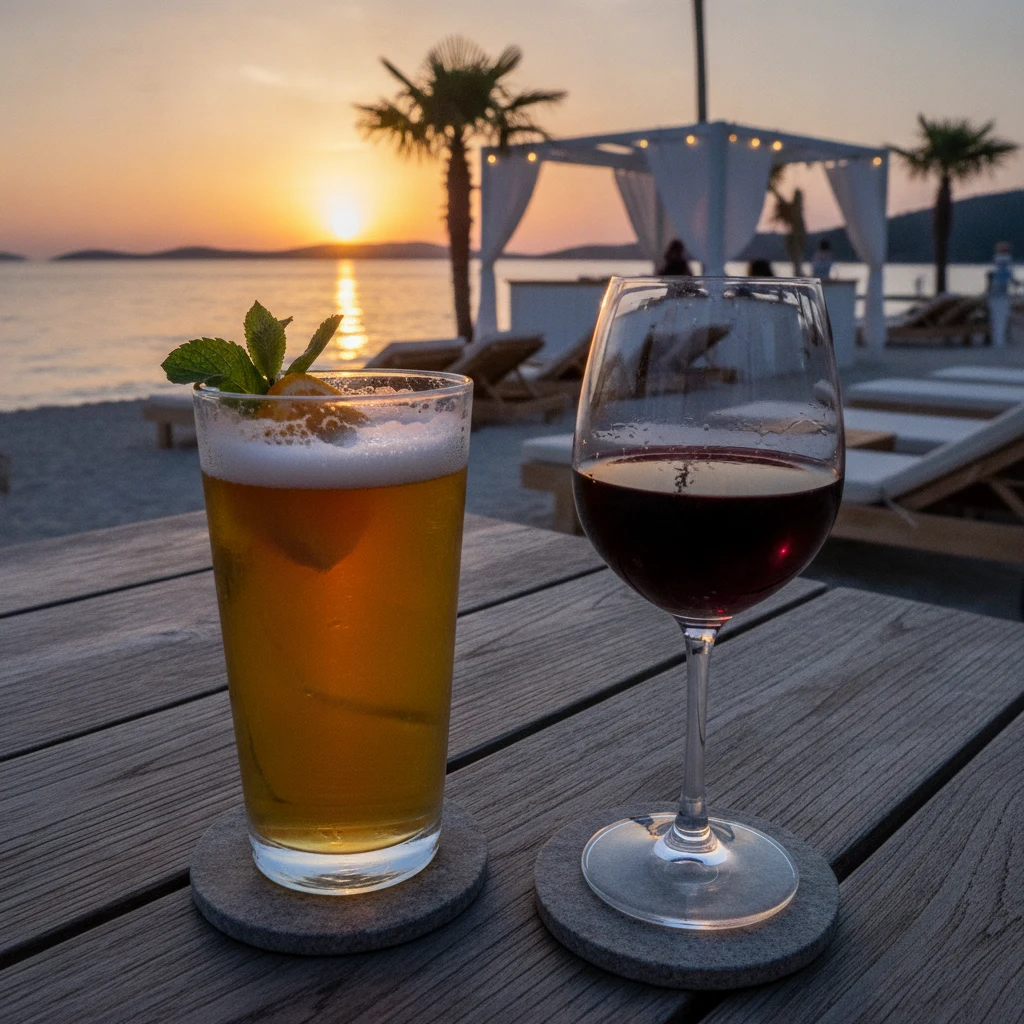
| Local beer (0.5L) | 2 | 5 |
| Glass of local wine | 3 | 7 |
| Pizza Margherita | 6 | 12 |
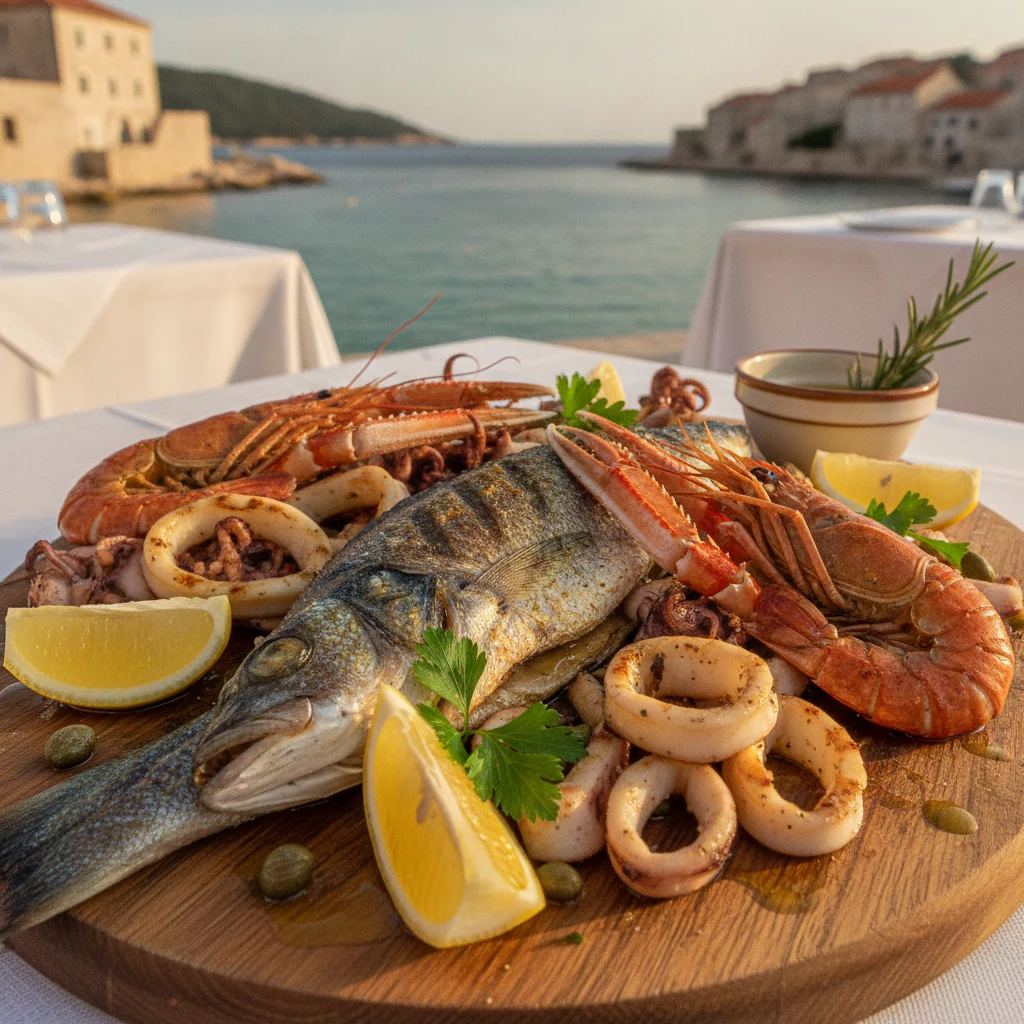
| Seafood platter | 15 | 30 |
| Traditional Peka | 20 | 40 |
| Three-course meal in a mid-range restaurant | 25 | 50 |
| Fast food meal | 5 | 10 |
| Coffee (espresso) | 1.50 | 3 |
| Tasting menu in a fine dining restaurant | 50 | 100 |
| Local cheese platter | 10 | 20 |
Regional Price Variations (Islands vs Coastal vs Inland)
Dining prices can vary significantly across different regions of Croatia. Coastal areas, particularly popular tourist destinations like Dubrovnik, Split, and Rovinj, tend to have higher prices due to demand. For instance, a seafood platter in Dubrovnik may cost around 30 € to 50 €, while the same dish in an inland town might only be 20 € to 30 €.
Island hotspots such as Hvar and Korčula also see inflated prices, especially during the summer months when tourists flock to the beaches. Conversely, dining in less touristy inland areas can provide a more affordable yet equally delicious experience, with many local taverns offering traditional meals at lower prices.
Insider Money-Saving Tips & Tourist Traps to Avoid
- Look for 'Marenda': Many restaurants offer a local lunch special called 'Marenda,' which is a great way to enjoy a meal at a reduced price.
- Shop at local markets: For budget-friendly meals, consider shopping at local markets for fresh produce and ingredients.
- Avoid tourist traps: Restaurants located directly on the main tourist routes or near major attractions often charge higher prices. Venture a few streets away for better deals.
- Be cautious with currency conversion: When using ATMs, avoid dynamic currency conversion options that can lead to unfavorable exchange rates.
- Understand tipping etiquette: While tipping is appreciated, it is not obligatory. A small tip of around 10% is sufficient for good service.
Payment Rules, Card Acceptance & Fiscal Receipts
In Croatia, it is common to pay with credit or debit cards, especially in urban areas and tourist destinations. However, some smaller establishments may only accept cash, so it's advisable to carry some euros with you. Always ask for a 'Fiskalni račun' (fiscal receipt) when you make a purchase, as this is a legal requirement in Croatia and helps ensure that the business is compliant with tax regulations.
In summary, understanding the dining landscape in Croatia will enhance your travel experience. With this guide, you can navigate the local cuisine confidently, enjoy delicious meals, and manage your budget effectively.