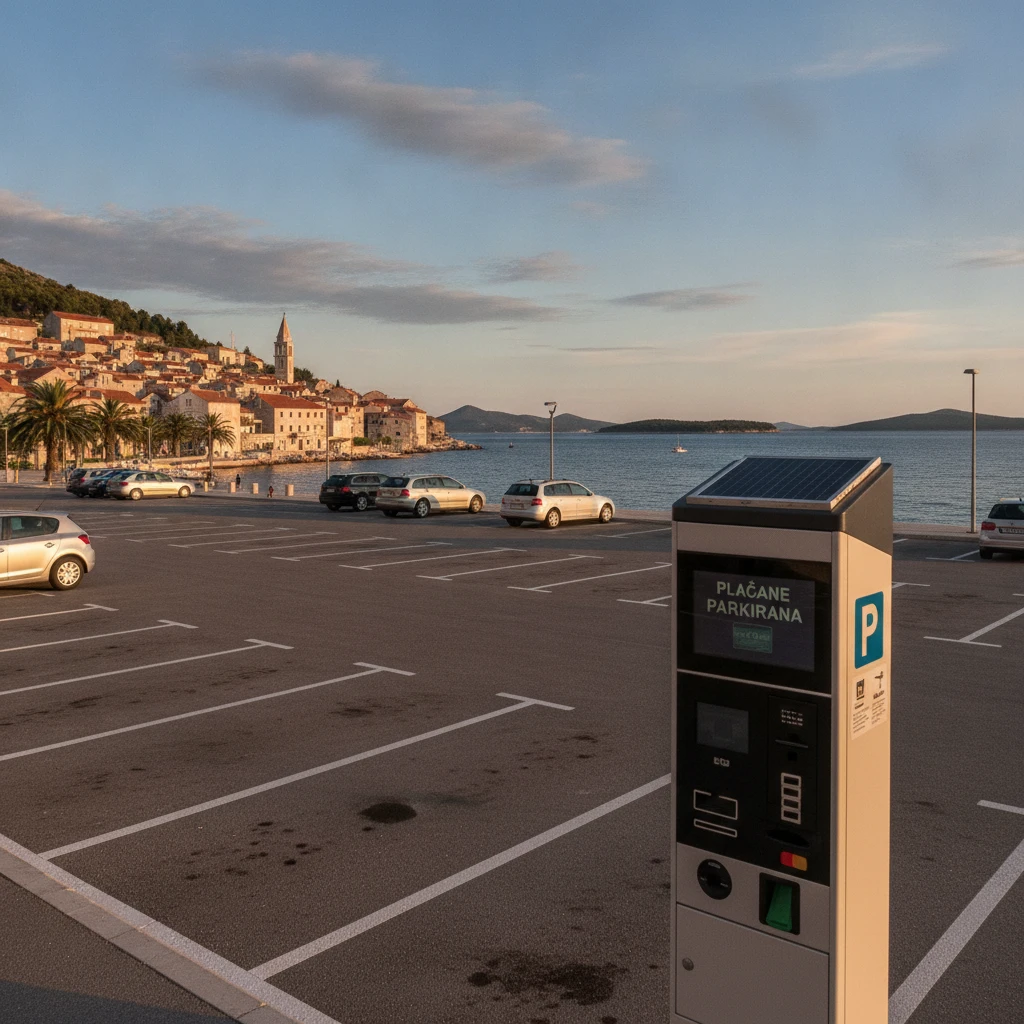
Current Situation & Pricing Overview 2026 in Croatia
As of 2026, Croatia has fully adopted the Euro, leading to a more stable pricing environment for tourists. The tourist tax, which varies by region, is a small but essential part of budgeting for your stay. After the Euro adoption, prices have seen a moderate increase due to inflation, but Croatia remains an affordable destination compared to other European coastal regions.
- Informative estimated average prices in Euros (€)
- Transparent low vs. high peak season price breakdown below
Comprehensive Price Breakdown & Comparison Table 2026
| Service | Low Season | High Season |
|---|---|---|
| Hotel Accommodation (3-star) | 70 € | 150 € |
| Hotel Accommodation (5-star) | 150 € | 400 € |
| Hostel Accommodation | 20 € | 50 € |
| Camping Fees | 15 € | 40 € |
| Meal at a Mid-range Restaurant | 15 € | 30 € |
| Public Transport Ticket | 1.50 € | 3 € |
Regional Price Variations (Islands vs Coastal vs Inland)
Prices can vary significantly across different regions in Croatia. Coastal areas and popular islands like Hvar and Korčula tend to be more expensive due to high demand, especially during the summer months. In contrast, inland areas may offer lower accommodation and dining prices. For example:
- Dubrovnik: High-end hotels and dining options, with prices peaking in July and August.
- Split: A mix of budget and luxury options, with vibrant nightlife and dining.
- Rovinj: Known for its charming old town, prices are moderate but can increase during festivals.
- Hvar: A hotspot for luxury travelers, with high accommodation prices in peak season.
Insider Money-Saving Tips & Tourist Traps to Avoid
To make the most of your budget while enjoying Croatia, consider the following tips:
- Lunch Specials: Look for 'Marenda' menus, offering local dishes at reduced prices during lunch hours.
- Grocery Shopping: Buy snacks and drinks from local supermarkets instead of tourist shops for better prices.
- ATM Fees: Avoid dynamic currency conversion at ATMs; choose to pay in Euros to avoid extra fees.
- Tipping: While not mandatory, rounding up the bill or leaving a 10% tip is appreciated in restaurants.
Payment Rules, Card Acceptance & Fiscal Receipts
In Croatia, most establishments accept credit and debit cards, but it's wise to carry some cash, especially in rural areas. According to Croatian fiscal law ('Fiskalni račun'), businesses must provide a fiscal receipt for every transaction. Always ask for a receipt, as it is essential for tracking expenses and may be required for any potential disputes.