Current Situation & Pricing Overview 2026 in Croatia
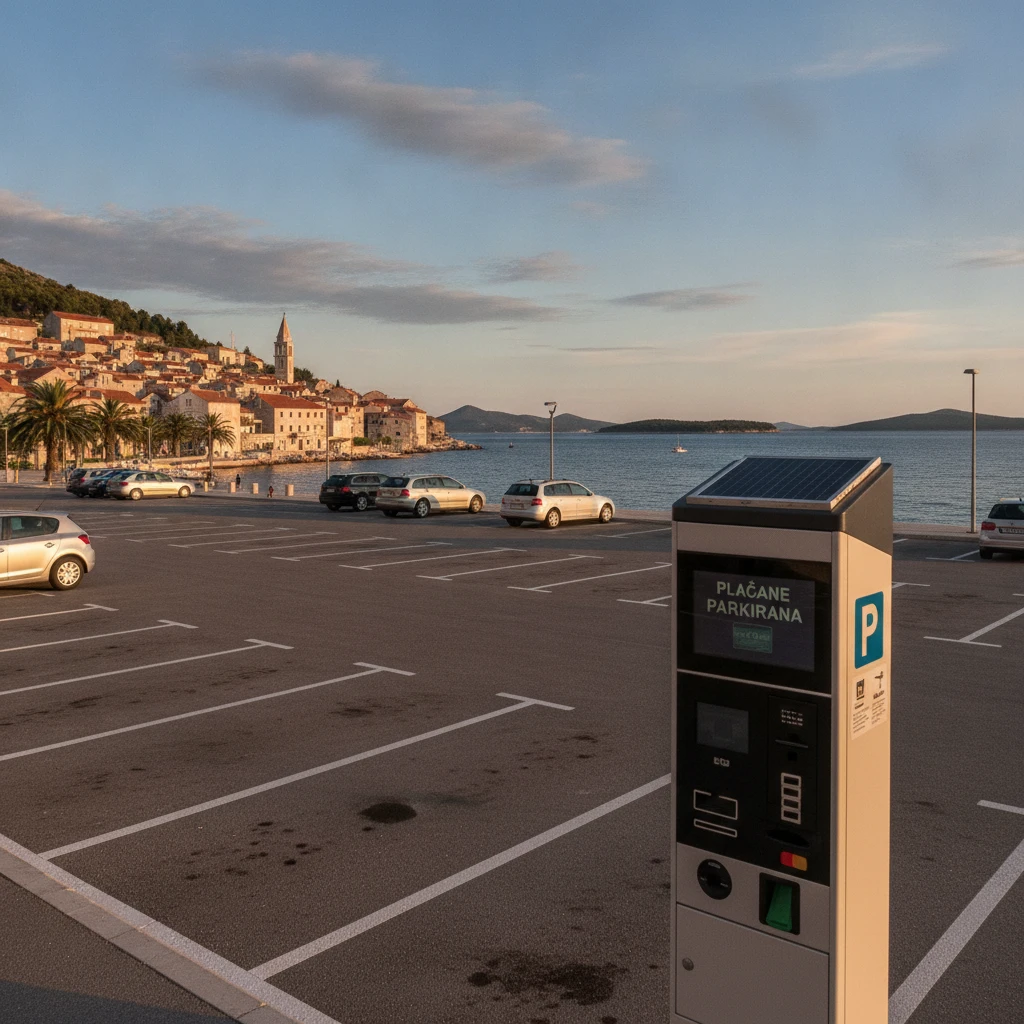
As of 2026, parking prices in Croatia have seen a notable shift following the adoption of the Euro. Inflation has influenced costs, particularly in tourist-heavy areas along the coast. Visitors can expect to pay more during the high season (June to September) when demand surges, especially in popular destinations like Dubrovnik and Split. In contrast, off-peak months can offer more budget-friendly options.
- Informative estimated average prices in Euros (€)
- Transparent low vs. high peak season price breakdown below
Comprehensive Price Breakdown & Comparison Table 2026
| Service | Low Season (€) | High Season (€) | Notes |
|---|---|---|---|
| Street Parking (City Center) | 1 | 3 | Varies by zone |
| Public Parking Lot | 5 | 15 | Daily rates apply |
| Private Parking (Hotels) | 10 | 25 | Reservation recommended |
| Parking Near Beaches | 2 | 5 | Limited spaces |
| Long-Term Parking (Airports) | 50 | 100 | Weekly rates |
| Valet Parking | 15 | 30 | Available at select locations |
Regional Price Variations (Islands vs Coastal vs Inland)
Parking prices vary significantly across Croatia's regions. Coastal areas, especially tourist hotspots like Hvar and Korčula, tend to have higher rates due to demand. For instance, parking in Dubrovnik can reach up to 3 € per hour in the city center, while in Split, it may range from 1.50 € to 2.50 € per hour. In contrast, inland areas such as Slavonia offer more affordable parking options, often free or less than 1 € per hour.
Insider Money-Saving Tips & Tourist Traps to Avoid
- Local Lunch Specials: Look for 'Marenda' deals in local eateries, offering affordable meals.
- Grocery Shopping Hacks: Purchase snacks and drinks from supermarkets to save on dining costs.
- Avoid Dynamic Currency Conversion: Always choose to pay in Euros to avoid unfavorable exchange rates.
- Tipping Etiquette: While not mandatory, rounding up the bill or leaving a small tip is appreciated.
Payment Rules, Card Acceptance & Fiscal Receipts
In Croatia, it is essential to understand the fiscal law ('Fiskalni račun'), which mandates businesses to provide a receipt for all transactions. Always ask for a receipt, especially when paying in cash, as it may be required for any disputes or refunds. While larger cities and tourist areas widely accept credit cards, smaller towns may still prefer cash. It's advisable to carry some cash for convenience.