Current Situation & Pricing Overview 2026 in Croatia
The property management landscape in Croatia has evolved significantly following the adoption of the Euro in 2023. Prices have seen a moderate increase due to inflation, but the overall cost of living remains competitive compared to other European destinations. Visitors can expect property management fees to be transparent, with many companies offering a range of services tailored to both short-term and long-term rentals.
As of 2026, the average monthly fee for property management in coastal regions varies widely based on the services provided and the property's location. Key holding services, cleaning, and maintenance are essential components that tourists and expats should consider when budgeting for their stay.
- Informative estimated average prices in Euros (€)
- Transparent low vs. high peak season price breakdown below
Comprehensive Price Breakdown & Comparison Table 2026
| Service | Low Season (€) | High Season (€) |
|---|---|---|
| Property Management Fee | 100 | 300 |
| Key Holding Service | 15 | 50 |
| Cleaning Service | 50 | 150 |
| Maintenance Service | 20 | 100 |
| Gardening Service | 30 | 80 |
| Emergency Repairs | 50 | 200 |
Regional Price Variations (Islands vs Coastal vs Inland)
Coastal areas such as Dubrovnik, Split, and Rovinj are among the most sought-after locations, resulting in higher property management costs. In contrast, less touristy inland areas may offer more affordable options. Islands like Hvar and Korčula also have unique pricing structures due to their popularity and accessibility.
- Dubrovnik: Higher management fees due to demand, averaging 250 € per month.
- Split: Moderate pricing with average fees around 200 € per month.
- Hvar: Premium pricing for property management, often exceeding 300 € per month during peak season.
- Inland Areas: More affordable options, with fees starting from 100 € per month.
Insider Money-Saving Tips & Tourist Traps to Avoid
To make the most of your budget while managing property in Croatia, consider the following tips:
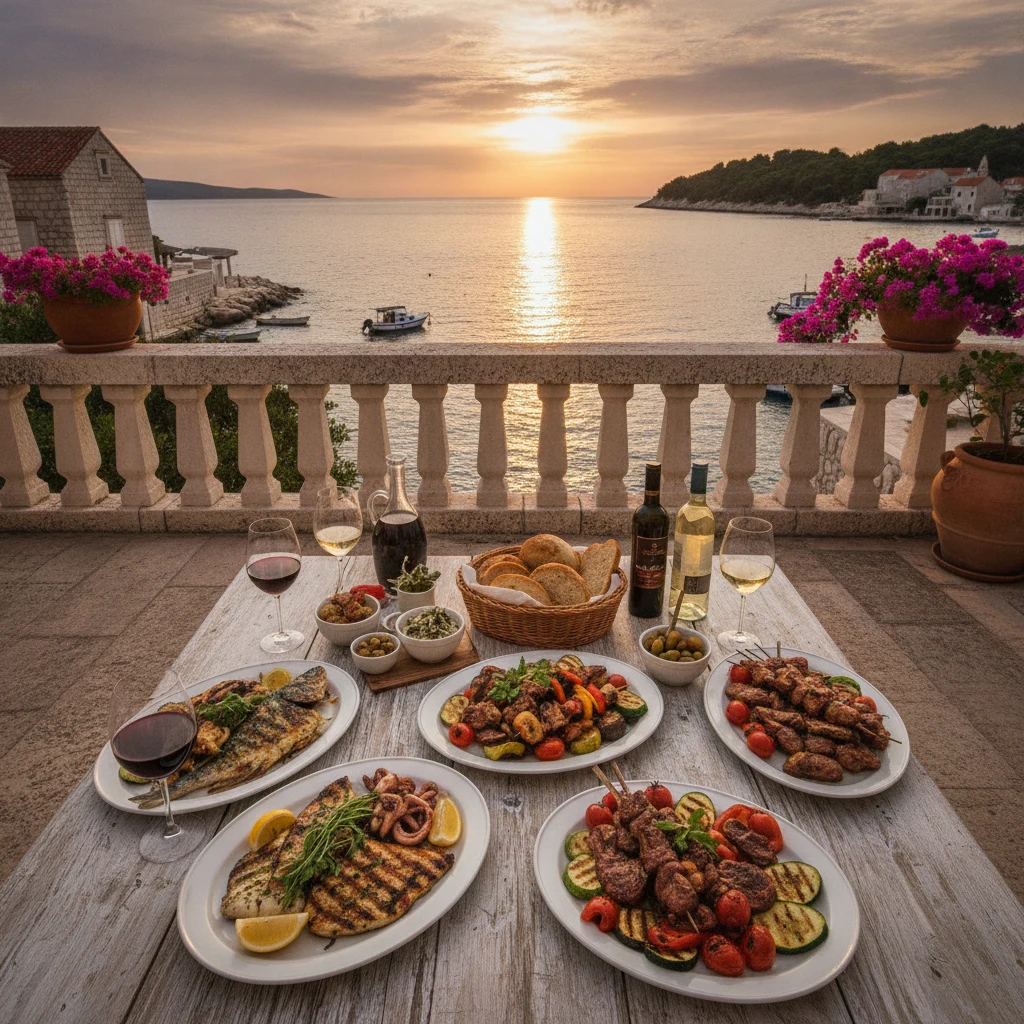
- Local Lunch Specials: Look for 'Marenda' deals, which offer affordable meals at local restaurants.
- Grocery Shopping: Buy local produce and avoid touristy shops for better prices.
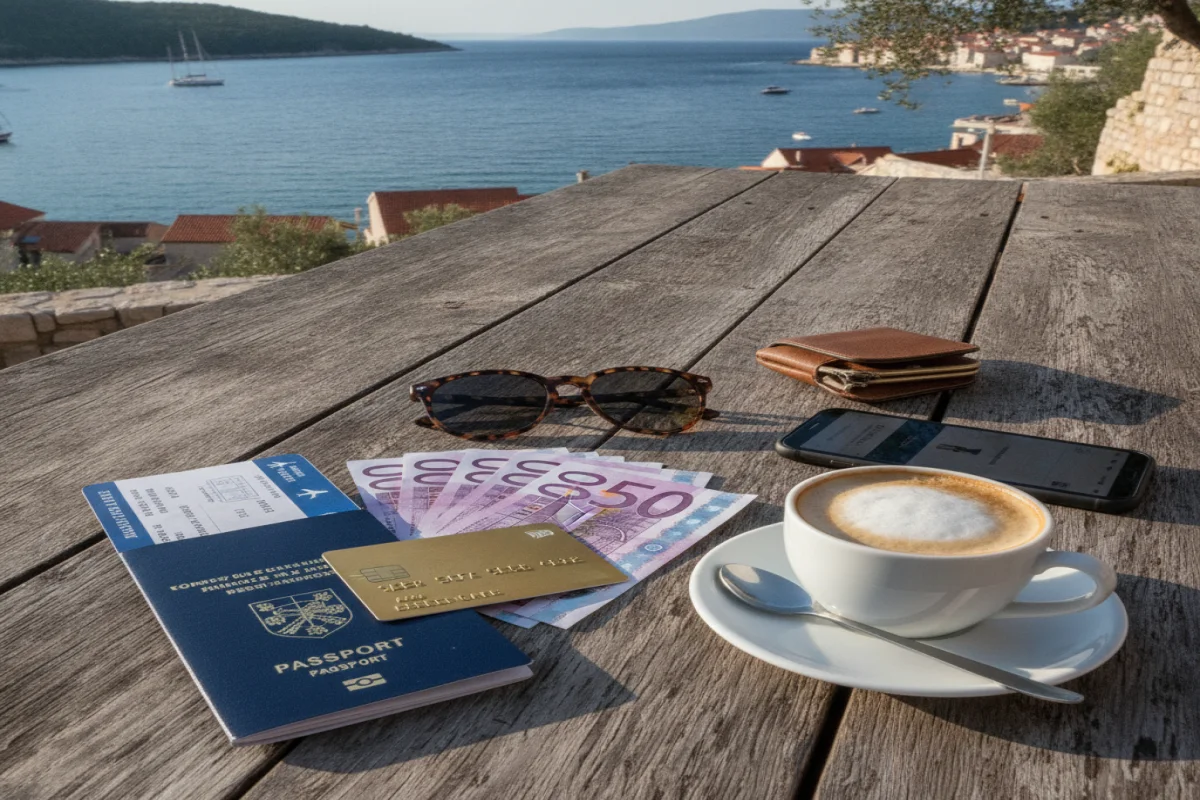
- Dynamic Currency Conversion: Always choose to pay in Euros to avoid unfavorable exchange rates at ATMs.
- Tipping Etiquette: A small tip (around 10%) is appreciated but not mandatory.
Payment Rules, Card Acceptance & Fiscal Receipts
In Croatia, it's essential to understand the payment landscape. While many establishments accept credit and debit cards, cash remains king, especially in rural areas. Always ask for a fiscal receipt ('Fiskalni račun') for any cash transactions, as this is a legal requirement and protects you in case of disputes.
Be aware that some property management services may charge extra for card payments. Therefore, it's advisable to clarify payment methods upfront to avoid surprises.