Current Situation & Pricing Overview 2026 in Croatia
As Croatia embraces the Euro, the dining landscape has seen significant changes. Post-Euro adoption, inflation has caused a moderate increase in restaurant prices, but the overall cost of dining remains reasonable compared to other European destinations. Visitors can expect to pay a bit more in tourist-heavy areas, especially along the stunning Adriatic coast, where seaside dining experiences are popular.
- Informative estimated average prices in Euros (€)
- Transparent low vs. high peak season price breakdown below
Comprehensive Price Breakdown & Comparison Table 2026
| Service | Low Season Price (€) | High Season Price (€) |
|---|---|---|
| Basic meal at a local restaurant | 10 € | 20 € |
| Three-course meal for two at mid-range restaurant | 50 € | 80 € |
| Fast food combo meal | 6 € | 10 € |
| Local beer (0.5L) | 3 € | 5 € |
| Cappuccino | 2 € | 4 € |
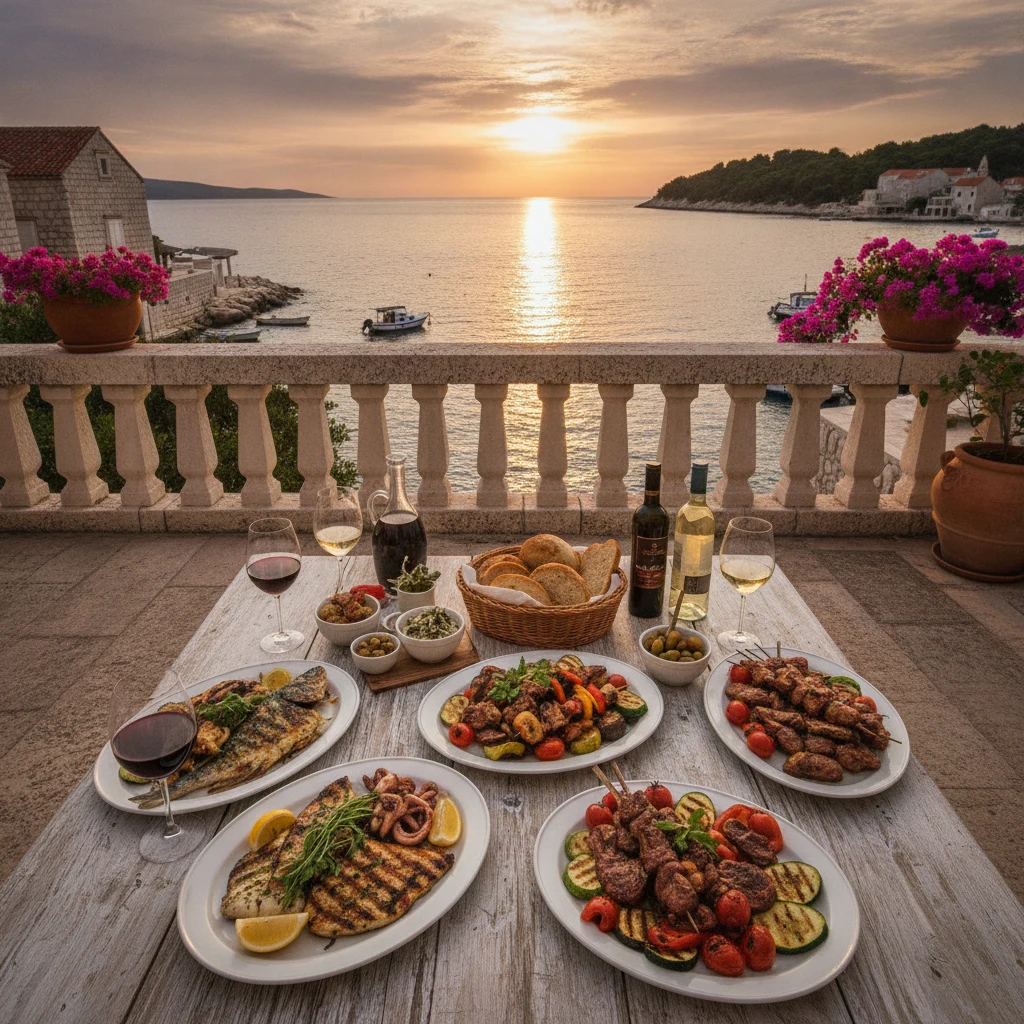
| Seafood platter | 30 € | 60 € |
Regional Price Variations (Islands vs Coastal vs Inland)
Dining prices can vary significantly across Croatia's diverse regions. Coastal areas, especially popular islands like Hvar and Korčula, tend to have higher prices due to their tourist appeal. In contrast, inland regions such as Slavonia offer more affordable dining options. For instance, a seafood platter in Dubrovnik may cost around 60 €, while the same dish in a local restaurant in Slavonia might be priced closer to 30 €.
Insider Money-Saving Tips & Tourist Traps to Avoid
- Lunch Specials: Look for 'Marenda', a local lunch special that offers great value for money.
- Grocery Shopping: Consider shopping at local markets for fresh produce and snacks to save on meals.
- Avoid Dynamic Currency Conversion: Always choose to pay in the local currency to avoid unfavorable exchange rates.
- ATM Fees: Use ATMs associated with banks to minimize withdrawal fees.
- Tipping Etiquette: A tip of around 10% is appreciated for good service, but not mandatory.
Payment Rules, Card Acceptance & Fiscal Receipts
In Croatia, it is essential to request a fiscal receipt ('Fiskalni račun') when making a purchase, as this is a legal requirement. Most restaurants accept credit cards, but it's wise to carry cash for smaller establishments. Always check the card acceptance policy before dining to avoid any inconvenience.