Current Situation & Pricing Overview 2026 in Croatia
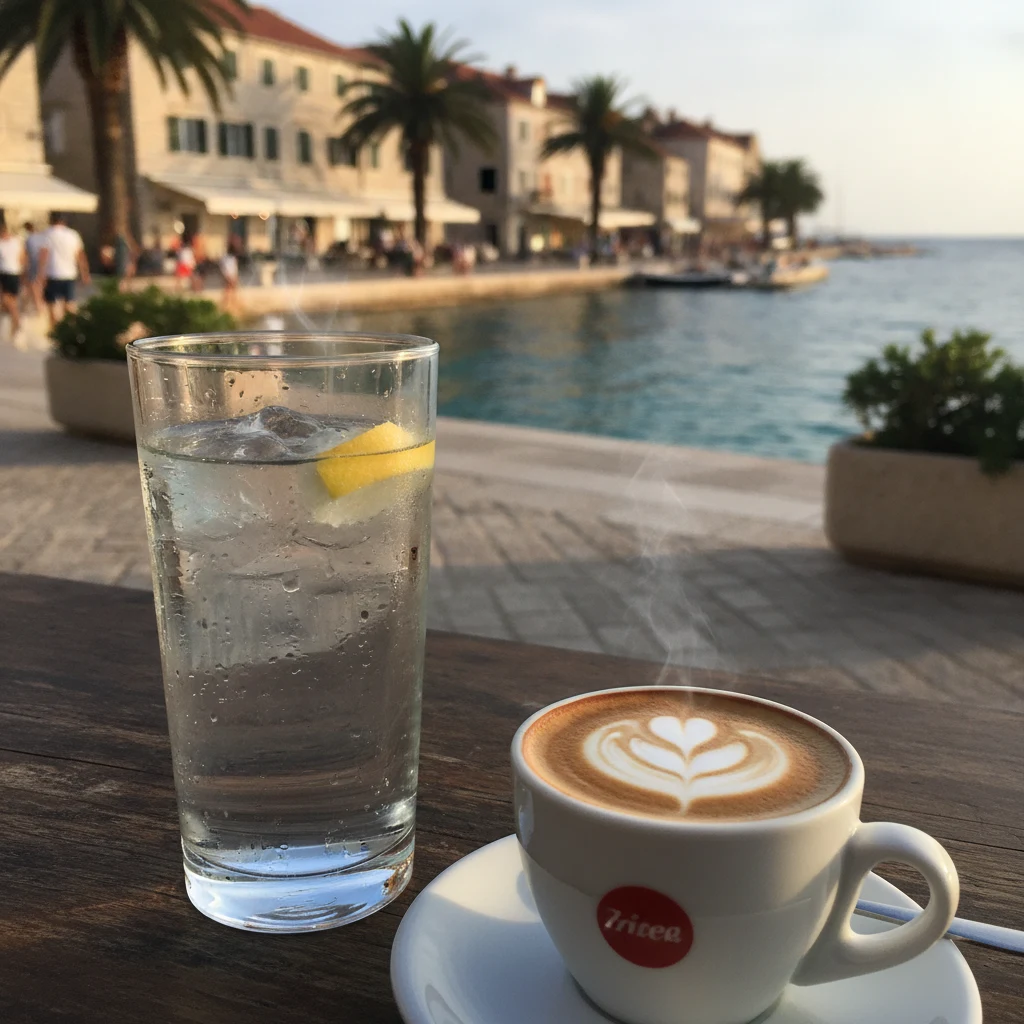
As Croatia continues to embrace its new currency, the Euro, the landscape of coffee and soft drink prices has seen notable changes. Post-Euro adoption, prices have stabilized, yet inflation has influenced costs, particularly in tourist-heavy regions. Visitors can expect to pay a bit more during peak seasons, especially along the stunning Adriatic coast, where cafes and beach bars thrive.
- Informative estimated average prices in Euros (€)
- Transparent low vs. high peak season price breakdown below
Comprehensive Price Breakdown & Comparison Table 2026
| Item | Low Season Price (€) | High Season Price (€) | Budget Range (€) | Luxury Range (€) |
|---|---|---|---|---|
| Espresso | 1.50 | 3.00 | 1.50 - 2.00 | 2.50 - 3.00 |
| Cappuccino | 2.50 | 4.00 | 2.50 - 3.00 | 3.50 - 4.00 |
| Soft Drink | 1.50 | 3.50 | 1.50 - 2.00 | 3.00 - 3.50 |
| Local Wine | 3.00 | 6.00 | 3.00 - 4.00 | 5.00 - 6.00 |
| Craft Beer | 2.50 | 5.00 | 2.50 - 3.50 | 4.00 - 5.00 |
Regional Price Variations (Islands vs Coastal vs Inland)
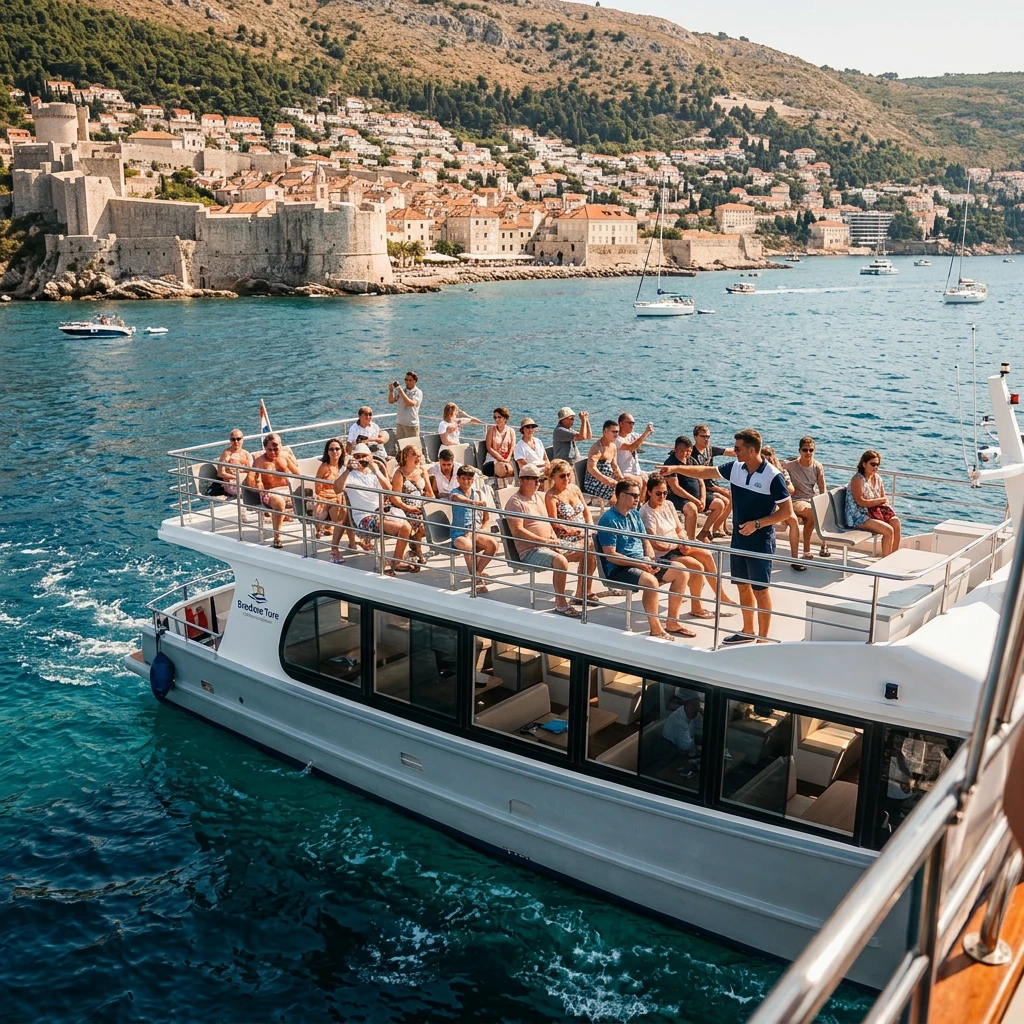
Price variations across Croatia are significant, especially when comparing coastal areas to inland regions. For instance, on the islands like Hvar and Korčula, expect to pay around 20-30% more for drinks than in cities like Split or inland towns. Dubrovnik, being a major tourist magnet, can see prices soar, particularly in the Old Town. In contrast, smaller towns and villages inland offer more affordable options, making them ideal for budget-conscious travelers.
Insider Money-Saving Tips & Tourist Traps to Avoid
- Look for 'Marenda': Many local cafes offer special lunch deals that include drinks at a reduced price.
- Shop at Grocery Stores: For soft drinks and snacks, local supermarkets often have better prices than cafes.
- Avoid Dynamic Currency Conversion: When using ATMs or paying by card, opt to pay in Euros to avoid unfavorable exchange rates.
- Ask for Fiscal Receipts: Always request a 'Fiskalni račun' to ensure your payment is recorded and to avoid potential issues.
- Tipping Etiquette: While not mandatory, rounding up your bill or leaving a small tip is appreciated in Croatia.
Payment Rules, Card Acceptance & Fiscal Receipts
In Croatia, both cash and card payments are widely accepted, but cash remains king in smaller establishments. The Croatian fiscal law mandates that all businesses provide a fiscal receipt ('Fiskalni račun') for purchases, which is crucial for tax purposes. Always ask for your receipt, especially if you plan to claim expenses or if you encounter any discrepancies with your bill.