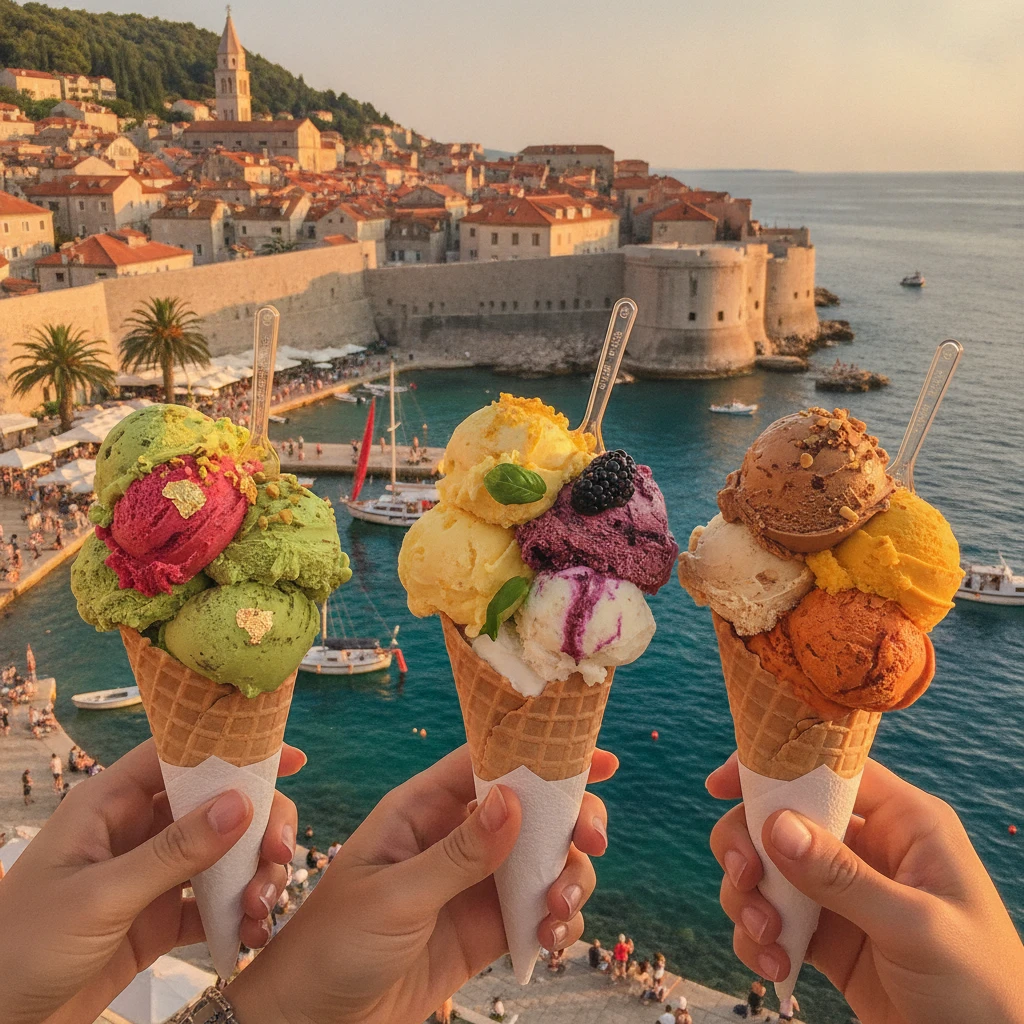
Current Situation & Pricing Overview 2026 in Croatia
As Croatia fully integrates the Euro as its currency, supermarket prices have seen a notable shift. The transition has brought about a slight increase in prices due to inflation and the cost of imports. Tourists can expect to pay a bit more than in previous years, especially in coastal regions where demand is high during the summer months. However, the overall cost of living remains relatively affordable compared to many Western European countries.
- Informative estimated average prices in Euros (€)
- Transparent low vs. high peak season price breakdown below
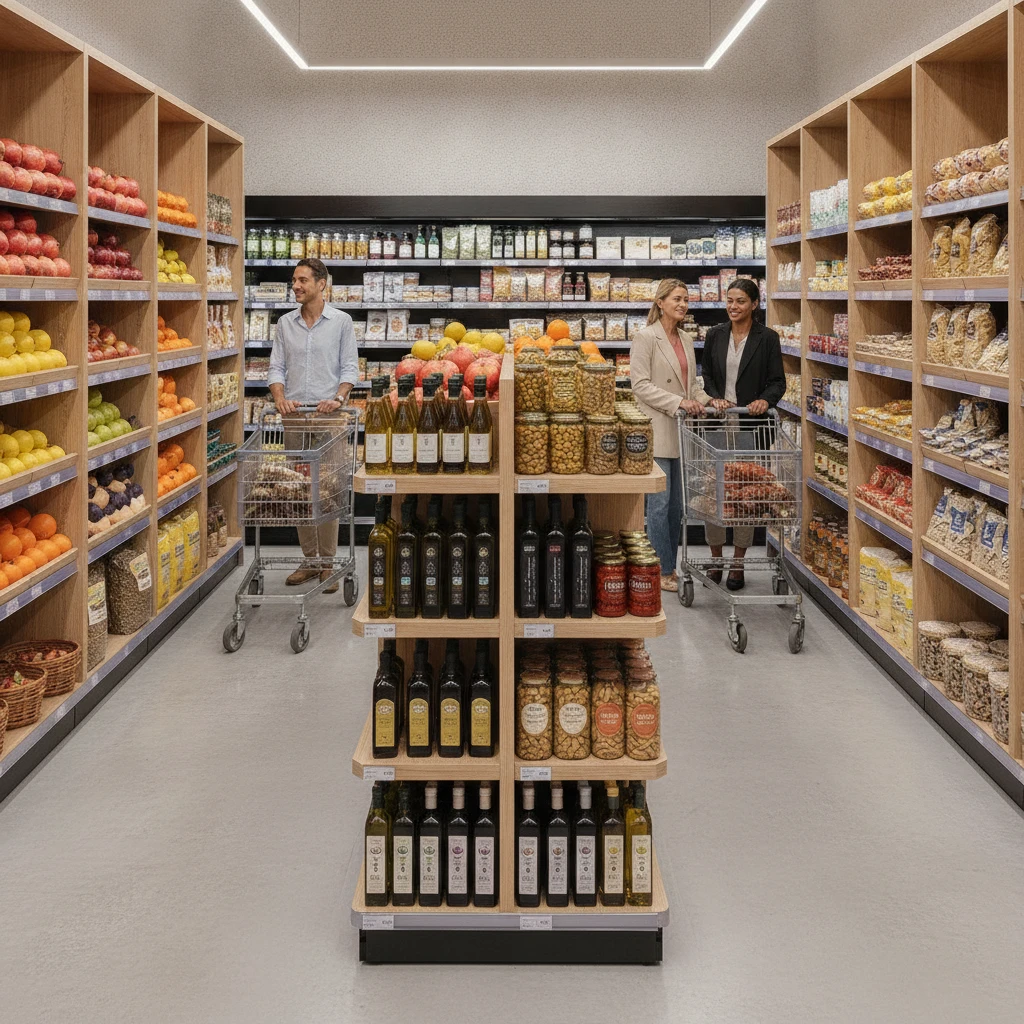
Comprehensive Price Breakdown & Comparison Table 2026
| Item | Low Season Price (€) | High Season Price (€) |
|---|---|---|
| Loaf of bread | 1.00 | 1.50 |
| 1 liter of milk | 0.90 | 1.20 |
| 1 kg of apples | 1.50 | 3.00 |
| 1 kg of chicken breast | 6.00 | 10.00 |
| 1 kg of rice | 1.50 | 3.00 |
| Bottle of water (1.5L) | 0.50 | 1.00 |
| Pasta (500g) | 0.80 | 1.50 |
| Local beer (0.5L) | 1.50 | 3.00 |
| Coffee (café) | 1.50 | 3.00 |
| Pack of cigarettes | 5.00 | 6.50 |
Regional Price Variations (Islands vs Coastal vs Inland)
Prices can vary significantly across different regions of Croatia. Coastal areas and popular islands such as Hvar and Korčula often have higher prices due to their tourist appeal. For instance, a meal in a seaside restaurant might cost 20-30% more than in inland towns like Slavonski Brod or Sisak. Dubrovnik and Split are particularly known for their premium pricing, especially during the summer season when tourists flock to the beaches.
Insider Money-Saving Tips & Tourist Traps to Avoid
- Local Lunch Specials: Look for 'Marenda' specials, which offer affordable lunch options in local eateries.
- Grocery Shopping Hacks: Visit local markets for fresh produce and avoid supermarkets in tourist areas for better prices.
- Dynamic Currency Conversion: Always choose to pay in the local currency (EUR) when using credit cards to avoid unfavorable exchange rates.
- ATM Fees: Use ATMs affiliated with your bank to minimize withdrawal fees.
- Tipping Etiquette: Tipping is appreciated but not mandatory; rounding up the bill is common practice.
Payment Rules, Card Acceptance & Fiscal Receipts
In Croatia, most supermarkets accept major credit and debit cards, including Visa and Mastercard. However, smaller shops and markets may only accept cash. It's crucial to ask for a fiscal receipt ('Fiskalni račun') after your purchase, as this is required by Croatian law and can be useful for warranty claims or returns. Always keep an eye on your spending, as some establishments may charge extra fees for card transactions.