Current Situation & Pricing Overview 2026 in Croatia
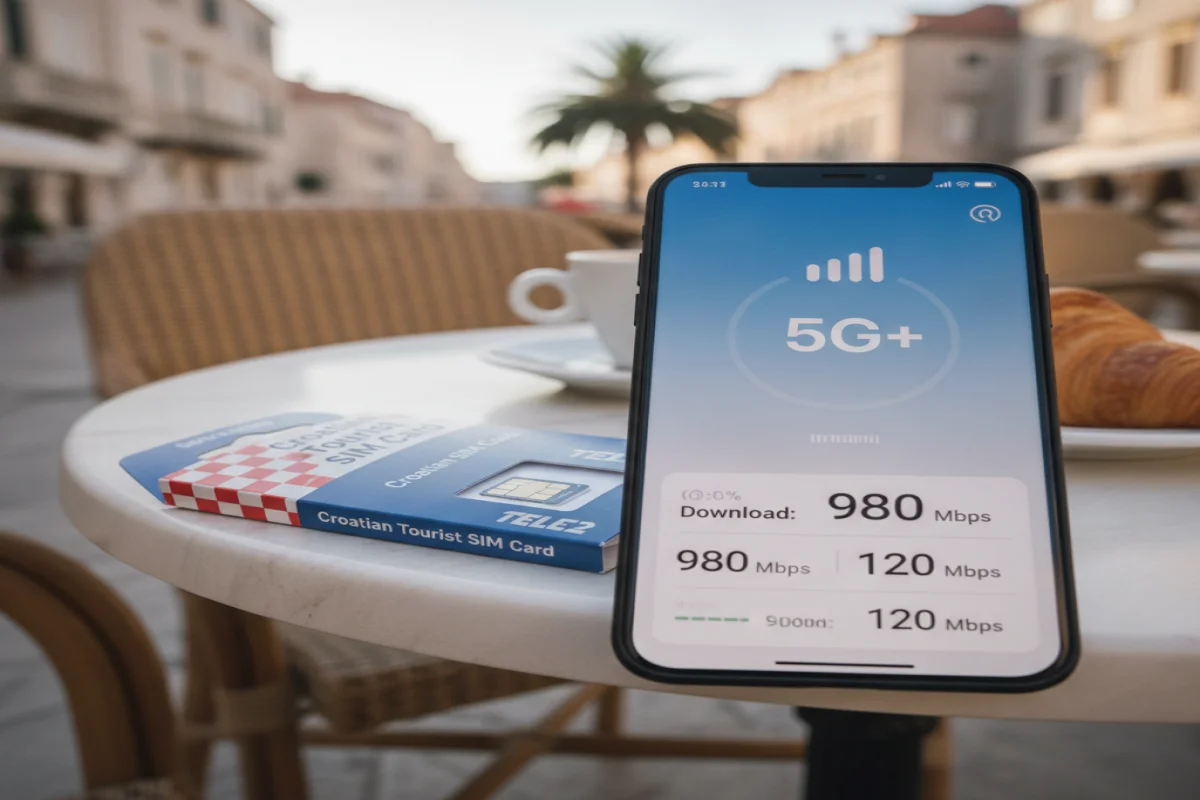
In 2026, Croatia's mobile internet landscape has evolved significantly, particularly after the adoption of the Euro. Prices for mobile data services have seen a slight increase due to inflation, but competition among providers keeps them relatively affordable. Tourists can expect to pay between 10 € and 30 € for a prepaid SIM card, which typically includes a data package suitable for browsing and social media.
With the stunning coastal regions attracting visitors year-round, the demand for mobile internet has surged. As a result, many providers offer attractive packages tailored for tourists, ensuring that you can stay connected while enjoying the beautiful beaches and seaside activities.
- Informative estimated average prices in Euros (€)
- Transparent low vs. high peak season price breakdown below
Comprehensive Price Breakdown & Comparison Table 2026
| Service | Low Season Price (€) | High Season Price (€) |
|---|---|---|
| Prepaid SIM Card (Data Only) | 10 € | 30 € |
| Monthly Mobile Data Plan | 20 € | 50 € |
| Daily Data Pass | 5 € | 10 € |
| Mobile Wi-Fi Hotspot Rental | 15 € | 25 € |
| International Roaming Charges | 0.50 € | 1.50 € |
| Local SIM Card Activation Fee | 0 € | 5 € |
Regional Price Variations (Islands vs Coastal vs Inland)
Prices for mobile internet can vary significantly across different regions of Croatia. In popular tourist hotspots such as Hvar and Korčula, you may find higher prices due to increased demand. In contrast, inland areas may offer more competitive rates. Here’s a brief overview:
- Coastal Areas: Expect to pay a premium in cities like Dubrovnik and Split, where tourist traffic is high.
- Island Prices: Islands like Hvar may have slightly elevated prices for SIM cards and data plans.
- Inland Regions: Areas away from the coast, such as Slavonia, often have lower prices and better deals.
Insider Money-Saving Tips & Tourist Traps to Avoid
To make the most of your mobile internet experience in Croatia, consider these tips:
- Look for Local Lunch Specials: Many restaurants offer 'Marenda' deals, which can save you money on meals.
- Grocery Shopping Hacks: Buy snacks and drinks from local supermarkets rather than tourist shops to save money.
- Avoid Dynamic Currency Conversion: Always choose to pay in the local currency to avoid unfavorable exchange rates.
- ATM Traps: Use ATMs affiliated with banks to avoid high withdrawal fees.
- Tipping Etiquette: A small tip (10-15%) is appreciated but not mandatory; check your bill for included service charges.
Payment Rules, Card Acceptance & Fiscal Receipts
In Croatia, cash is still widely used, but credit and debit cards are accepted in most establishments, especially in tourist areas. However, always ask if a place accepts cards before ordering. According to Croatian fiscal law ('Fiskalni račun'), businesses must provide a receipt for every transaction, which is important for tax purposes. Always ask for a receipt, especially if you plan to claim any expenses later.