Current Situation & Pricing Overview 2026 in Croatia
As of 2026, Croatia has fully adopted the Euro, leading to a significant shift in pricing across various sectors, including the alcohol market. Following the Euro adoption, many tourists have noticed a slight increase in prices due to inflation and the rising cost of living. However, Croatia remains an affordable destination for travelers, especially when it comes to enjoying local beverages.
Visitors can expect to find a diverse range of alcoholic options, from locally brewed beers to exquisite wines and creative cocktails. The coastal regions, known for their vibrant nightlife and stunning seaside views, offer a plethora of choices for every budget.
- Informative estimated average prices in Euros (€)
- Transparent low vs. high peak season price breakdown below
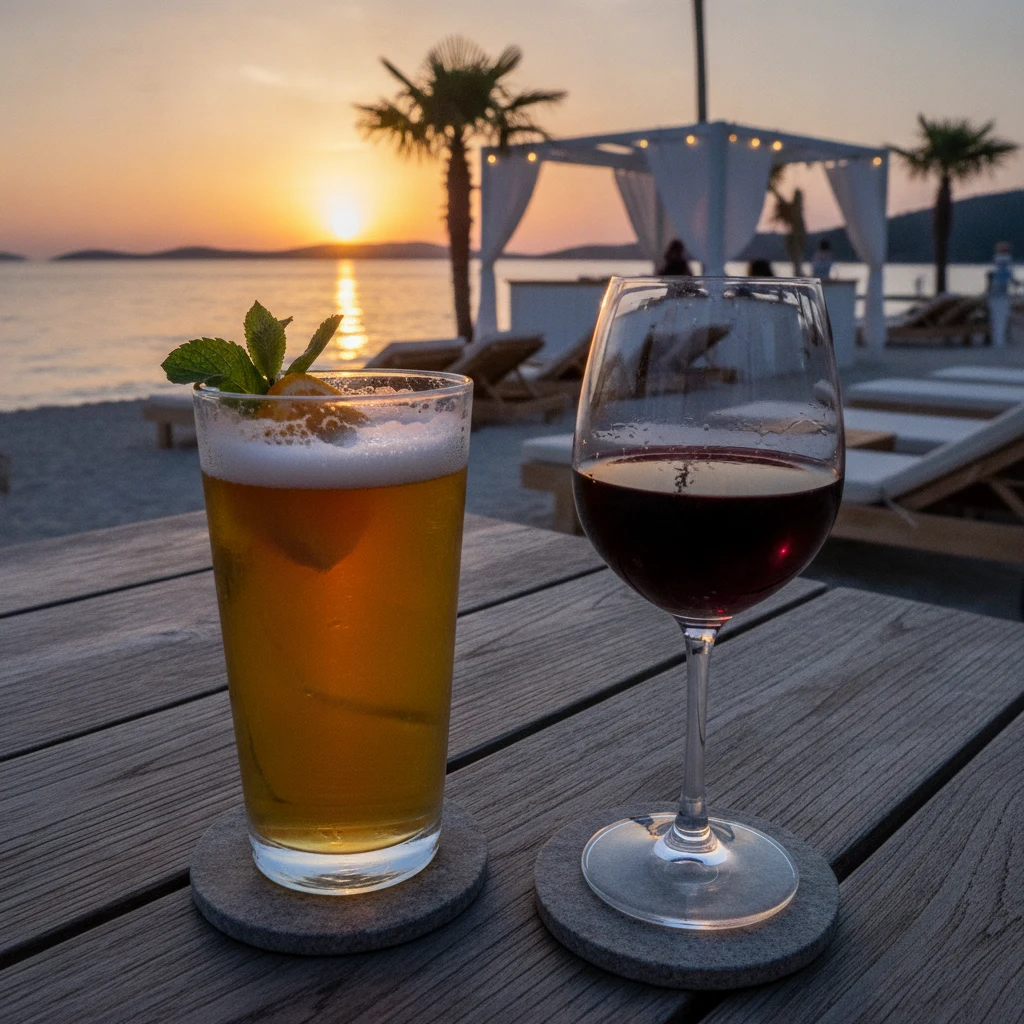
Comprehensive Price Breakdown & Comparison Table 2026
| Item | Low Season Price (€) | High Season Price (€) |
|---|---|---|
| Local Beer (0.5L) | 2 € | 5 € |
| Imported Beer (0.5L) | 3 € | 6 € |
| House Wine (0.15L) | 2 € | 4 € |
| Premium Wine (0.15L) | 5 € | 10 € |
| Cocktails (Standard) | 6 € | 12 € |
| Cocktails (Premium) | 10 € | 20 € |
| Local Spirits (0.5L) | 10 € | 25 € |
| Soft Drinks (0.33L) | 1 € | 2.5 € |
Regional Price Variations (Islands vs Coastal vs Inland)
Prices for alcohol can vary significantly depending on the region. Coastal towns like Dubrovnik and Split tend to have higher prices due to their popularity among tourists. In contrast, smaller towns and inland areas often offer more affordable options. For example:
- Hvar Island: Known for its vibrant nightlife, expect to pay premium prices for cocktails and imported beers.
- Korčula: Offers a mix of local wines and beers at reasonable prices, especially in local konobas.
- Dubrovnik: High-end bars may charge up to 20 € for cocktails, while local taverns offer more budget-friendly options.
- Split: Similar to Dubrovnik, but with a wider range of prices due to its larger size and more local establishments.
- Inland Areas: Generally, prices drop significantly, with local wines and beers available at lower rates.
Insider Money-Saving Tips & Tourist Traps to Avoid
To make the most of your budget while enjoying Croatia's drinks, consider the following tips:
- Look for 'Marenda': Many local restaurants offer lunch specials that include a drink, making it a great way to save money.
- Shop at Local Markets: Purchasing alcohol from local supermarkets can save you a lot compared to bar prices.
- Avoid Currency Conversion Fees: Use ATMs that dispense Euros directly to avoid dynamic currency conversion fees.
- Ask for a Fiscal Receipt: Always request a receipt to ensure you are charged correctly and to help with any disputes.
- Tipping Etiquette: While tipping is not mandatory, leaving a small tip for good service is appreciated.
Payment Rules, Card Acceptance & Fiscal Receipts
In Croatia, most establishments accept credit and debit cards, but it's wise to carry some cash, especially in smaller towns or rural areas. The Croatian fiscal system requires businesses to issue a fiscal receipt ('Fiskalni račun') for every transaction. This receipt is important for both tax purposes and consumer protection, ensuring that you are charged correctly.
When using a card, be aware of potential foreign transaction fees and always opt for transactions in Euros to avoid unfavorable exchange rates. In tourist-heavy areas, prices may be inflated, so always check the menu before ordering.