Current Situation & Pricing Overview 2026 in Croatia
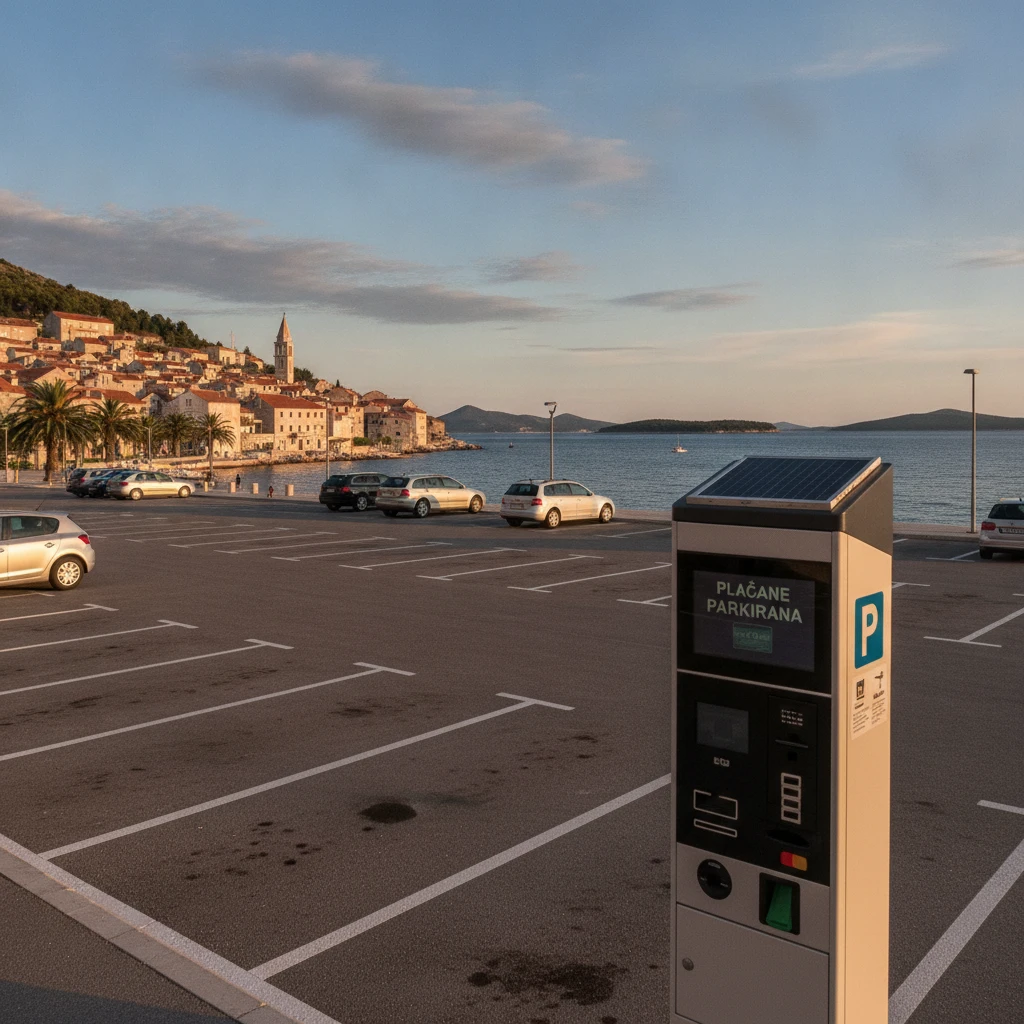
As of 2026, the parking landscape in Croatia has evolved significantly following the adoption of the Euro. Prices have seen a moderate increase due to inflation, particularly in tourist hotspots along the coast. Visitors can expect to pay higher rates in popular areas like Dubrovnik and Split, especially during the summer months when demand peaks. Understanding the local pricing structure is essential for budget-conscious travelers.
- Informative estimated average prices in Euros (€)
- Transparent low vs. high peak season price breakdown below
Comprehensive Price Breakdown & Comparison Table 2026
| Service | Low Season Price | High Season Price |
|---|---|---|
| Street Parking (Coastal Areas) | 1 € | 3 € |
| Street Parking (Inland Areas) | 0.50 € | 2 € |
| Public Parking Lots (Dubrovnik) | 15 € | 25 € |
| Public Parking Lots (Split) | 10 € | 20 € |
| Private Parking (Hvar) | 20 € | 40 € |
| Valet Parking (Luxury Hotels) | 30 € | 50 € |
| Parking at Beaches (Zlatni Rat) | 5 € | 10 € |
| Motorhome Parking | 10 € | 30 € |
| Parking Fines | 40 € | 150 € |
Regional Price Variations (Islands vs Coastal vs Inland)
Parking prices in Croatia vary significantly based on location. Coastal areas, particularly tourist-heavy islands like Hvar and Korčula, tend to have higher parking fees compared to inland regions. For example, parking in Dubrovnik can cost up to 25 € per day, while in smaller towns, it may only be 10 € per day. Additionally, during the peak summer season, prices can surge, making it essential for travelers to plan ahead.
Insider Money-Saving Tips & Tourist Traps to Avoid
- Lunch Specials: Look for local lunch specials known as 'Marenda' which offer great meals at reduced prices.
- Grocery Shopping: Buy snacks and drinks from local grocery stores instead of tourist shops to save money.
- Dynamic Currency Conversion: Avoid using dynamic currency conversion at ATMs; always choose to pay in local currency to avoid extra fees.
- Tipping Etiquette: Tipping is appreciated but not mandatory; rounding up the bill is often sufficient.
Payment Rules, Card Acceptance & Fiscal Receipts
In Croatia, it is important to understand the local fiscal laws ('Fiskalni račun'). Always ask for a fiscal receipt when making a purchase, as this is required by law and can be necessary for warranty claims or refunds. Most parking facilities accept credit cards, but it is advisable to carry some cash, especially in smaller towns or remote areas where card acceptance may be limited.