Current Situation & Pricing Overview 2026 in Croatia
Since the adoption of the Euro, Croatia has seen a shift in its pricing landscape, particularly in the beverage sector. The inflationary pressures have resulted in a moderate increase in drink prices, but the overall affordability remains attractive for international tourists. Visitors can expect to pay a bit more than in previous years, but the quality and variety of drinks available, especially in coastal areas, make it worthwhile.
In 2026, the average cost of drinks in Croatia varies significantly based on location, type of establishment, and seasonality. Coastal regions, particularly during the summer months, tend to have higher prices compared to inland areas. However, the vibrant atmosphere and stunning seaside views often justify the premium.
- Informative estimated average prices in Euros (€)
- Transparent low vs. high peak season price breakdown below
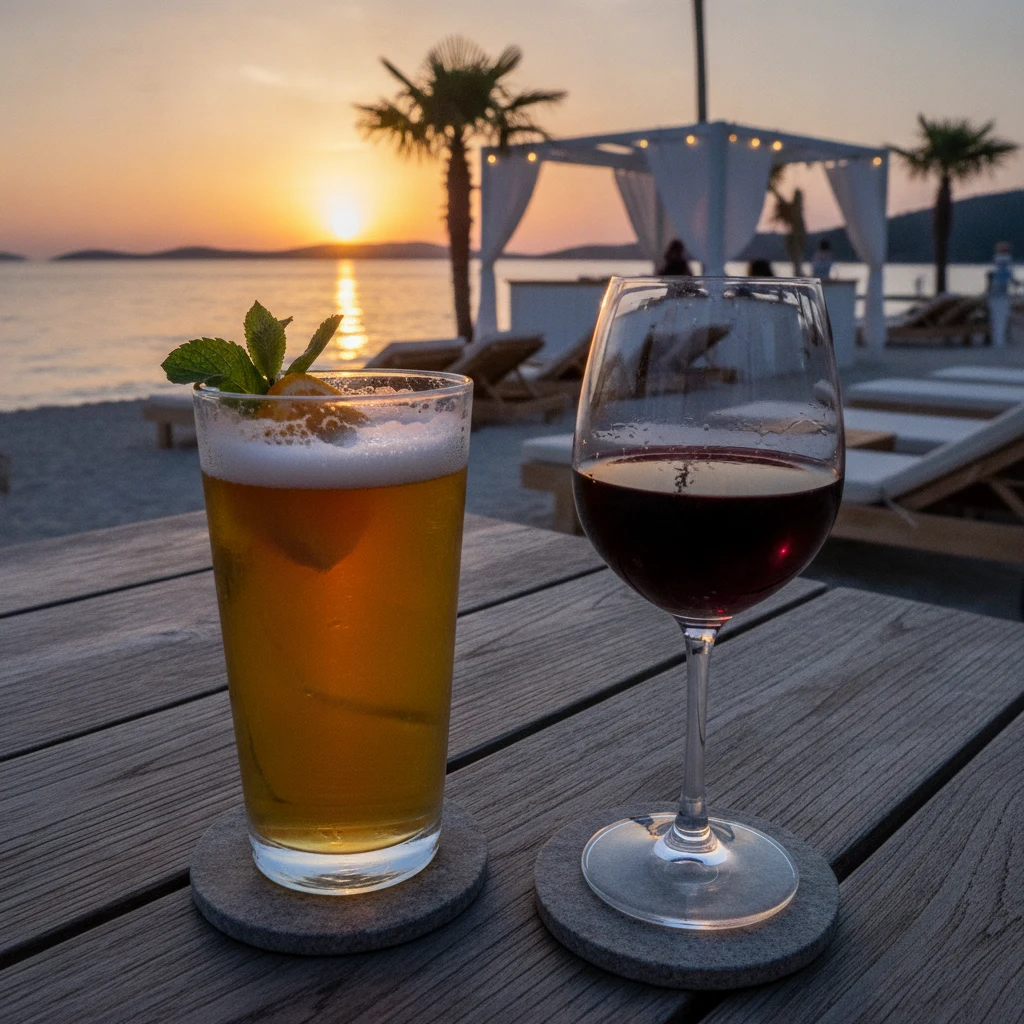
Comprehensive Price Breakdown & Comparison Table 2026
| Item | Low Season Price (€) | High Season Price (€) |
|---|---|---|
| Local Beer (0.5L) | 2.50 | 5.00 |
| Imported Beer (0.5L) | 3.00 | 6.00 |
| House Wine (glass) | 2.00 | 5.00 |
| Quality Croatian Wine (bottle) | 10.00 | 30.00 |
| Cocktails (standard) | 6.00 | 12.00 |
| Craft Cocktails | 10.00 | 18.00 |
Regional Price Variations (Islands vs Coastal vs Inland)
Prices for drinks can vary widely across different regions of Croatia. Coastal areas, especially popular islands like Hvar and Korčula, often have higher prices due to their tourist appeal. In contrast, inland areas such as Slavonia or the Istrian peninsula may offer more budget-friendly options.
- Hvar: Known for its vibrant nightlife, expect to pay premium prices for cocktails and imported beers.
- Korčula: Offers a mix of local wines and beers at reasonable prices, especially in local taverns.
- Dubrovnik: High-end bars and restaurants can charge significantly more, particularly in the Old Town.
- Split: A good balance of prices, with many affordable options available near the waterfront.
- Rovinj: Similar to Split, with a variety of choices from budget to luxury.
Insider Money-Saving Tips & Tourist Traps to Avoid
To make the most of your budget while enjoying drinks in Croatia, consider the following tips:
- Look for 'Marenda': Many local restaurants offer lunch specials that include drinks at a discounted rate.
- Grocery Shopping: Buy local beers and wines at supermarkets or local markets for a fraction of the price compared to bars.
- Avoid Dynamic Currency Conversion: Always choose to pay in Euros to avoid unfavorable exchange rates at ATMs and card terminals.
- Check for Tipping Etiquette: While tipping is appreciated, rounding up your bill is often sufficient in casual settings.
Payment Rules, Card Acceptance & Fiscal Receipts
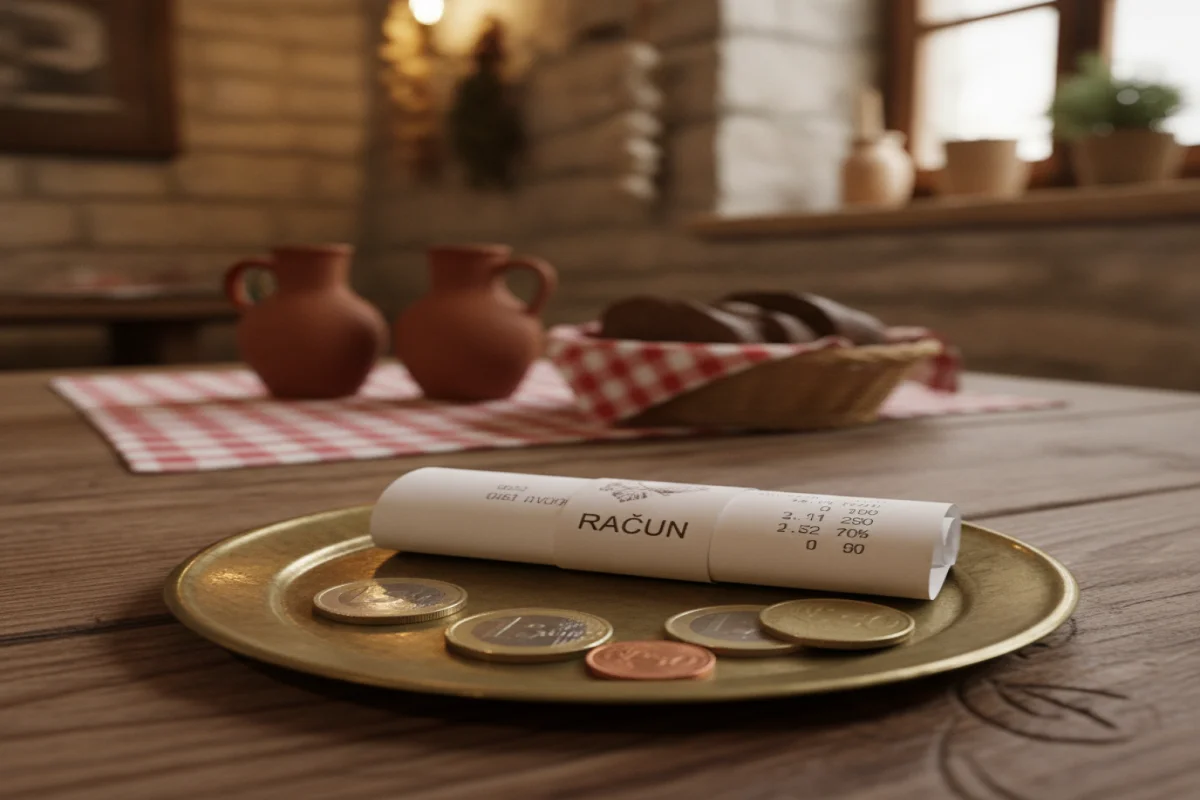
In Croatia, it is essential to understand the fiscal regulations regarding payments. According to Croatian law, businesses are required to provide a fiscal receipt ('Fiskalni račun') for all transactions. Always ask for a receipt, as this can be important for warranty claims or in case of disputes.
While credit cards are widely accepted, especially in urban and tourist areas, it’s wise to carry some cash, particularly in smaller towns or when visiting local markets. Some bars and restaurants may have a minimum spending limit for card payments.